
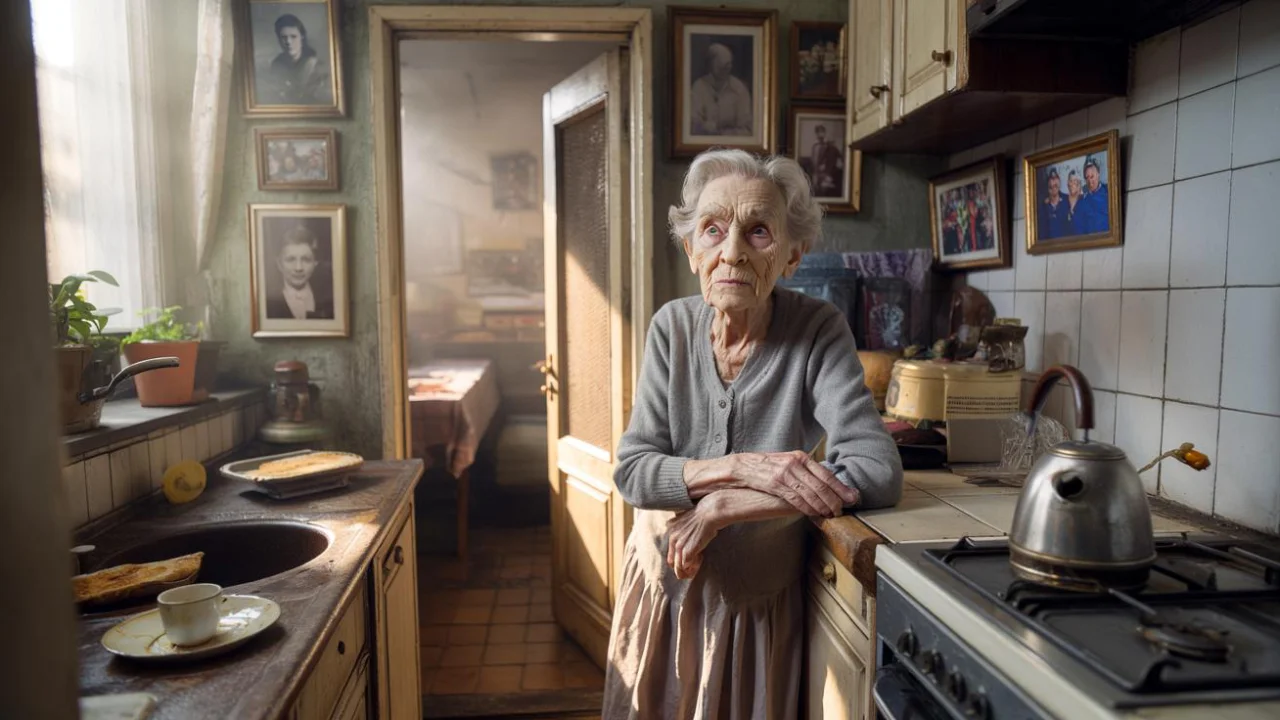
At 6:30 every morning, Margaret sits at her kitchen table with a steaming cup of tea and a piece of buttered toast. She’s 103 years old, lives alone in the same house she bought sixty years ago, and has no intention of leaving. When her granddaughter suggests assisted living, Margaret laughs and changes the subject.
“I’ve got my garden, my books, and my own bed,” she says. “Why would I want to live anywhere else?” Her story isn’t unique anymore. Around the world, centenarians are choosing independence over safety, sparking heated debates about what we owe our elders and what they owe us.
The longevity secrets centenarian communities reveal go far beyond diet and exercise. They’re forcing families everywhere to confront uncomfortable questions about dignity, freedom, and the true price of living too long.
When 100 Becomes the New Normal
Marie’s story started as a local news segment but exploded into a global phenomenon. At 101, she refuses to leave her third-floor apartment despite her daughter’s pleas and her doctor’s concerns. Her daily routine seems simple: morning tea, tending to her plants, chatting with neighbors, and preparing her own meals.
“I’m old, not packed away,” she declares in the viral video that’s been shared millions of times. But behind her defiant words lies a deeper truth about modern longevity.
The number of centenarians worldwide has skyrocketed. Japan leads with over 90,000 people aged 100 or older. The United States follows with approximately 80,000, while European countries see their centenarian populations doubling every decade.
Dr. Sarah Chen, a geriatrician in Boston, explains the shift: “We’ve gotten incredibly good at keeping people alive. The question we’re still figuring out is how to help them live well while they’re alive.”
The Real Longevity Secrets Behind Centenarian Independence
What makes someone like Marie thrive at 101? Research into longevity secrets centenarian populations share reveals patterns that go beyond genetics or luck.
| Longevity Factor | Description | Real-World Impact |
|---|---|---|
| Social Connections | Regular interaction with neighbors and community | Reduces isolation and depression by 40% |
| Purpose and Autonomy | Making own decisions about daily activities | Increases mental sharpness and life satisfaction |
| Familiar Environment | Living in known, comfortable surroundings | Reduces stress and anxiety significantly |
| Physical Activity | Daily movement, even if limited | Maintains mobility and cognitive function |
The centenarians who thrive independently share several key characteristics:
- They maintain control over their daily schedules and decisions
- They stay connected to their communities rather than isolated
- They continue engaging in activities that give them purpose
- They adapt their living spaces to their needs rather than moving
- They accept help selectively while maintaining overall independence
“Independence isn’t about doing everything yourself,” notes Dr. Maria Rodriguez, who studies aging in place. “It’s about having the power to choose what kind of help you accept and when.”
The Family Dilemma Nobody Talks About
Marie’s daughter Léa represents millions of adult children caught in an impossible position. She watches her mother struggle with simple tasks, worries about falls and emergencies, and carries the weight of knowing she might find her mother in crisis.
The emotional toll on families caring for defiant centenarians is enormous. Studies show that 60% of adult children caring for aging parents experience significant stress, depression, or anxiety. Many quit jobs, postpone retirement, or sacrifice their own health.
“It’s not just about one person’s choice anymore,” explains family therapist Dr. James Wright. “When a 101-year-old insists on living alone, the entire family system adjusts around that decision. Sometimes it works beautifully. Sometimes it doesn’t.”
The financial reality adds another layer of complexity. Home care for a centenarian can cost $4,000 to $8,000 monthly, while care homes range from $3,000 to $12,000 depending on location and services. Many families find themselves choosing between financial security and respecting their elder’s wishes.
What Science Says About Living Too Long
The longevity secrets centenarian research reveals aren’t always encouraging. While some 100-year-olds remain sharp and independent, others face what researchers call “the longevity penalty” – years of cognitive decline, physical frailty, and social isolation.
Current data shows troubling trends:
- Only 15% of centenarians maintain full independence
- 40% require intensive daily care and supervision
- 25% live with moderate to severe cognitive impairment
- The average centenarian spends their last 3-5 years with significant health limitations
“We’ve created a situation where people can live incredibly long lives, but we haven’t figured out how to make those extra years meaningful,” observes biogerontologist Dr. Linda Park.
The debate around Marie’s story reflects deeper questions about quality versus quantity of life. Some argue that preserving autonomy at any cost honors human dignity. Others contend that stubborn independence can become a burden on families and healthcare systems.
The Global Impact of Defiant Aging
Marie’s story resonates worldwide because it represents a fundamental shift in how societies handle aging. Countries with rapidly growing centenarian populations face infrastructure challenges, healthcare costs, and cultural tensions between traditional family care and modern independence.
In Japan, where multi-generational households were once standard, increasing numbers of elderly choose to age alone. Italy’s “super-ager” villages adapt by creating community support networks that allow independence while providing safety nets.
The United States sees similar patterns, with 90% of seniors expressing desire to remain in their homes as they age. This “aging in place” movement has sparked innovation in home monitoring technology, community care programs, and adaptive home modifications.
Dr. Angela Thompson, who researches aging policy, notes: “We’re witnessing the first generation that expects to maintain control over their living situation well into their hundreds. That’s unprecedented in human history.”
Finding Middle Ground in the Longevity Debate
Not every centenarian needs to choose between complete independence and institutional care. Creative solutions are emerging that honor both autonomy and safety.
Some families arrange “graduated independence” – allowing elderly relatives to maintain their homes while gradually introducing support services. Others create “intentional communities” where centenarians live near but not with family members.
Technology plays an increasingly important role. Smart home systems can monitor daily routines without intruding on privacy. Medical alert devices provide emergency response while preserving independence. Telehealth services bring medical care to the patient rather than requiring travel.
The key seems to be starting conversations about aging preferences early, before crises force difficult decisions. Families who discuss expectations, fears, and resources while everyone is healthy tend to navigate centenarian independence more successfully.
FAQs
What are the main longevity secrets that help centenarians live independently?
The key factors include maintaining social connections, having purpose and autonomy, staying in familiar environments, engaging in daily physical activity, and accepting help selectively while keeping overall control.
How many centenarians actually live independently?
Only about 15% of people over 100 maintain full independence. The majority require some level of assistance with daily activities or medical care.
What does it cost to support an independent centenarian at home?
Home care services typically cost $4,000-$8,000 monthly, depending on the level of support needed. This can be more expensive than many care home options.
Is it selfish for centenarians to refuse care homes?
This depends on individual circumstances. When elderly people can manage safely with appropriate support, maintaining independence often benefits their mental and physical health. However, unrealistic expectations can burden families unfairly.
How can families support centenarian independence while ensuring safety?
The best approach involves open communication, gradual introduction of support services, use of monitoring technology, and creating safety nets that don’t eliminate autonomy.
What should someone consider when planning for extreme longevity?
Key considerations include financial resources for extended care, family support systems, housing modifications for aging in place, advance directives for medical decisions, and realistic expectations about independence capabilities.


