
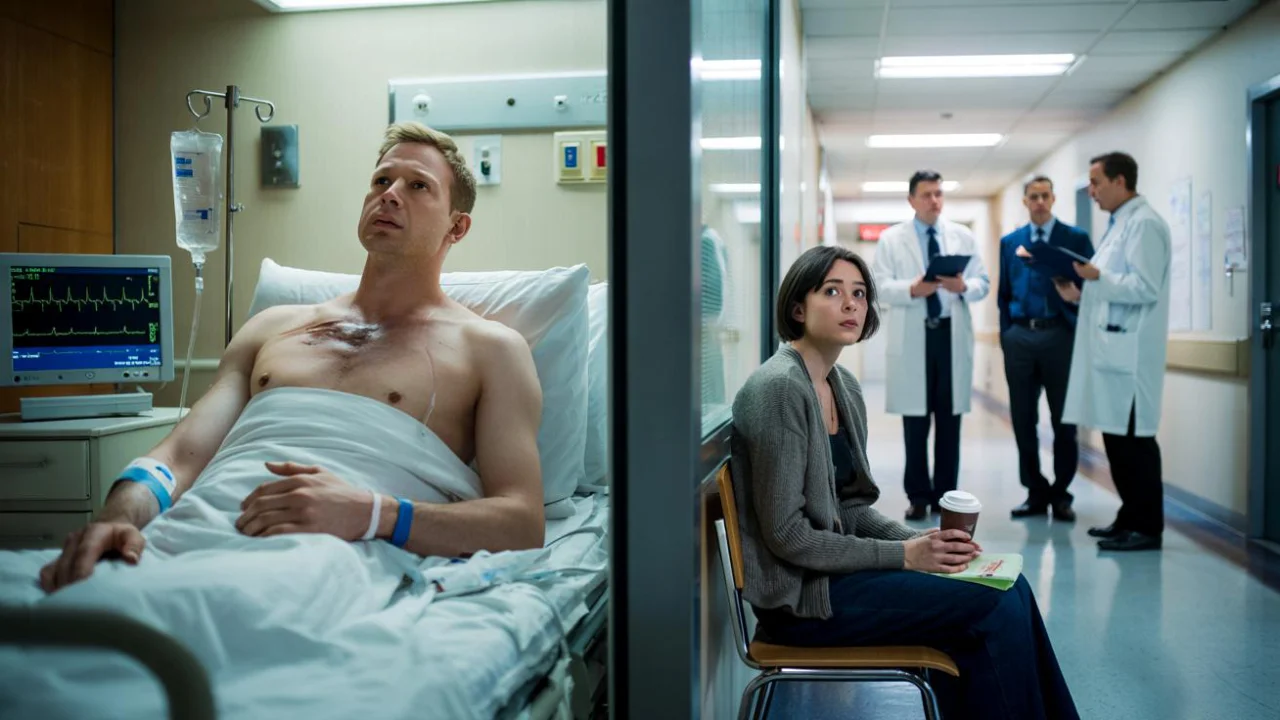
Sarah Chen never expected to become an expert on heart transplant protocols. Three months ago, she was a kindergarten teacher worrying about craft supplies and lunch allergies. Today, she’s sitting in a hospital conference room, listening to doctors explain why her 28-year-old brother won’t receive the heart transplant that could save his life.
Born with hypoplastic left heart syndrome, Michael has never smoked, rarely drinks, and runs marathons despite his condition. Yet last week, the transplant committee delivered devastating news: his case had been reclassified as “low priority” due to what they termed “lifestyle risk factors.” The decision feels incomprehensible to his family, but it’s becoming an increasingly common reality across transplant centers nationwide.
Stories like Michael’s highlight a troubling trend in organ allocation – cases where heart transplant denial appears to contradict medical logic, leaving patients and families grappling with decisions that feel more like moral judgments than medical assessments.
How Transplant Committees Really Make Life-and-Death Decisions
The organ allocation process isn’t the straightforward medical decision most people imagine. Behind closed doors, transplant committees weigh dozens of factors that extend far beyond immediate medical need. Dr. Rebecca Martinez, a transplant coordinator with fifteen years of experience, explains the reality: “Every decision involves balancing medical urgency, likelihood of success, and resource allocation. It’s never just about who needs it most.”
The scoring system used by most transplant centers assigns numerical values to everything from blood type compatibility to perceived “compliance risk.” Patients receive points for medical severity, but they can lose points for factors that committees believe might compromise long-term success.
What many patients don’t realize is how broadly these “lifestyle factors” can be interpreted. A history of missed appointments, mental health struggles, or even socioeconomic instability can impact scoring. Sometimes, the reasons for heart transplant denial have little to do with the patient’s actual health status or personal choices.
“The system assumes that past behavior predicts future compliance,” notes Dr. James Patterson, a cardiac surgeon who has advocated for transplant policy reform. “But this approach can penalize patients for circumstances beyond their control, creating ethical dilemmas that committees struggle to resolve fairly.”
Breaking Down the Numbers Behind Transplant Decisions
Understanding heart transplant denial requires looking at the stark mathematics of organ scarcity. The numbers paint a sobering picture of a system under enormous pressure.
| Transplant Statistics (2023) | Number |
|---|---|
| People on heart transplant waiting list | 3,800 |
| Heart transplants performed annually | 2,100 |
| Average wait time | 6-12 months |
| Patients who die waiting | 450-500 per year |
| 5-year survival rate | 73% |
These statistics reveal why transplant committees feel pressure to make decisions that maximize each organ’s potential impact. With nearly twice as many people waiting as hearts available, every allocation decision carries weight.
Key factors that influence transplant approval include:
- Medical urgency and likelihood of survival without transplant
- Predicted post-transplant survival rates
- Geographic location and blood type compatibility
- Ability to comply with complex post-transplant care regimens
- Presence of other medical conditions that might complicate recovery
- Access to long-term medical care and support systems
The challenge lies in how subjectively some of these factors can be assessed. What one committee views as a “compliance risk,” another might see as a manageable challenge with proper support.
When Medical Decisions Become Moral Judgments
The most controversial aspect of heart transplant denial involves cases where medical necessity seems clear, but other factors influence the decision. These situations often expose uncomfortable truths about how society values different lives.
Take the case of Maria Rodriguez, a 34-year-old teacher with cardiomyopathy. Despite never using tobacco or recreational drugs, her application was initially flagged because of a brief period of depression following her diagnosis. The committee worried about her “psychological readiness” for transplant, even though her mental health had stabilized with treatment.
“We see patterns where certain types of patients face more scrutiny,” observes Dr. Patricia Williams, a bioethics specialist who studies transplant allocation. “Young professionals with strong family support often navigate the system more smoothly than patients dealing with poverty, mental illness, or complex social situations.”
The impact extends beyond individual cases. Families watching their loved ones decline while seemingly “less deserving” patients receive transplants often lose faith in the system entirely. Social media amplifies these stories, creating public pressure that can influence future decisions in unpredictable ways.
Some transplant centers have begun implementing more structured approaches to reduce bias, including blind review processes and standardized criteria. However, the fundamental tension between medical objectivity and subjective judgment remains difficult to resolve.
The Hidden Costs of Getting It Wrong
Heart transplant denial doesn’t just affect individual patients – it creates ripple effects throughout the healthcare system and society. When potentially viable candidates are passed over, the consequences extend far beyond the hospital walls.
From a purely economic perspective, the calculations are staggering. End-stage heart failure patients who don’t receive transplants often require intensive medical intervention costing hundreds of thousands of dollars over their remaining months of life. Meanwhile, successful transplant recipients typically return to productive lives, contributing to society for decades.
“Every denied transplant that might have succeeded represents a loss of human potential we can’t calculate,” explains Dr. Martinez. “We’re not just talking about medical outcomes, but about careers, families, and contributions to society that will never happen.”
The psychological impact on families shouldn’t be underestimated either. Children watching parents decline, spouses becoming caregivers, and siblings grappling with survivor’s guilt – these human costs rarely appear in medical literature but profoundly affect communities.
Perhaps most troubling are the systemic effects. When heart transplant denial appears arbitrary or unfair, it undermines public trust in organ donation programs. Fewer registered donors means fewer available organs, creating a vicious cycle that ultimately harms all patients waiting for life-saving transplants.
FAQs
What are the main reasons for heart transplant denial?
Medical reasons include poor overall health, active infections, or conditions that would prevent successful recovery. Non-medical factors can include concerns about treatment compliance, lack of family support, or substance use history.
Can patients appeal a heart transplant denial decision?
Yes, most transplant centers have formal appeal processes. Patients can request second opinions, provide additional documentation, or address specific concerns raised by the committee.
How long do patients typically wait for heart transplants?
Wait times vary greatly based on blood type, body size, and medical urgency, but average 6-12 months. Some patients wait years, while others in critical condition may receive organs within days.
Do transplant committees consider age when making decisions?
Age is a factor, but not an automatic disqualifier. Many centers successfully transplant hearts into patients in their 60s and 70s, focusing more on overall health and life expectancy than chronological age.
What happens to patients denied heart transplants?
Options include seeking evaluation at other transplant centers, pursuing mechanical heart devices, or focusing on palliative care to maximize quality of life with advanced heart failure medications.
Are there alternatives to traditional heart transplants for denied patients?
Yes, including ventricular assist devices (artificial hearts), experimental treatments, or in rare cases, organs from genetically modified animals, though these options remain limited and often experimental.


