
Margaret sits in her kitchen at 6 AM, coffee growing cold as she stares at her pension statement. At 58, the high school teacher thought she had it figured out—retire at 62, maybe travel a bit, spend time with the grandkids. But the letter in her hands tells a different story. The retirement pension threshold has shifted again, and her “full benefits” now start at 67.
Down the street, her neighbor Jake, 28, doesn’t even open his pension mail anymore. “What’s the point?” he shrugs, heading off to his gig economy job. “By the time I’m old enough, they’ll probably make us work until we’re 75.”
This December morning scene plays out in millions of homes across the country, where families grapple with a system that seems to change the rules faster than people can adapt to them.
When numbers become personal battles
The retirement pension threshold isn’t just policy jargon—it’s the age that determines when you can stop working and still pay your bills. But in 2025, that threshold has become a moving target that’s splitting society into camps.
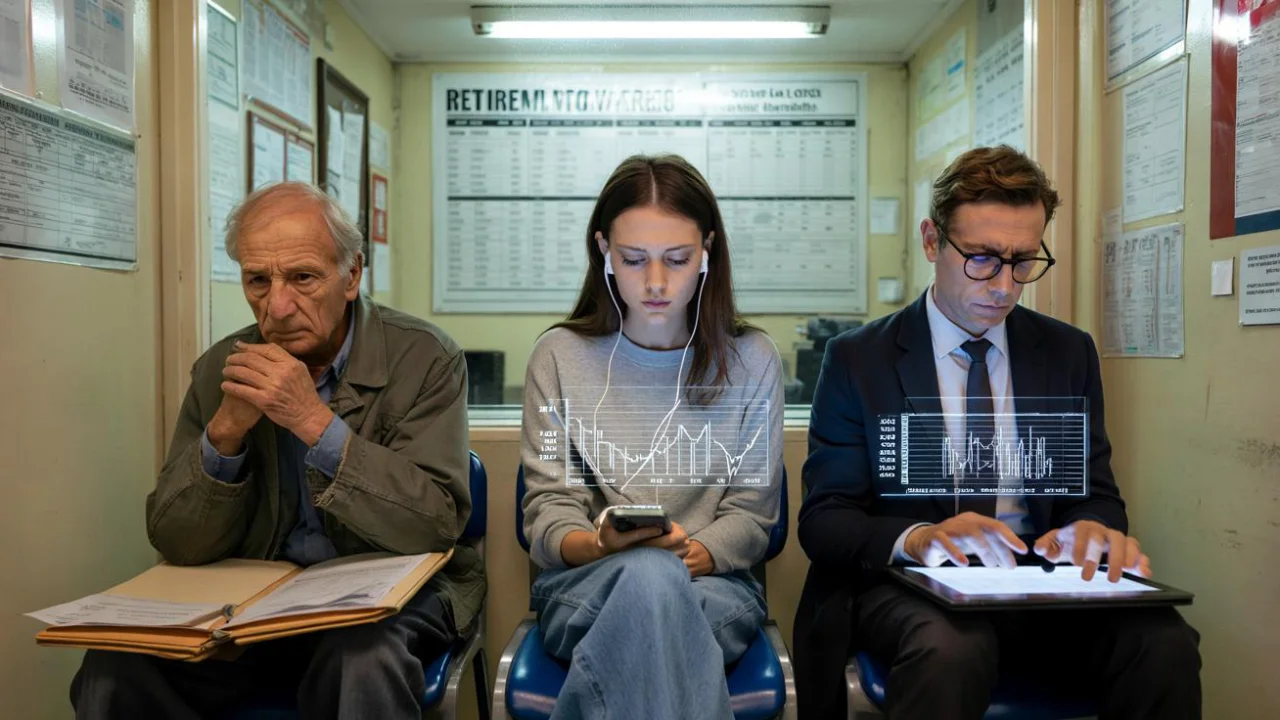
“We’re seeing three distinct groups emerge,” explains pension analyst Dr. Sarah Chen. “Those who made it under the old system, those caught in transition, and those who’ve lost faith in the system entirely.”
The current debate centers around what experts call the “ideal threshold”—the age that balances financial sustainability with social fairness. Politicians argue for 67, younger workers push for 62, and economists suggest different ages for different careers.
Here’s where it gets complicated: there’s no single retirement pension threshold anymore. Your ideal age depends on when you were born, what job you do, how much you’ve saved, and even your health.
The numbers that divide us
Let’s break down who wants what and why the retirement pension threshold has become such a battleground:
| Age Group | Preferred Threshold | Main Concern |
|---|---|---|
| 50-65 years old | 62-64 years | Physical ability to work longer |
| 35-50 years old | 65-67 years | System sustainability vs. personal planning |
| Under 35 years old | Varies widely | Doubt the system will exist at all |
- Baby Boomers: Many retired under previous thresholds and worry about changes affecting their benefits
- Generation X: Caught between old promises and new realities, facing the biggest adjustments
- Millennials: Planning for multiple career changes and expecting to work longer
- Gen Z: Assuming traditional pensions won’t exist and building alternative strategies
“The threshold debate isn’t really about age,” notes retirement counselor Mark Rodriguez. “It’s about trust. Each generation has a different relationship with the promise of retirement.”
The current system creates some stark contrasts. A teacher who started working in 1985 could retire with full benefits at 62. Her colleague who started in 2000 needs to wait until 67 for the same benefit level.
Political promises meet economic reality
Politicians face an impossible balancing act with the retirement pension threshold. Push it too high, and older voters revolt. Keep it too low, and the system goes broke.
“Every politician wants to be the one who ‘saves’ retirement,” says policy researcher Dr. Linda Park. “But the math doesn’t care about election cycles.”
The numbers tell a tough story:
- People are living longer—about 5 years more than when current pension systems were designed
- Birth rates are dropping, meaning fewer workers supporting each retiree
- Healthcare costs in retirement are skyrocketing
- Traditional employer pensions have largely disappeared
Republicans generally push for higher thresholds and private accounts. Democrats prefer protecting current benefits while finding other revenue sources. Both sides agree something has to change, but that’s where agreement ends.
“We’re having the wrong conversation,” argues economist Dr. Patricia Williams. “Instead of arguing about the perfect age, we should be talking about flexible thresholds based on individual circumstances.”
Real families, real consequences
Behind every retirement pension threshold debate are real people trying to plan their lives. The Rodriguez family in Phoenix shows how these policy fights play out at ground level.
Carlos, 61, works construction. His body is wearing out, but he needs three more years to hit the new threshold for full benefits. “I can barely lift a hammer some days,” he says. “But what choice do I have?”
His wife Maria, a nurse, loves her job but worries about working into her late 60s. “I see what happens to older nurses,” she explains. “The night shifts get harder every year.”
Their daughter Jessica, 33, has stopped counting on Social Security entirely. She’s maxing out her 401k and looking into real estate investments. “I assume I’ll work until I die,” she says matter-of-factly.
This generational divide shows up in the data too. Surveys reveal that 78% of current retirees believe the system will be there for their children. Only 31% of workers under 40 agree.
The consequences ripple through families in unexpected ways. Some older adults delay retirement to help adult children with housing costs. Others retire early to provide childcare, then struggle financially.
“The retirement pension threshold isn’t just about when you stop working,” observes family finance advisor Janet Kim. “It affects when you buy a house, when you have kids, whether you help aging parents. It’s connected to everything.”
December 2025 feels like a turning point. With a new administration taking office and economic pressures mounting, the retirement pension threshold debate is heating up again. Whatever changes come next will affect millions of families already struggling to adapt to a system that keeps shifting beneath their feet.
FAQs
What is the current retirement pension threshold?
It varies by birth year and program, but for Social Security, full retirement age ranges from 65 to 67 depending on when you were born.
Can I retire before the official threshold?
Yes, but you’ll typically receive reduced benefits if you claim before your full retirement age.
Why do different generations have different thresholds?
Congress has gradually raised the retirement age to address funding challenges as life expectancy increased and birth rates declined.
Will the retirement pension threshold keep rising?
That depends on future political decisions and economic conditions, but many experts expect further increases.
How can I plan if the threshold keeps changing?
Focus on building multiple income sources for retirement and stay flexible with your timeline rather than counting on any specific age.
Do other countries have better retirement threshold policies?
Many developed nations face similar challenges, though some offer more flexible approaches based on career type or allow gradual retirement transitions.


