
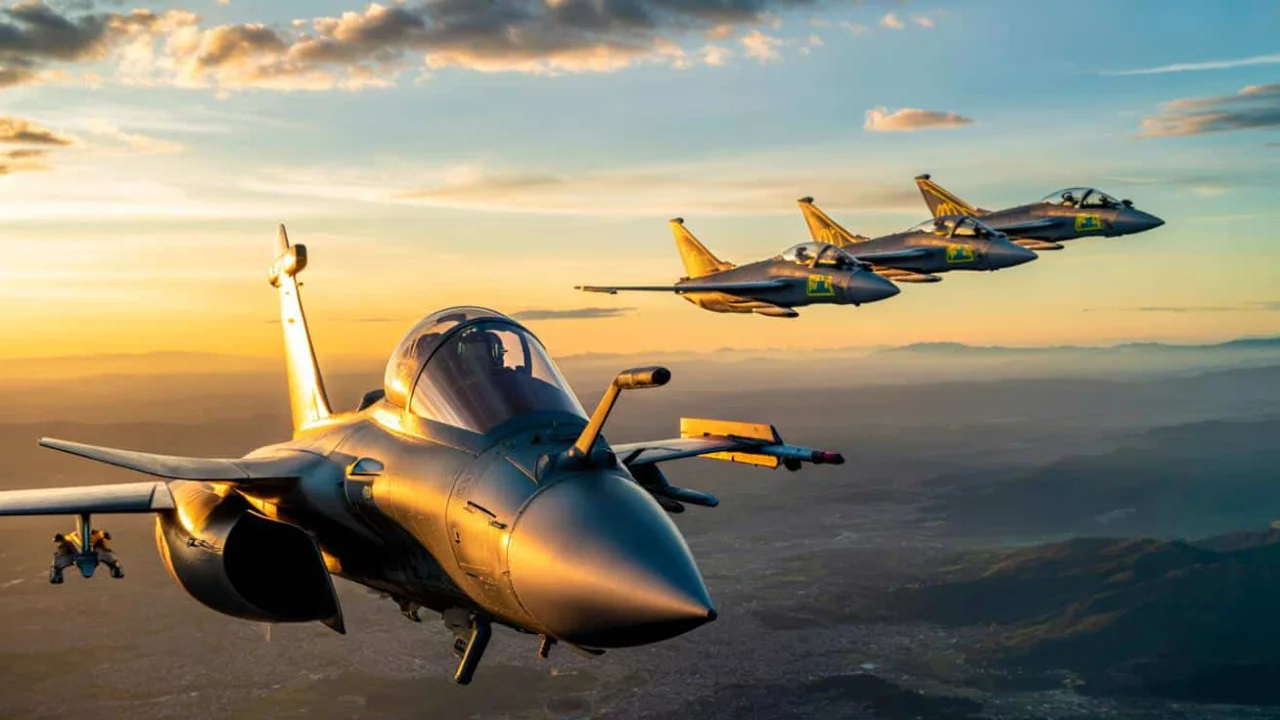
Picture this: you’re a French defense contractor sitting in a boardroom in Paris three years ago, champagne glasses ready, convinced you’re about to close the biggest fighter jet deal in Latin America this decade. Your Rafale has been combat-tested, your price is competitive, and Colombia seems interested. Fast forward to today, and you’re watching €3.2 billion slip through your fingers to Sweden’s Gripen jets.
That’s exactly what happened to Dassault Aviation and France’s entire defense export strategy. Sometimes business feels personal, and losing a deal you thought was in the bag? That stings more than any corporate balance sheet can show.
This isn’t just about money changing hands. It’s about national prestige, industrial strategy, and how quickly international partnerships can shift when countries start thinking long-term instead of short-term.
When a Sure Thing Becomes a Complete Miss
Back in 2022, France’s Rafale fighter jet deal with Colombia looked like a done deal waiting for signatures. The French proposal came in at €2.96 billion for their proven Rafale aircraft, undercutting what everyone expected Sweden’s Gripen package would cost.
Defense analysts were calling it smart money. France had momentum with recent Rafale sales to Egypt, India, and the UAE. The aircraft had real combat experience, and Dassault Aviation was offering industrial partnerships that would help Colombia modernize its aging defense capabilities.
“The Rafale had everything going for it on paper,” says defense procurement specialist Maria Santos. “Combat-proven, cost-effective, and backed by a nation with serious industrial capacity.”
Colombia needed to replace fighter jets that had been flying since the 1980s – some Israeli-built aircraft pushing 40 years of service. For any air force, that’s ancient history in technological terms.
But then something shifted. Instead of taking the cheaper French offer, Colombia’s government announced they’d pay €3.2 billion for 16 Swedish Gripen jets. That’s €240 million more than the Rafale package, which left defense watchers scratching their heads.
Breaking Down the Numbers Behind the Deal
Let’s look at what Colombia actually chose and what they passed up:
| Aircraft | Country | Deal Value | Units | Cost per Unit |
|---|---|---|---|---|
| Rafale | France | €2.96 billion | 16 (estimated) | €185 million |
| Gripen E/F | Sweden | €3.2 billion | 16 | €200 million |
The key differences that likely influenced Colombia’s decision include:
- Technology transfer agreements – Sweden typically offers more extensive local production rights
- Operational independence – Gripen buyers often get more control over upgrades and modifications
- Industrial partnerships – Saab’s track record of involving partner nations in manufacturing
- Maintenance flexibility – Less dependency on the original manufacturer for ongoing support
- Political neutrality – Sweden’s non-aligned status appeals to some nations
“This wasn’t just about buying planes,” explains former air force procurement officer Carlos Rodriguez. “Colombia was buying into a long-term industrial relationship that could span decades.”
The Gripen deal includes significant technology transfer provisions, meaning Colombian engineers will learn to maintain, upgrade, and potentially even manufacture components locally. That’s the kind of capability-building that transforms a nation’s defense industrial base.
What This Means for France’s Defense Export Dreams
Losing the Colombian Rafale fighter jet deal hurts France on multiple levels. The immediate financial impact is obvious – €3.2 billion in lost revenue affects jobs, research funding, and future aircraft development programs.
But the strategic implications run deeper. Latin America represents a growing market for defense equipment, and countries like Colombia serve as showcase clients for other potential buyers in the region.
“When you lose a high-profile deal like this, it raises questions about your competitiveness,” notes defense industry analyst Jean-Pierre Dubois. “Other potential customers start wondering what they might be missing.”
France’s defense exports have been on a roll lately. The Rafale has found buyers across the Middle East, Asia, and Europe. This Colombian setback breaks that momentum at a crucial time when global defense spending is increasing.
The ripple effects could influence other ongoing competitions:
- Argentina is evaluating fighter options for its own fleet modernization
- Several Southeast Asian nations are considering Rafale versus Gripen
- Eastern European countries are diversifying their defense suppliers
For Colombia, the decision reflects a broader strategy of diversifying defense partnerships beyond traditional suppliers like the United States. The country has been gradually expanding its international relationships, and choosing Sweden’s Gripen fits that pattern.
“Colombia is basically saying they want more control over their defense capabilities,” explains regional security expert Ana Martinez. “That’s worth paying extra for if you’re thinking 30 years ahead instead of just the next budget cycle.”
The Swedish approach typically includes more extensive training programs, technology sharing, and industrial cooperation agreements. For a country like Colombia, that could mean developing domestic capabilities that reduce long-term dependence on foreign suppliers.
Meanwhile, France will need to reassess how it packages future Rafale fighter jet deals. The Colombian experience suggests that price alone isn’t enough when competitors offer greater industrial partnerships and operational autonomy.
This setback also highlights how defense procurement has evolved beyond simple aircraft purchases. Modern deals involve comprehensive packages covering training, maintenance, upgrades, and industrial cooperation that can span generations.
FAQs
Why did Colombia choose the more expensive Gripen over the Rafale?
Colombia likely prioritized long-term industrial benefits, technology transfer agreements, and operational independence over the initial purchase price difference.
How much money did France lose in this deal?
France missed out on a €3.2 billion contract, though their original Rafale proposal was valued at €2.96 billion.
Are the Rafale and Gripen similar aircraft?
Both are modern multirole fighters capable of air-to-air, air-to-ground, and reconnaissance missions, with comparable performance capabilities.
What aircraft is Colombia replacing?
Colombia is replacing decades-old Israeli-built fighter jets, some of which have been in service for over 40 years.
Could this affect other Rafale sales?
Potentially yes, as other countries in Latin America and beyond may reconsider their options when evaluating France’s competitiveness versus Sweden’s industrial partnership model.
When will Colombia receive its new Gripen fighters?
Delivery timelines haven’t been publicly detailed, but such deals typically involve multi-year delivery schedules starting 2-3 years after contract signing.


