
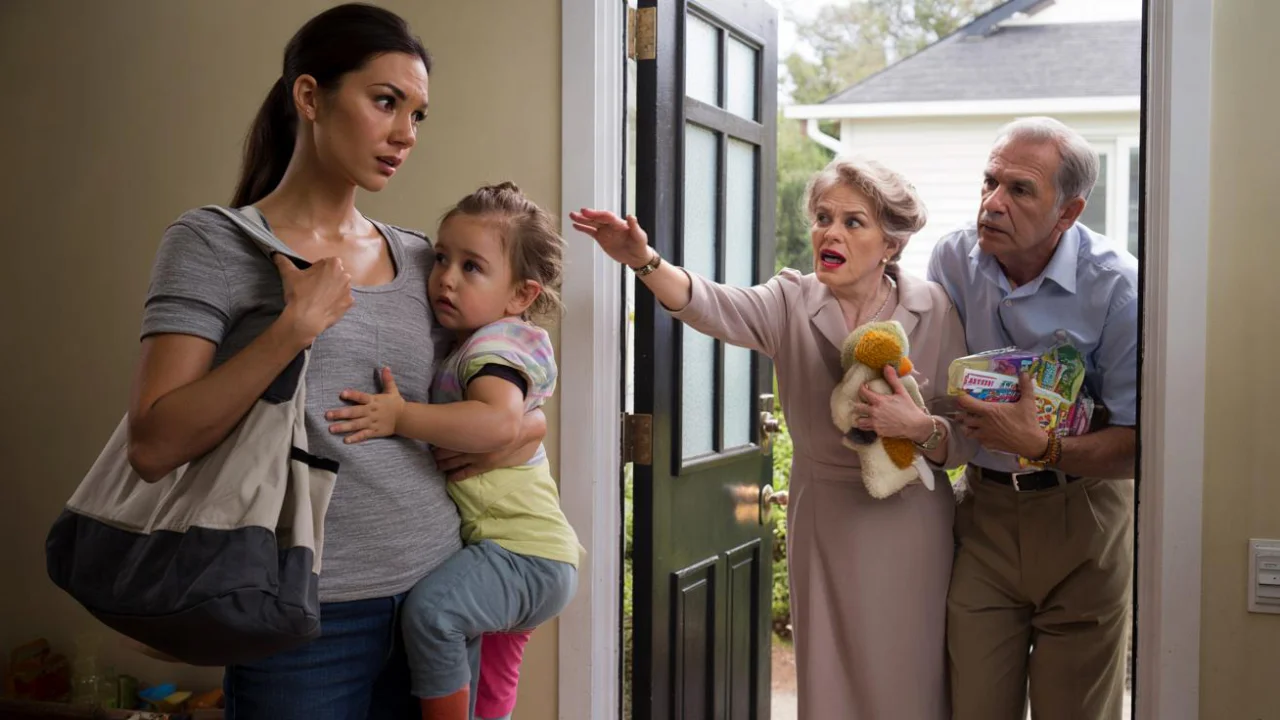
Sarah’s hands shake slightly as she watches her mother-in-law buckle three-year-old Emma into the car seat. The straps are loose—too loose—and when Sarah mentions it, she gets that look. The one that says, “I’ve raised four children successfully, thank you very much.” Sarah forces a smile and waves goodbye, but her stomach churns as the car pulls away.
Two hours later, her phone rings. Emma fell at the playground because she wasn’t being watched closely enough. Nothing serious, just scraped knees and tears, but Sarah’s heart pounds as she drives to pick up her daughter. This is the third “small incident” this month.
That night, Sarah makes a decision that will strain family relationships but save her sanity: no more grandparent babysitting.
The hidden costs of “free” family childcare
Grandparent babysitting seems like the perfect solution for busy parents. Your children get quality time with family, you save money on childcare, and everyone wins. Except when they don’t.
The reality is far more complicated than the hallmark card version. Many parents find themselves caught between gratitude and frustration, navigating power struggles that can damage both their parenting confidence and family relationships.
“I see parents in my practice who are genuinely distressed by grandparent babysitting situations,” explains Dr. Maria Rodriguez, a family therapist with 15 years of experience. “They feel guilty for setting boundaries with people who love their children, but they’re also watching their parenting decisions get undermined daily.”
The problems often start small. Grandparents might ignore naptime schedules, allow too much screen time, or feed children foods they’re not supposed to have. But these seemingly minor issues can create major disruptions at home.
The most common grandparent babysitting problems parents face
Research shows that nearly 60% of parents who use grandparent childcare experience regular conflicts about parenting decisions. Here are the issues that cause the most friction:
- Safety concerns – Outdated car seats, improper supervision, ignoring allergy protocols
- Discipline differences – Undermining time-outs, allowing behavior you’ve worked to correct
- Schedule disruptions – Skipping naps, irregular meal times, late bedtimes
- Dietary restrictions ignored – Giving sugar when forbidden, ignoring food allergies
- Technology boundaries crossed – Excessive screen time, inappropriate content
- Medical care conflicts – Not giving prescribed medications, questioning doctor’s orders
Child development expert Dr. James Chen notes, “Consistency is crucial for young children’s emotional security and behavioral development. When caregivers regularly contradict established routines, children can become confused and anxious.”
| Common Issues | Impact on Children | Impact on Parents |
|---|---|---|
| Inconsistent rules | Behavioral confusion, testing boundaries | Increased stress, power struggles at home |
| Safety protocol ignored | Physical risk, anxiety | Constant worry, loss of trust |
| Schedule disruption | Sleep problems, mood issues | Difficult evenings, weekend recovery time |
| Overindulgence | Entitlement attitudes, poor self-regulation | Undermined authority, increased tantrums |
Why grandparents struggle to follow modern parenting rules
It’s not that grandparents don’t love their grandchildren or want to cause problems. The issue runs deeper than simple stubbornness.
Many grandparents raised their children decades ago when parenting advice was different. Car seat safety, food allergy awareness, and screen time guidelines have all evolved significantly. What felt normal and safe 30 years ago might not meet today’s standards.
There’s also an emotional component. Grandparents often see their adult children’s parenting rules as implied criticism of how they raised their own kids. When you tell your mother that your toddler can’t have juice, she might hear “you were a bad parent for giving me juice.”
“Grandparents sometimes feel like they need to prove they’re still capable caregivers,” explains family counselor Lisa Thompson. “This can lead to them dismissing new safety information or parenting approaches because accepting them feels like admitting they did something wrong.”
The emotional toll on family relationships
The stress of grandparent babysitting conflicts extends far beyond childcare logistics. Parents report feeling guilty, anxious, and resentful. Children sense the tension and may act out or become confused about household rules.
Rachel, a working mother from Denver, describes her experience: “I was spending more time undoing what happened at grandma’s house than I was enjoying my time off. My son would come home wired from sugar and screen time, refusing to follow our bedtime routine because ‘grandma doesn’t make me do this.'”
The aftermath often includes:
- Hours spent re-establishing routines after grandparent visits
- Increased behavioral issues as children test inconsistent boundaries
- Family arguments that spill into other relationships
- Parents questioning their own parenting decisions
- Children playing adults against each other
When to draw the line and seek alternative childcare
Not every grandparent babysitting situation needs to end, but there are clear warning signs that it’s time to make a change.
Safety should always be the top priority. If grandparents consistently ignore car seat protocols, medication schedules, or allergy restrictions, the risk becomes too high to continue.
Behavioral psychologist Dr. Amanda Foster advises, “If you’re spending more time dealing with the aftermath of grandparent visits than you are benefiting from the childcare, it’s time to reevaluate.”
Other red flags include grandparents who refuse to discuss concerns, openly criticize your parenting in front of children, or make unilateral decisions about medical care or major activities.
The financial cost of professional childcare might seem daunting, but many parents find that the peace of mind and consistency are worth the expense. Quality daycare centers and licensed babysitters follow your guidelines because that’s literally their job—not a personal relationship complicated by family dynamics.
How to transition away from grandparent babysitting gracefully
Making this change requires careful communication and clear boundaries. Start by having an honest conversation about your concerns. Focus on specific behaviors rather than general complaints.
You might say, “We’ve decided to use daycare for regular childcare, but we’d love for you to have special grandparent time on weekends when you can focus on fun rather than following all our rules.”
This approach preserves the relationship while protecting your family’s needs. Grandparents can still be involved without the pressure of daily childcare responsibilities.
FAQs
How do I tell my parents I don’t want them babysitting anymore?
Focus on your family’s needs rather than their shortcomings. Explain that you’ve decided professional childcare works better for your routine, but emphasize that you still value their relationship with your children.
Will my children miss out on important family bonding time?
Not necessarily. Planned visits and activities often create better memories than rushed babysitting situations filled with tension and rule conflicts.
What if my parents get offended and reduce contact with my children?
This reaction, while painful, often reveals that the relationship was more about their needs than the children’s wellbeing. Most grandparents will adjust once they understand your position.
Is professional childcare really safer than family members?
Licensed childcare providers are trained in current safety protocols, first aid, and child development. They also follow your instructions because their job depends on it, not because of family politics.
How can I afford professional childcare if money is tight?
Look into subsidized programs, nanny shares with other families, or part-time daycare combined with other arrangements. The cost of consistency might be less than you think.
Should I feel guilty about this decision?
Prioritizing your children’s safety, routine, and your own mental health is good parenting, not selfishness. Trust your instincts about what works best for your family.


