
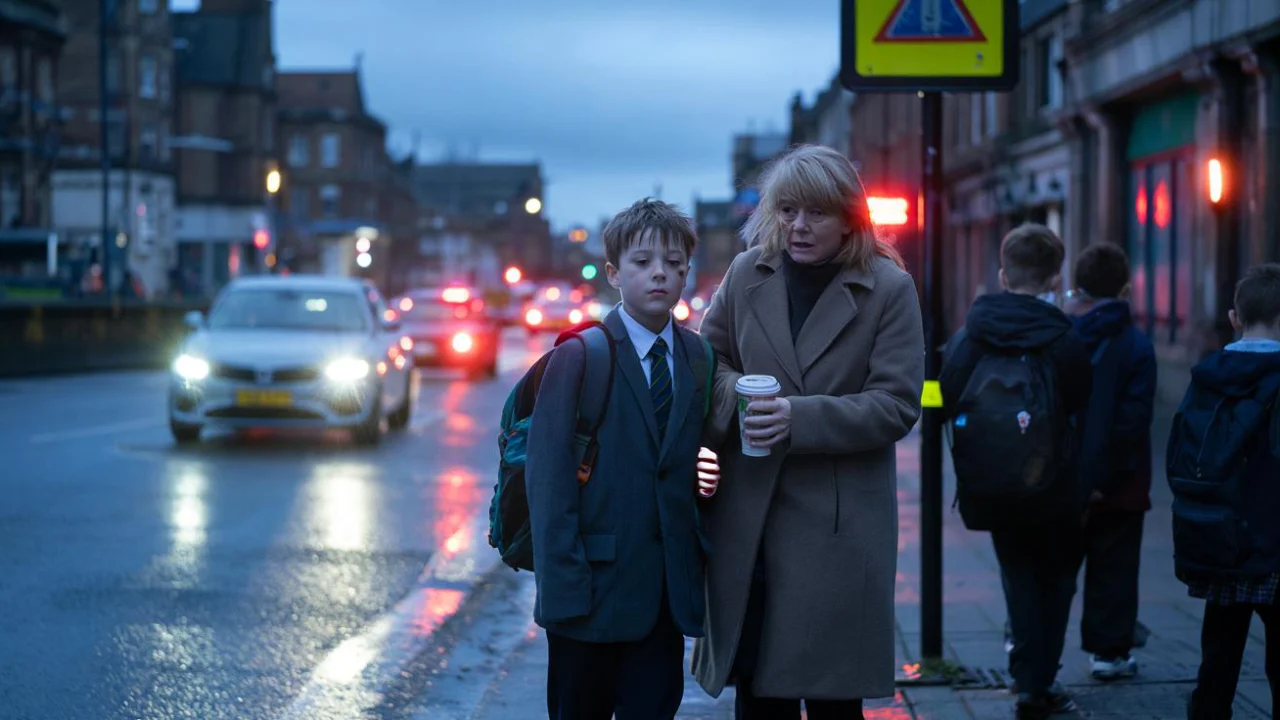
At 7:40am on a damp October morning in Manchester, Sarah Collins watches her 11-year-old son Jake zip up his hi-vis jacket before stepping into what looks like the middle of the night. Street lamps cast orange pools on wet pavement while car headlights sweep across the darkness. Jake’s school bag bounces as he hurries toward the crossing, and Sarah finds herself holding her breath until he reaches the other side safely.
“It’s like sending him out at midnight,” she mutters, clutching her coffee tighter. “This isn’t normal.”
But for millions of British families, this scene is becoming the new normal. Welcome to Britain’s most unexpected battleground: the clock change wars.
The Clock Change Revolution That Nobody Asked For
For decades, Britain’s clock change routine felt predictable. Spring forward, fall back, lose an hour of sleep, gain an extra hour in bed. People grumbled for a day or two, then forgot about it until the next time.
That comfortable predictability is about to shatter. Starting in 2026, the UK plans to shift its time changes earlier in the year, aligning more closely with European trading schedules and aviation timetables. The result? Darker school runs, earlier sunsets, and families thrust into pitch-black mornings just when winter starts to bite.
“We’re not talking about a minor tweak here,” explains Dr. Emma Richardson, a circadian rhythm researcher at Edinburgh University. “This fundamentally changes how British families experience winter mornings. Children’s bodies aren’t designed to wake up in complete darkness for months on end.”
The change transforms sunrise and sunset from casual weather chat into serious politics. Parents across the country are discovering that something as seemingly simple as clock hands can reshape their entire daily routine.
The Real-World Impact: Who Wins and Who Loses
The divide cuts cleanly across British society, creating unlikely allies and surprising opponents:
- Parents and teachers: Worried about children’s safety and sleep patterns
- Business leaders: Pushing for alignment with European markets
- Tourism industry: Wanting brighter evenings to boost visitor spending
- Health professionals: Concerned about mental health impacts
- Transport operators: Facing increased accident risks on dark mornings
The evidence tells a stark story. Road traffic accidents involving children spike by 23% during the first week after clocks go back, according to Department for Transport data. Schools report higher absence rates and more playground accidents during dark morning periods.
| Issue | Current System | 2026 Changes |
|---|---|---|
| School run darkness | 6-8 weeks | 12-14 weeks |
| Child accident risk | +15% dark mornings | +35% dark mornings |
| Sleep disruption | 3-5 days | 7-10 days |
| Business trading hours | 1-2 hours misalignment | Perfect alignment |
“The human cost is real,” says Dr. Michael Barnes, a sleep specialist at Guy’s Hospital. “We’re asking children to function normally when their biological clocks are screaming that it’s still nighttime.”
The Unexpected Politics of Sunrise
What started as a technical adjustment has exploded into a full-blown cultural war. Facebook groups with names like “Bright Mornings for British Kids” now have thousands of members sharing photos of children waiting at bus stops in complete darkness.
Last winter in Glasgow, a viral video showed primary school children crossing a busy road in pitch-black conditions. Within 48 hours, it had been viewed 200,000 times and sparked angry debates in the Scottish Parliament.
Meanwhile, business groups argue that economic benefits outweigh temporary inconvenience. “Staying aligned with European time zones could boost GDP by £3-5 billion annually,” claims James Morrison from the British Chambers of Commerce. “That’s money that funds schools, hospitals, and infrastructure.”
The tourism industry sees opportunity in brighter evenings. Restaurants, pubs, and attractions report significantly higher revenues when daylight extends later into the evening. For struggling high streets, that extra hour of natural light could mean survival.
What Parents Are Really Saying
But walk through any school gate on a dark morning and you’ll hear a different conversation. Parents aren’t discussing GDP figures or European trading hours. They’re talking about tired children, dangerous crossings, and the mental health impact of months without morning sunshine.
“My daughter used to bounce out of bed,” says Lisa Thompson from Birmingham. “Now I’m dragging her out of what feels like hibernation. She’s grumpy, she’s tired, and frankly, so am I.”
Sleep researchers back up these concerns. Children’s circadian rhythms are particularly sensitive to light patterns. Extended periods of dark mornings can trigger increased rates of depression, anxiety, and attention problems in young people.
The knock-on effects ripple through entire families. Parents report taking more time off work to deal with tired, uncooperative children. Teachers struggle with classrooms full of drowsy pupils. Emergency services see spikes in minor accidents and mental health calls during the darkest weeks.
The Safety Question Nobody Wants to Answer
Perhaps the most uncomfortable aspect of this debate centers on child safety. Transport analysts have quietly warned government departments that extending dark morning periods could lead to more serious accidents.
Current data shows a clear pattern: child pedestrian casualties increase by 25% during weeks when school runs happen in darkness. Extending that period from two months to potentially four months would inevitably mean more injured children.
“We’re essentially conducting a nationwide experiment with child safety,” warns Road Safety charity spokesperson Amanda Clarke. “The potential economic benefits need to be weighed against very real human costs.”
Yet business leaders maintain that economic growth ultimately benefits everyone, including children and families. Better-funded public services, improved infrastructure, and stronger job markets create safer, healthier communities in the long term.
FAQs
When exactly will the 2026 clock changes happen?
The government plans to move both spring and autumn changes approximately two weeks earlier than current dates to align with major European economies.
Will children really be walking to school in complete darkness?
In northern England and Scotland, yes. Some areas could see up to 14 weeks of completely dark school runs between November and February.
What about street lighting and safety measures?
Local authorities are reviewing lighting infrastructure, but many councils face budget constraints that limit major improvements.
Can parents petition to stop these changes?
Several online petitions are already circulating, though government policy appears largely driven by economic and international trade considerations.
How do other European countries handle this issue?
Most maintain consistent alignment with Central European Time, but several Nordic countries have debated similar concerns about child welfare during dark periods.
Will schools adjust their start times?
Some schools are considering later start times during the darkest months, though this creates complications for working parents and transport schedules.


