
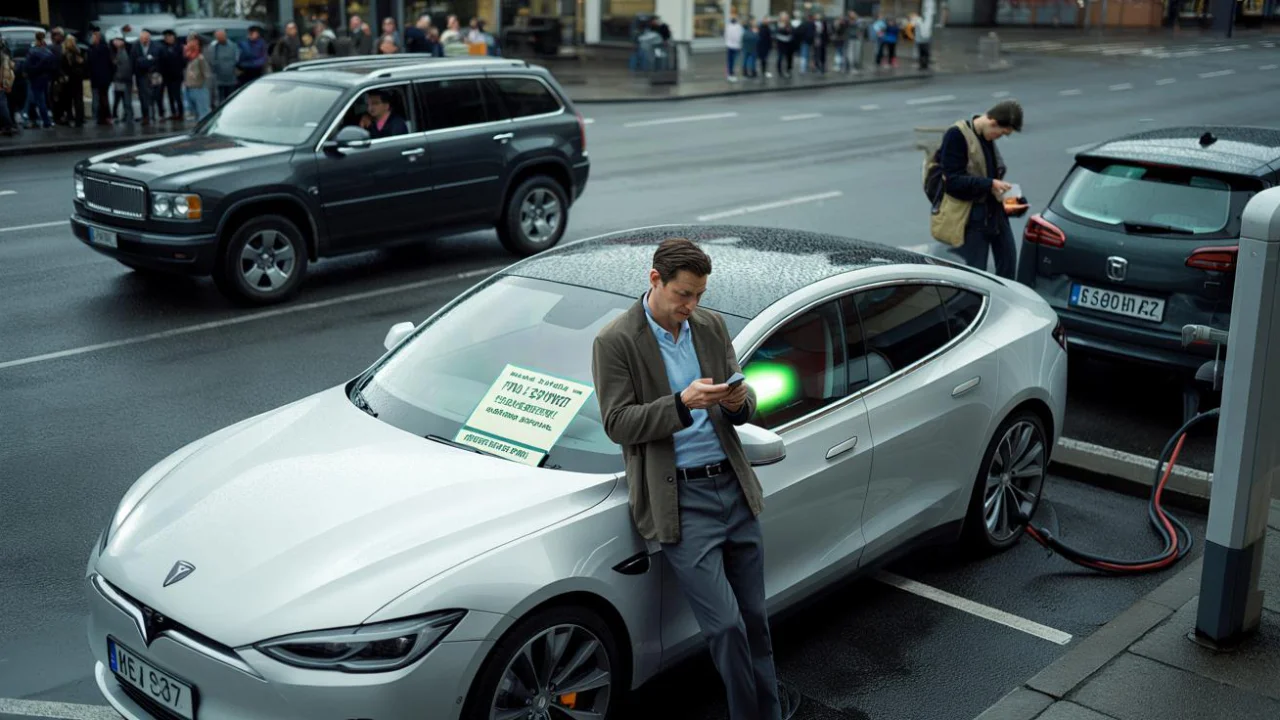
Sarah Martinez stared at her electric vehicle registration renewal notice in disbelief. The fee had jumped from $75 to $275 overnight. Her neighbor across the street, who drives a gas-guzzling pickup truck that gets 15 miles per gallon, paid exactly what he did last year. “I thought I was doing the right thing for my kids’ future,” she muttered, showing the bill to her husband. “Now I’m being punished for it.”
This scene is playing out in driveways across the country as a new reality sets in for electric car owners. What politicians euphemistically call “alternative fuel vehicle fees” is being rebranded by frustrated drivers as something much more pointed: the battery wealth tax.
The irony is thick enough to cut with a knife. At a time when governments worldwide are pushing aggressive climate targets and begging citizens to go electric, they’re simultaneously making it more expensive to own the very cars they want us to buy.
When Going Green Gets Expensive
The battery wealth tax isn’t some distant policy proposal floating around think tanks. It’s here, it’s real, and it’s spreading faster than politicians want to admit. More than 30 U.S. states now charge electric vehicle owners extra fees that can range anywhere from $50 to over $200 annually.
The justification sounds reasonable at first glance. Electric cars don’t buy gas, so they don’t pay gas taxes that traditionally fund road maintenance. As more people make the switch to electric, that revenue stream dries up, leaving governments scrambling to fill budget holes.
“We need to find a way to make sure everyone pays their fair share for road infrastructure,” explains policy analyst Dr. Jennifer Walsh. “The question is whether we’re getting the balance right.”
But here’s where the logic breaks down. These new fees often hit electric car owners harder than traditional drivers, creating a bizarre situation where the person trying to reduce their carbon footprint pays more than someone burning fossil fuels.
The Numbers Don’t Lie
Let’s break down what this actually means for your wallet. The disparities are staggering when you look at the real-world impact of these policies.
| State | EV Annual Fee | Gas Tax Equivalent | Miles Needed to Break Even |
|---|---|---|---|
| Georgia | $213 | $0.29/gallon | 18,500 |
| Washington | $150 | $0.49/gallon | 12,200 |
| Illinois | $248 | $0.38/gallon | 19,500 |
| Ohio | $200 | $0.385/gallon | 15,600 |
The pattern is clear: unless you’re driving more than 15,000 miles per year in a gas car that gets terrible mileage, you’re probably paying less in gas taxes than electric car owners pay in fees.
Consider this example: A Tesla Model 3 owner in Georgia pays $213 annually just for the privilege of driving electric. Meanwhile, someone driving a gas SUV that gets 20 mpg and drives 12,000 miles per year pays about $174 in gas taxes. The person trying to save the planet pays $39 more.
These fees also create some absurd situations:
- A Prius Prime hybrid that can drive 25 miles on electricity pays the same EV fee as a Tesla with a 400-mile range
- Someone who barely drives their electric car pays the same as a rideshare driver putting on 50,000 miles annually
- Wealthy buyers of $100,000 electric luxury cars pay the same fee as middle-class families stretching to afford a used Nissan Leaf
The Real-World Backlash Is Building
The disconnect between climate rhetoric and tax policy is creating genuine anger among early EV adopters. These aren’t just wealthy tech bros with money to burn. Many are middle-class families who made financial sacrifices to buy electric, often motivated by environmental concerns.
“I feel completely betrayed,” says Mark Thompson, a teacher from Ohio who bought a used electric car to save money on his commute. “They tell us to go electric to save the planet, then hit us with fees that make it more expensive than driving a gas guzzler.”
The timing couldn’t be worse. Electric car adoption is at a critical tipping point. These punitive fees are hitting just as prices for EVs are starting to become competitive with gas cars. Early adopters who took a financial risk to go electric are now being asked to subsidize the very infrastructure that everyone uses.
The psychological impact goes beyond the money. There’s a growing sense that governments are talking out of both sides of their mouths. On one hand, they’re setting aggressive targets to phase out gas cars. On the other, they’re making it financially painful to make that transition.
“It sends exactly the wrong message,” argues transportation economist Dr. Robert Chen. “We’re essentially penalizing the behavior we want to encourage while subsidizing the behavior we want to eliminate.”
Some states are starting to recognize the problem. A few have implemented more nuanced approaches, like weight-based fees or per-mile charges that apply to all vehicles. But these solutions are still in their infancy, and many states are sticking with the blunt instrument of flat EV fees.
The battery wealth tax is also creating an uncomfortable conversation about who should pay for the climate transition. Early EV adopters, who are already paying premium prices for cleaner technology, are being asked to shoulder an additional burden for infrastructure that benefits everyone.
This isn’t just about fairness in taxation. It’s about whether governments are serious about their climate commitments or just paying lip service while protecting existing revenue streams. The current approach risks turning electric car ownership into a luxury for the wealthy rather than a mainstream choice for everyone.
As more people become aware of these fees, the political pressure is building. EV owners are organizing, sharing their stories on social media, and demanding better from their representatives. The question is whether politicians will listen before the battery wealth tax becomes a major obstacle to achieving their own climate goals.
FAQs
What exactly is the battery wealth tax?
It’s a term used to describe the extra fees many states charge electric vehicle owners, often significantly higher than what gas car drivers pay in fuel taxes.
How much extra do electric car owners typically pay?
Fees range from $50 to over $200 annually, depending on the state, often exceeding what similar gas cars contribute through fuel taxes.
Why are governments implementing these fees?
Officials claim they need to replace lost gas tax revenue as more people switch to electric vehicles, since gas taxes traditionally fund road maintenance.
Are all states charging these fees?
No, but more than 30 states currently have some form of additional EV fees, and the number is growing each year.
Is there a fairer way to fund roads?
Some experts suggest per-mile fees for all vehicles or weight-based taxes that more accurately reflect actual road wear and usage.
Could these fees slow electric car adoption?
Yes, many analysts worry that penalizing early EV adopters could discourage others from making the switch, potentially undermining climate goals.


