
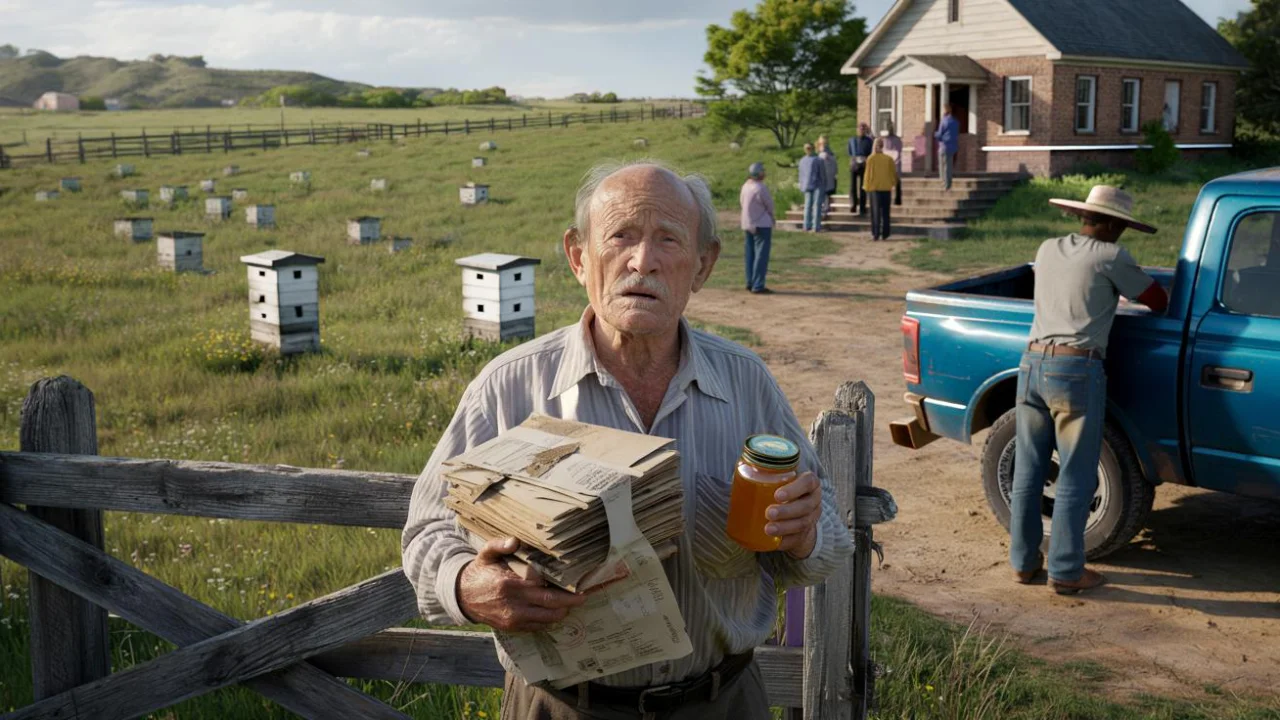
Margaret Hensley never imagined that letting her neighbor keep a few beehives on her back pasture would cost her $18,000. The 74-year-old retiree from rural Tennessee thought she was doing a good deed when she agreed to let Tom, a young beekeeper, place his hives on her unused land for free. “He was just starting out, and I had the space,” she recalls. “It seemed like the neighborly thing to do.”
Two years later, Margaret received a tax bill that made her stomach drop. The county had reclassified her property, triggering massive back taxes she never saw coming. Her act of kindness had become a financial nightmare, and she’s not alone.
Across America, similar stories are unfolding as well-meaning landowners discover that informal land arrangements can trigger devastating land loan tax consequences they never anticipated.
When Good Intentions Meet Bad Tax Laws
The problem starts with how tax assessors view land use. Properties often qualify for agricultural or other reduced tax rates based on their designated purpose. When that use changes—even informally—it can trigger a “rollback” provision that demands years of back taxes at the higher rate.
“Most people have no idea they’re creating a taxable event when they let someone use their land,” explains Sarah Chen, a property tax attorney in Virginia. “They think they’re being good neighbors. The tax code sees it as a change in land use that voids their agricultural exemption.”
These land loan tax consequences hit hardest when property owners make informal agreements without written contracts or proper legal guidance. A handshake deal that feels neighborly can look like a commercial transaction to tax authorities.
The scope of this problem is growing. Rural counties nationwide report increasing numbers of these cases as more retirees find themselves caught between community spirit and complex tax regulations.
The Hidden Costs of Neighborly Generosity
Understanding the financial impact requires looking at how these tax bombs actually explode. Here’s what typically happens:
- Property loses its agricultural tax classification
- County demands back taxes at full residential or commercial rates
- Interest and penalties accumulate on unpaid amounts
- Legal fees pile up if the case goes to court
- Property may face tax lien or forced sale
The numbers can be staggering. Consider these real-world examples from recent court cases:
| State | Original Tax Bill | Rollback Amount | Total Owed |
|---|---|---|---|
| Tennessee | $800/year | $14,200 | $18,000 |
| Georgia | $1,200/year | $22,000 | $28,500 |
| North Carolina | $650/year | $9,800 | $12,400 |
“The rollback provision is designed to prevent abuse of agricultural exemptions,” notes Michael Rodriguez, a former county assessor in Ohio. “But it’s catching innocent people who never intended to game the system.”
Who Gets Caught in the Tax Trap
The victims of these land loan tax consequences share common characteristics. They’re typically older property owners on fixed incomes who own rural or semi-rural land. Many inherited their properties or bought them decades ago when tax implications seemed simpler.
These landowners often:
- Live in small communities where informal agreements are common
- Have limited experience with complex tax regulations
- Lack resources for expensive legal consultation before making arrangements
- Trust verbal agreements over written contracts
- Assume good intentions protect them from legal consequences
The people they help are usually small-scale entrepreneurs—beekeepers, organic farmers, horse owners, or hobby gardeners. Neither party typically understands the potential tax implications of their arrangement.
“I’ve seen grandmothers lose their homes because they let their grandson keep horses on their land,” says Patricia Williams, a tax resolution specialist in Kentucky. “These aren’t sophisticated real estate deals. They’re family favors that turn into legal disasters.”
The Courtroom Battles Tearing Communities Apart
When these tax bills arrive, many property owners fight back, leading to lengthy court battles that divide communities. These cases often pit neighbors against each other and challenge fundamental notions of fairness and community support.
Margaret Hensley’s case is now in its third year of litigation. The beekeeper who used her land has been called as a witness, creating tension in their small town. “People are taking sides,” she says. “Some think I should just pay it. Others are scared they’ll be next.”
The legal arguments typically center on whether the land use actually changed and whether the arrangement constitutes a commercial lease. Counties argue that any productive use by another party triggers reclassification, while property owners contend that neighborly favors shouldn’t be treated as business transactions.
“These cases are incredibly fact-specific,” explains attorney David Park, who specializes in agricultural tax law. “Courts have to decide where neighborly help ends and commercial activity begins. That line isn’t always clear.”
Protecting Yourself from Land Loan Tax Consequences
Property owners can take steps to avoid these devastating tax surprises:
- Consult a tax professional before allowing anyone to use your land
- Understand your property’s current tax classification
- Get written agreements for any land use arrangements
- Contact your county assessor before making informal deals
- Consider purchasing additional tax liability insurance
- Document the non-commercial nature of neighborly arrangements
Some states are beginning to address this issue through legislation that provides clearer guidelines for informal land use agreements. However, most property owners remain vulnerable under current laws.
“The sad truth is that being a good neighbor has become a luxury many people can’t afford,” observes tax policy expert Dr. Jennifer Adams. “The financial risks are just too high.”
For Margaret Hensley and thousands like her, the lesson is painful but clear: in today’s complex tax environment, even the most innocent acts of kindness can carry devastating financial consequences. The honey may have been sweet, but the tax bill left a bitter taste that lingers years later.
FAQs
Can I let someone use my land for free without tax consequences?
Not necessarily. Even free arrangements can trigger tax reclassification if they change how your land is used or classified by the county.
How long do I have to pay rollback taxes once they’re assessed?
This varies by state, but typically you have 30-90 days before penalties and interest begin accumulating significantly.
Will a written agreement protect me from land loan tax consequences?
A written agreement helps clarify the arrangement’s nature, but it doesn’t automatically prevent tax reclassification. Consult a tax professional for proper structuring.
Can I appeal a rollback tax assessment?
Yes, most states allow appeals of rollback tax assessments, but you’ll need documentation and often legal representation to succeed.
What’s the difference between a neighborly favor and a commercial lease for tax purposes?
Tax authorities look at factors like duration, exclusivity, improvements made, and whether the arrangement resembles a typical commercial relationship, regardless of payment.
Should I get insurance to protect against these tax consequences?
Some property insurance policies offer tax liability coverage, but it’s expensive and may not cover all situations. Consult with your insurance agent about options.


