
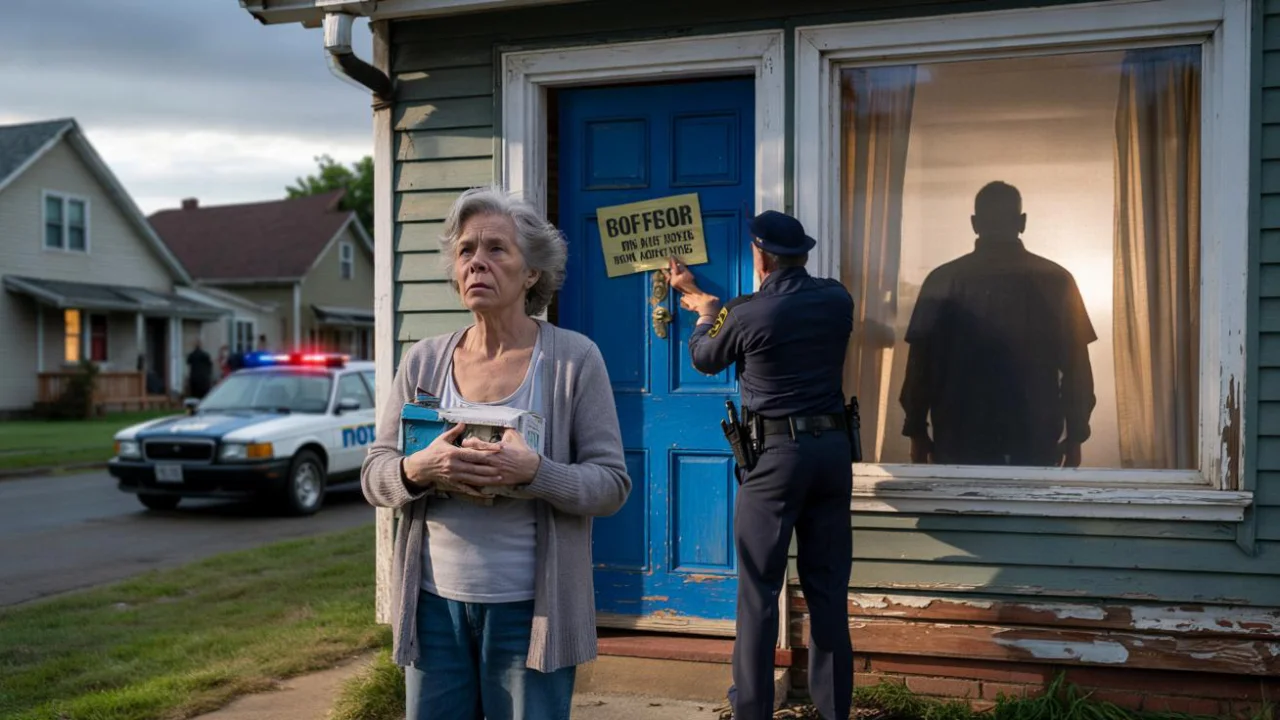
Sarah Martinez still remembers the sound her coffee mug made when it hit the kitchen wall. Not the crash you’d expect, but a dull thud followed by ceramic pieces scattering across linoleum. Her 28-year-old son had thrown it during another screaming match about rent money, and as she knelt to pick up the fragments, one thought kept cycling through her mind: “This is my child. The same hands that once fit inside mine.”
Three months later, Sarah lost her home to foreclosure. The repairs from repeated damage, the missed work days after violent episodes, the money spent on lawyers hoping to find alternatives to eviction—it all added up to a math problem no mother should have to solve.
Stories like Sarah’s are playing out in communities across America, where the line between family loyalty and personal survival becomes impossibly thin. When a violent son eviction becomes the only path forward, thousands of parents face an agonizing choice: protect themselves or protect their child.
When Family Bonds Become Breaking Points
The numbers tell a stark story. According to the National Domestic Violence Hotline, approximately 4.5 million incidents of domestic violence occur each year between family members. But when the perpetrator is an adult child living at home, the situation becomes legally and emotionally complex.
“Parents often feel trapped between their natural instinct to protect their child and their need to protect themselves,” explains Dr. Rebecca Chen, a family violence researcher at Columbia University. “Society expects unconditional parental love, but what happens when that love becomes dangerous?”
Linda, a 63-year-old from Ohio whose case gained national attention, called police more than a dozen times about her son’s violent outbursts. Doors were smashed. Windows broken. Neighbors heard the crashes and shouting through thin walls. Each time officers responded, they asked the same question: “Do you want to press charges?”
Each time, Linda hesitated. Her son had mental health issues, a history of substance abuse, and nowhere else to go. The local shelter system was overwhelmed. Mental health services had months-long waiting lists. The streets felt like a death sentence.
The Hidden Costs of Staying Silent
The financial impact of housing a violent family member extends far beyond obvious property damage. Families dealing with this crisis face multiple hidden costs that can quickly spiral into financial ruin:
- Emergency repairs for damaged doors, walls, and windows
- Lost income from missed work days during crisis episodes
- Legal fees for protective orders and family court proceedings
- Medical expenses for injuries sustained during violent incidents
- Increased insurance premiums or policy cancellations
- Temporary housing costs during dangerous escalations
| Financial Impact Category | Average Annual Cost | Frequency |
|---|---|---|
| Property repairs | $2,800-$8,500 | 3-8 incidents per year |
| Lost wages | $4,200-$12,000 | 15-35 days annually |
| Legal/court fees | $1,500-$5,000 | Per legal proceeding |
| Medical treatment | $800-$3,200 | 2-6 incidents per year |
“The system puts parents in an impossible position,” notes Attorney Michael Rodriguez, who specializes in family housing law. “They’re told to evict their own child to save their home, but given no realistic alternatives for where that child will go.”
When Tough Love Meets System Failures
The debate around violent son eviction cases reveals deep fractures in how Americans think about family responsibility, mental health, and social safety nets. Some argue that parents enabling violent behavior share responsibility for the consequences. Others point to systemic failures that leave families with no good options.
Mental health advocate Dr. Patricia Williams sees these cases as symptoms of larger problems. “We’ve defunded mental health services, eliminated affordable housing programs, and then we’re surprised when families can’t solve these problems alone. These parents aren’t enabling violence—they’re trying to prevent their children from becoming homeless.”
The legal system offers limited help. Most states require proof of immediate danger for emergency protective orders. Eviction processes can take months, during which time more damage occurs. Emergency mental health interventions often result in brief hospital stays followed by release back to the family home.
Linda’s story illustrates this dysfunction perfectly. Police responded to 14 separate domestic violence calls over 18 months. Each time, her son spent a night or two in custody before returning home. No long-term treatment materialized. No alternative housing appeared. The violence continued, and the bills mounted.
Breaking the Cycle: What Actually Works
Some communities have found innovative approaches to these seemingly impossible situations. Crisis intervention teams that include mental health professionals, not just police officers, can de-escalate situations and connect families with resources. Transitional housing programs specifically designed for adults with mental health issues provide alternatives to homelessness or family conflict.
“The most successful interventions happen before families reach the crisis point,” explains social worker Jennifer Thompson. “Once you’re calling 911 every week, the system has already failed you.”
Prevention strategies include:
- Early intervention mental health services for young adults
- Family counseling that addresses both addiction and violence
- Supported independent living programs
- Crisis respite services for temporary separations
- Financial assistance for families managing mental health crises
But these programs remain rare and underfunded. Most families facing violent son eviction decisions do so without meaningful support or alternatives.
The Price of Impossible Choices
Linda eventually lost her house anyway. The bank initiated foreclosure proceedings after months of missed payments. Her son, facing homelessness, finally accepted placement in a residential treatment program—an option that had somehow materialized only after the house was gone.
She now lives with her sister, and her son is getting treatment that might have prevented years of violence and financial devastation. The timing feels cruel, the waste obvious.
“People ask why I didn’t kick him out sooner,” Linda said in a recent interview. “But they never asked why the system couldn’t help us find another way.”
Her question echoes through countless similar stories across the country. In a society that values both family bonds and personal safety, these cases expose the gaps between our ideals and our institutions. Until those gaps close, more parents will face the impossible choice between protecting their homes and protecting their children—and many will lose both in the process.
FAQs
Can a parent legally evict their adult child for violent behavior?
Yes, but the process varies by state and can take several months. Parents may need to go through formal eviction proceedings even with their own children.
What resources exist for families dealing with violent adult children?
Options include domestic violence hotlines, family crisis intervention services, mental health treatment programs, and legal aid clinics. However, availability varies greatly by location.
Does homeowner’s insurance cover damage from family violence?
Most standard policies exclude damage caused by household members. Some insurers may cancel policies after repeated claims from domestic violence incidents.
How long does the eviction process take for family members?
Typically 30-90 days depending on state laws, but courts may extend timelines in cases involving mental health issues or lack of alternative housing.
Are there financial assistance programs for families dealing with this crisis?
Limited programs exist through victim services organizations and some nonprofit agencies, but funding is often insufficient to meet demand.
What should parents do if they fear for their safety but don’t want their child to become homeless?
Contact local domestic violence agencies for safety planning, explore temporary residential treatment options, and consult with family attorneys about protective orders that don’t require criminal charges.


