
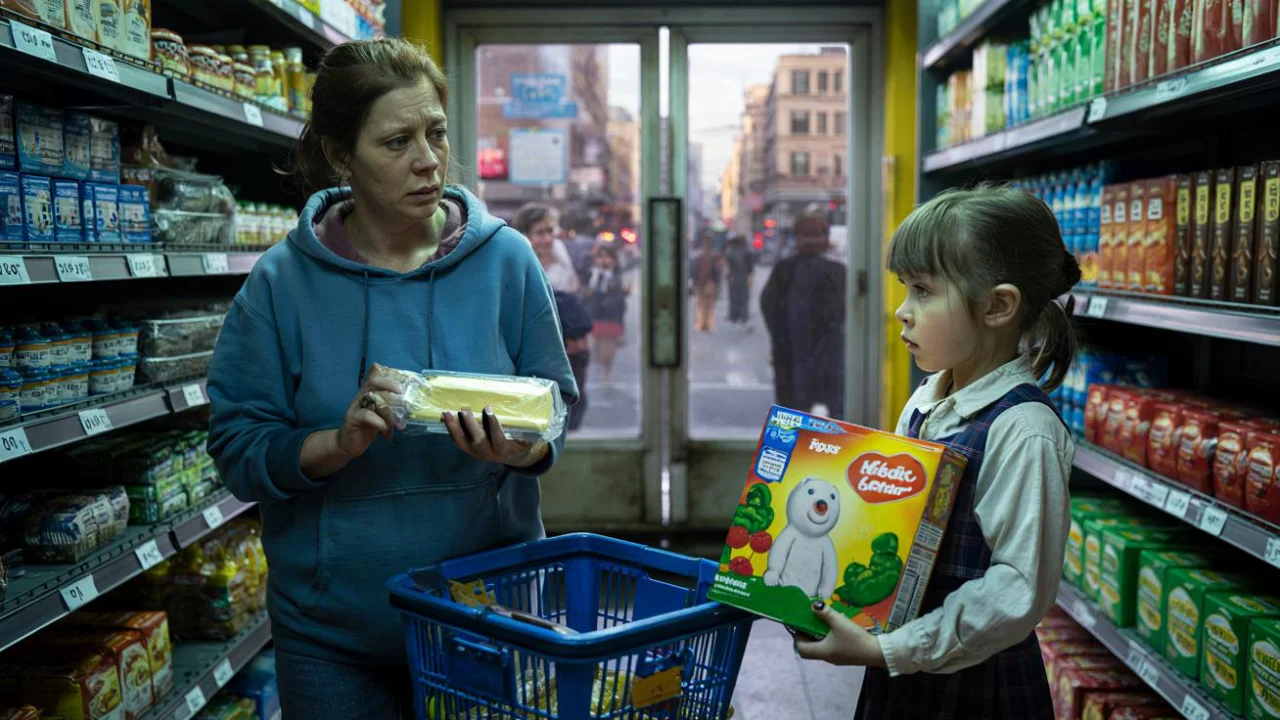
Maria stared at her electricity bill for the third time, the numbers blurring as her eyes filled with frustration. The carbon tax line item had doubled since last month—$47 more on top of an already stretched budget. Her two kids were asking for school supplies, and she’d already switched to the cheapest grocery store in town.
Down the street, the massive chemical plant that had been belching smoke for decades just got another exemption. Their lobbyists called it “essential infrastructure.” Maria called it something else entirely.
This is the reality of climate policy in 2024—good intentions colliding with harsh economics, and guess who’s paying the price?
The Carbon Tax That Hits Backwards
The latest carbon tax expansion was supposed to be different. Politicians promised it would target the biggest polluters while protecting working families through rebates and exemptions. Instead, what we’re seeing is a policy that seems to work in reverse.
Low-income households are feeling the squeeze immediately through higher energy costs, transportation fees, and grocery prices. Meanwhile, major industrial polluters are securing exemptions faster than you can say “climate emergency.”
“We’re seeing a pattern where the people with the smallest carbon footprints are paying the highest price,” says Dr. Jennifer Walsh, an environmental economist at State University. “It’s creating a political backlash that could derail climate action for years.”
The numbers tell a stark story. Since the carbon tax increase took effect three months ago, household energy costs have risen by an average of 12% in low-income neighborhoods. Bus fares went up 8%. Even basic groceries cost more due to transportation and refrigeration fees.
Who Pays and Who Walks Away
Here’s what the carbon tax landscape actually looks like right now:
| Who’s Paying More | Average Monthly Increase | Who Got Exemptions | Annual Savings |
|---|---|---|---|
| Households under $40k | $89 | Petrochemical plants | $2.3 billion |
| Small businesses | $340 | Steel manufacturers | $890 million |
| Public transport users | $23 | Mining operations | $1.2 billion |
| Renters (through utilities) | $67 | Data centers | $450 million |
The exemptions pile up with creative reasoning:
- Manufacturing giants claim “economic necessity”
- Tech companies argue they’re “driving innovation”
- Energy companies say they’re “ensuring grid stability”
- Airlines got relief for being “strategically important”
Meanwhile, your neighbor who takes the bus to work and lives in a 600-square-foot apartment is subsidizing their exemptions through higher costs on everything from heating to groceries.
“The policy is designed by people who don’t feel its impacts,” notes climate policy researcher Dr. Marcus Thompson. “They see carbon pricing as an elegant economic solution, but they’re not the ones choosing between paying the electric bill and buying medicine.”
The Backlash Building in Real Time
Political experts are sounding alarms about what’s coming next. Public support for climate action was already fragile, and this carbon tax rollout is testing every limit.
In working-class districts, voters are connecting dots politicians hoped they wouldn’t. They see their costs rising while corporations get passes. They hear about climate urgency while watching their own financial stability crumble.
The pattern is playing out in town halls, school board meetings, and social media groups. People aren’t rejecting climate science—they’re rejecting climate policies that seem designed to make their lives harder while letting the biggest polluters off the hook.
“We’re creating the perfect storm for a populist backlash against all environmental policy,” warns political strategist Sarah Chen. “When people feel like they’re being punished for problems they didn’t create, they stop listening to the science altogether.”
Small business owners are particularly frustrated. Local restaurants are passing carbon tax costs to customers. Delivery services are adding new fees. Community centers are cutting programs because utility costs jumped.
These aren’t abstract policy debates anymore. They’re kitchen table conversations about which bills to pay first and whether the family can afford to keep the heat on in winter.
What Happens When the Heat Really Kicks In
Climate scientists keep warning that we’re running out of time. The window for avoiding catastrophic warming is closing fast. But this carbon tax fiasco might be slamming that window shut from the political side.
Here’s what experts expect if this pattern continues:
- Voter backlash against climate-focused candidates in upcoming elections
- Rollback of environmental regulations under pressure
- Corporate lobbying for even more exemptions
- Working-class communities turning against climate policies entirely
The cruel irony is that low-income communities will suffer most from climate change itself. They live in flood zones, heat islands, and areas with poor air quality. They can’t afford to move when disasters hit or buy their way out of climate impacts.
But right now, they’re watching climate policy make their immediate struggles worse while doing nothing about the root causes they can see with their own eyes.
“We’re creating a false choice between climate action and economic justice,” explains Dr. Walsh. “The result is that we get neither.”
The political calendar isn’t waiting for better policy design. Elections are coming, and voters are angry. If climate advocates don’t figure out how to make carbon pricing fair, they might lose the political support needed for any climate action at all.
The next heatwave will test more than power grids and air conditioners. It’ll test whether a democracy can tackle its biggest challenge while leaving its most vulnerable citizens feeling abandoned by the very policies meant to protect their future.
FAQs
Why are low-income families paying more under the carbon tax?
The carbon tax increases costs for energy, transportation, and goods, which hit lower-income households harder as a percentage of their budget, while many large corporations receive exemptions.
How much more are families actually paying each month?
Households earning under $40,000 are seeing average increases of $89 monthly, mainly through higher utility bills, transportation costs, and grocery prices.
Which companies are getting exemptions from the carbon tax?
Major exemptions have gone to petrochemical plants, steel manufacturers, mining operations, data centers, and airlines, saving them billions while costs shift to consumers.
Could this carbon tax approach backfire politically?
Yes, experts warn that making working families pay more while exempting big polluters could create a backlash that undermines all climate policy efforts.
Are there better ways to implement carbon pricing?
Many economists suggest carbon pricing should include larger rebates for lower-income households and fewer exemptions for major industrial polluters to be both fair and effective.
What happens if public support for climate policy collapses?
Loss of public support could lead to rollbacks of environmental regulations and make it much harder to implement the rapid emissions reductions scientists say are necessary.


