
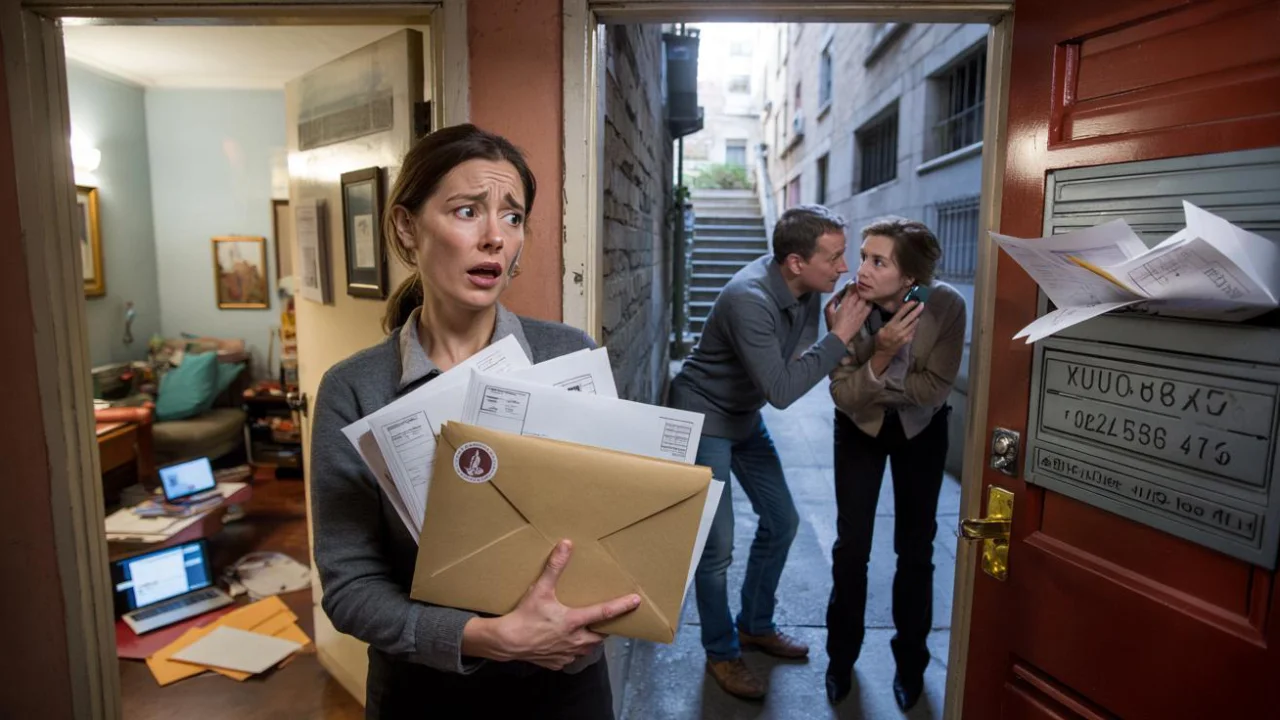
Sarah stared at the official envelope in her hands, her heart sinking as she recognized the tax authority’s logo. Inside was a notice about unpaid business taxes for a company she’d never heard of – one apparently registered at her small downtown apartment. The “harmless favor” she’d done for her college roommate six months ago suddenly didn’t feel so harmless anymore.
Her neighbor knocked on her door that evening, holding an identical envelope. “Did you know there’s a construction company supposedly operating out of your one-bedroom?” he asked, his voice tight with concern. Word spread quickly through their building, and Sarah found herself explaining the same thing over and over: she was just helping a friend who needed a business address registration.
What started as a simple act of friendship had turned into a neighborhood controversy, with some residents calling it outright fraud while others defended it as necessary support during tough economic times.
The hidden dangers of sharing your address for business registration
Business address registration might seem like paperwork, but it carries real legal weight. When you allow someone to register their company at your home, you’re not just lending them a mailing address – you’re potentially tying yourself to their business activities in ways that can surprise you later.
“Many people think they’re just providing a postal address, but legally, they’re creating a connection between themselves and that business,” explains tax attorney Michael Rodriguez. “If problems arise, your address becomes part of the investigation.”
The practice has exploded during recent economic uncertainty. Rising commercial rents and the gig economy boom have created a perfect storm where legitimate entrepreneurs can’t afford proper business premises but still need professional addresses for registration.
Yet what feels like solidarity can quickly become a liability nightmare.
What you’re really risking when you say yes
The consequences of business address registration at your home extend far beyond receiving extra mail. Here’s what could actually happen:
- Tax complications: Your address becomes linked to business tax filings, potentially affecting your own tax situation
- Legal liability: Debt collectors and legal notices will arrive at your door
- Neighbor relations: Commercial activity at residential addresses often violates lease agreements or HOA rules
- Credit implications: Business debts registered at your address could impact your credit profile
- Zoning violations: Many residential areas prohibit commercial registrations entirely
“I’ve seen people lose security deposits, face eviction proceedings, and even get dragged into business disputes they had nothing to do with,” says business consultant Lisa Chen. “The friend thinks they’re just borrowing an address, but the legal system sees a much deeper connection.”
Consider this comparison of what people think they’re agreeing to versus the reality:
| What Friends Promise | What Actually Happens |
|---|---|
| Just mail forwarding | Legal notices, tax documents, debt collection letters |
| Temporary arrangement | Business registration often lasts years |
| No impact on you | Potential credit, legal, and housing consequences |
| Simple favor | Complex legal entanglement |
The gray area that’s dividing communities
The controversy around business address registration reflects deeper economic tensions. Supporters argue it’s a lifeline for struggling entrepreneurs who can’t access traditional commercial spaces. Critics worry it opens doors to tax avoidance and fraudulent schemes.
Take Maria, a graphic designer who started freelancing during the pandemic. Her friend Carlos offered his apartment as a business address when Maria couldn’t afford a co-working space. “It kept me afloat during the worst months,” Maria says. “Without that address, I couldn’t have gotten business accounts or professional credibility.”
But Carlos tells a different story. “Within three months, I was getting calls from the IRS, letters from suppliers, and my landlord started asking questions about commercial activity. It nearly cost me my lease.”
Financial advisor Janet Williams warns that good intentions don’t protect against bad outcomes: “I’ve counseled clients who thought they were helping friends launch legitimate businesses, only to discover those ‘businesses’ were elaborate tax schemes or debt shuffling operations.”
The practice exists in a legal gray area. While using a friend’s address for business registration isn’t automatically illegal, it can easily cross into fraud territory if:
- The business doesn’t actually operate
- False information is provided to tax authorities
- The arrangement is used to avoid legitimate business expenses
- Residential zoning laws are violated
Protecting yourself if you still want to help
If you decide to allow business address registration at your home despite the risks, financial experts recommend several protective measures:
- Get everything in writing: Document exactly what you’re agreeing to and for how long
- Set clear boundaries: Specify that no actual business operations will occur at your address
- Regular check-ins: Stay informed about the business’s status and any legal issues
- Exit strategy: Agree on how and when the arrangement will end
- Insurance review: Check if your renter’s or homeowner’s policy covers business-related issues
Some people are finding middle-ground solutions. Professional mail forwarding services, virtual office spaces, and co-working memberships offer legitimate business addresses without involving personal residences.
“The monthly cost of a legitimate business address service is usually less than what people spend on coffee,” notes business attorney David Park. “When you weigh that against the potential costs of legal problems, it’s actually the economical choice.”
The trend reflects broader changes in how we work and live, but it’s forcing uncomfortable questions about the boundaries between personal generosity and legal risk. As more people navigate economic uncertainty, these “harmless favors” are becoming anything but harmless for the people who provide them.
FAQs
Is letting someone register their business at my address illegal?
Not automatically, but it can become illegal if used for tax fraud or if it violates local zoning laws.
Can I be held responsible for their business debts?
While you’re not directly liable, debt collectors will contact you, and legal notices will arrive at your address.
How do I remove a business registration from my address?
Contact the business owner first, then file paperwork with your state’s business registration office if they don’t cooperate.
Will this affect my taxes?
Potentially yes – the IRS may question business deductions or activities associated with your address.
What should I do if official letters keep arriving?
Don’t ignore them. Mark them “return to sender” and document everything in case legal issues arise later.
Are there safer alternatives to help friends starting businesses?
Yes – recommend virtual office services, mail forwarding companies, or co-working spaces with business registration options.


