
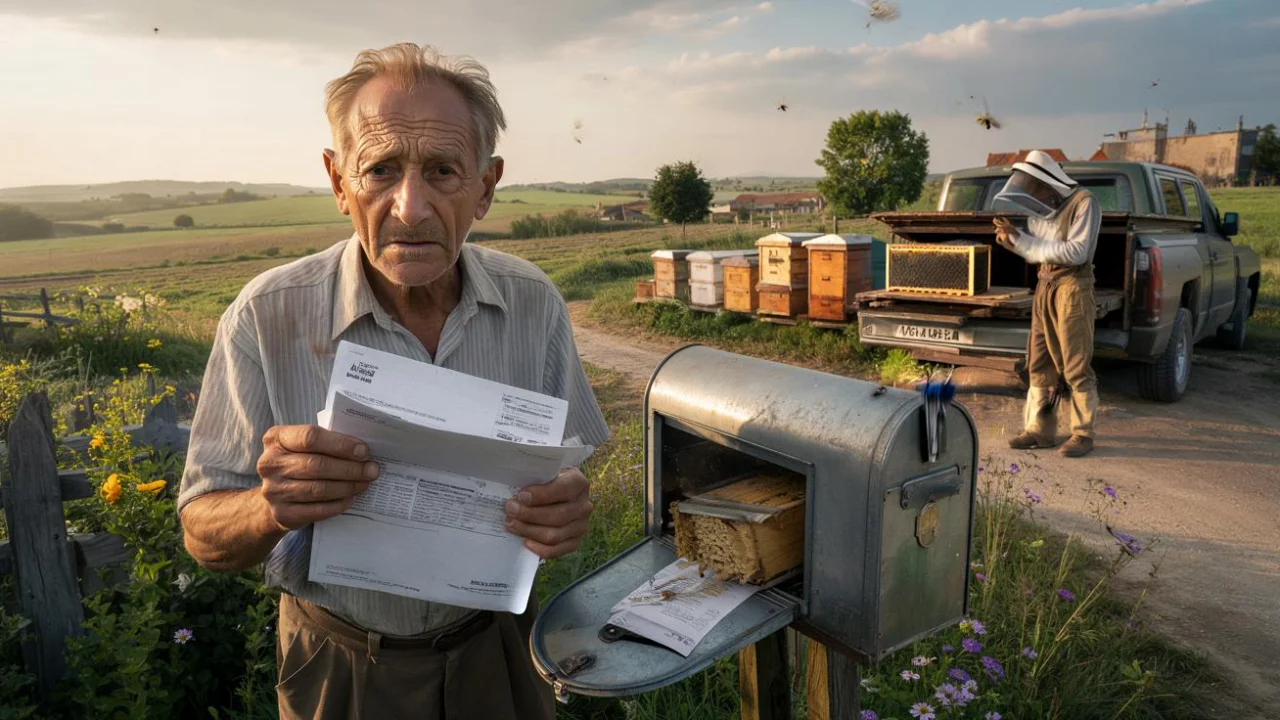
Margaret had always believed that kindness was simple. At 72, she’d spent years watching her neighbor Tom struggle with his small beekeeping business, driving hours to find places for his hives. When he asked if he could place a few boxes on her unused back acre, she didn’t hesitate. “Of course, dear. The wildflowers could use some attention.”
That was eighteen months ago. Last Tuesday, Margaret opened her mailbox to find a tax notice that made her hands shake. The government wanted to know about her “undeclared agricultural rental income” and suggested she might owe back taxes on what they calculated as fair market value for land use.
Margaret’s story isn’t unique anymore. Across rural communities, retirees who offered small favors to struggling farmers and beekeepers are discovering that their acts of neighborly kindness have caught the attention of increasingly aggressive tax enforcement systems.
How a Simple Handshake Became a Tax Nightmare
The retiree land loan tax issue stems from a fundamental disconnect between how people live and how bureaucrats categorize transactions. When 68-year-old Jean allowed a young beekeeper to place hives on his property in exchange for honey, he thought he was simply being neighborly.
Tax authorities saw something different entirely. Modern tracking systems, powered by satellite imagery and cross-referenced business registrations, can identify when commercial operations use private land. What looks like friendship to humans looks like taxable income to algorithms.
“The problem is that tax law doesn’t recognize the difference between a commercial lease and a favor between neighbors,” explains tax attorney Sarah Chen. “If there’s any benefit exchanged, even honey or vegetables, the IRS can argue there’s taxable value.”
The beekeeper in Jean’s case was registered as a business. When he filed his operational reports listing Jean’s property as a hive location, it triggered an automatic flag. The system doesn’t care that no money changed hands.
These cases are multiplying rapidly. Rural communities report similar situations involving:
- Elderly homeowners letting neighbors graze livestock on unused fields
- Retirees allowing organic farmers to use garden space in exchange for produce
- Property owners hosting Christmas tree operations for local families
- Landowners permitting sustainable logging on wooded acres
The Real Numbers Behind These Tax Demands
Tax officials calculate “fair market rental value” based on agricultural land lease rates in each area. For retirees who never intended to profit from their land, these numbers can be shocking.
| Land Use Type | Average Annual “Value” Calculated | Typical Tax Owed | Penalties for Non-Reporting |
|---|---|---|---|
| Beehive Placement | $200-800 per acre | $50-200 | $150-600 |
| Livestock Grazing | $400-1,200 per acre | $100-300 | $300-900 |
| Crop Growing | $800-2,500 per acre | $200-625 | $600-1,875 |
| Timber Harvesting | $1,000-5,000 per acre | $250-1,250 | $750-3,750 |
The penalties often exceed the actual taxes owed. Margaret discovered she might owe $180 in taxes on the “value” of her beekeeper arrangement, but faces $540 in penalties for failing to report it initially.
“These retirees never thought they were running businesses,” notes rural advocate Mike Rodriguez. “They were just being good neighbors. Now they’re facing tax bills that can eat up months of Social Security payments.”
Who’s Really Getting Hurt by These Enforcement Actions
The retiree land loan tax crackdown is creating unexpected victims across rural America. Fixed-income seniors who thought they were helping young farmers are now facing complex tax situations they never anticipated.
Tom, the beekeeper in Margaret’s story, feels terrible about the situation. “She was trying to help me, and now she’s getting punished for it. It makes no sense.” He’s offered to pay her tax bill, but she refuses, saying it would set a dangerous precedent.
The enforcement is particularly harsh on widows and elderly single homeowners. Many inherited larger properties and genuinely want to see the land used productively rather than sitting empty.
Communities are splitting over these cases. Some neighbors argue that if there’s economic value in the arrangement, taxes should be paid. Others contend that small acts of kindness shouldn’t be criminalized by overzealous tax collection.
“We’re creating a society where people are afraid to help each other,” argues community organizer Linda Torres. “That’s not the America most of us want to live in.”
The young farmers and beekeepers involved are often struggling themselves. Rising fuel costs, equipment prices, and competition from large agricultural operations make every cost-saving arrangement crucial to their survival.
Legal experts warn that fighting these tax assessments often costs more than paying them. Most retirees can’t afford lengthy tax court battles, leaving them with little choice but to comply or stop helping their neighbors entirely.
What This Means for Rural Communities Moving Forward
Tax attorneys are advising clients to document everything and consider formal lease agreements, even for nominal amounts. This protects both parties but fundamentally changes the nature of neighborly relationships.
Some communities are exploring collective solutions. Local governments could create official programs for land sharing that provide tax clarity while preserving the community spirit these arrangements represent.
“The solution isn’t to stop helping each other,” emphasizes tax policy researcher Dr. Amanda Walsh. “It’s to create systems that recognize the difference between commercial enterprises and community cooperation.”
Retirees facing these situations have several options, though none are perfect. They can formalize arrangements with proper documentation, charge minimal rent to establish clear business relationships, or unfortunately, stop offering help to avoid future complications.
The broader impact extends beyond individual cases. Young farmers report increasing difficulty finding affordable land access, while elderly landowners become more cautious about community involvement.
FAQs
Can I still let my neighbor use my land without tax consequences?
If no benefits are exchanged and it’s truly occasional use, you might be safe. However, any regular commercial activity or exchange of goods could trigger tax implications.
What should I do if I receive a tax notice about land use?
Don’t ignore it. Contact a tax professional immediately and gather all documentation about the arrangement, including any communications showing it was intended as a favor.
Are small amounts of produce or honey really taxable income?
Unfortunately, yes. The IRS considers any benefit received in exchange for land use as potentially taxable income, regardless of the amount.
How are tax authorities finding out about these arrangements?
Modern tracking uses satellite imagery, business registration cross-referencing, and local agricultural reports to identify commercial activity on private property.
Can I charge a dollar in rent to make it clearly a business transaction?
This might help establish a formal lease relationship, but consult a tax attorney first. The arrangement still creates taxable income and requires proper documentation.
What’s the best way to help neighbors without tax complications?
Consider formal written agreements that clearly state terms, fair market rent (even if minimal), and proper tax reporting. It’s less neighborly but more legally protective.


