
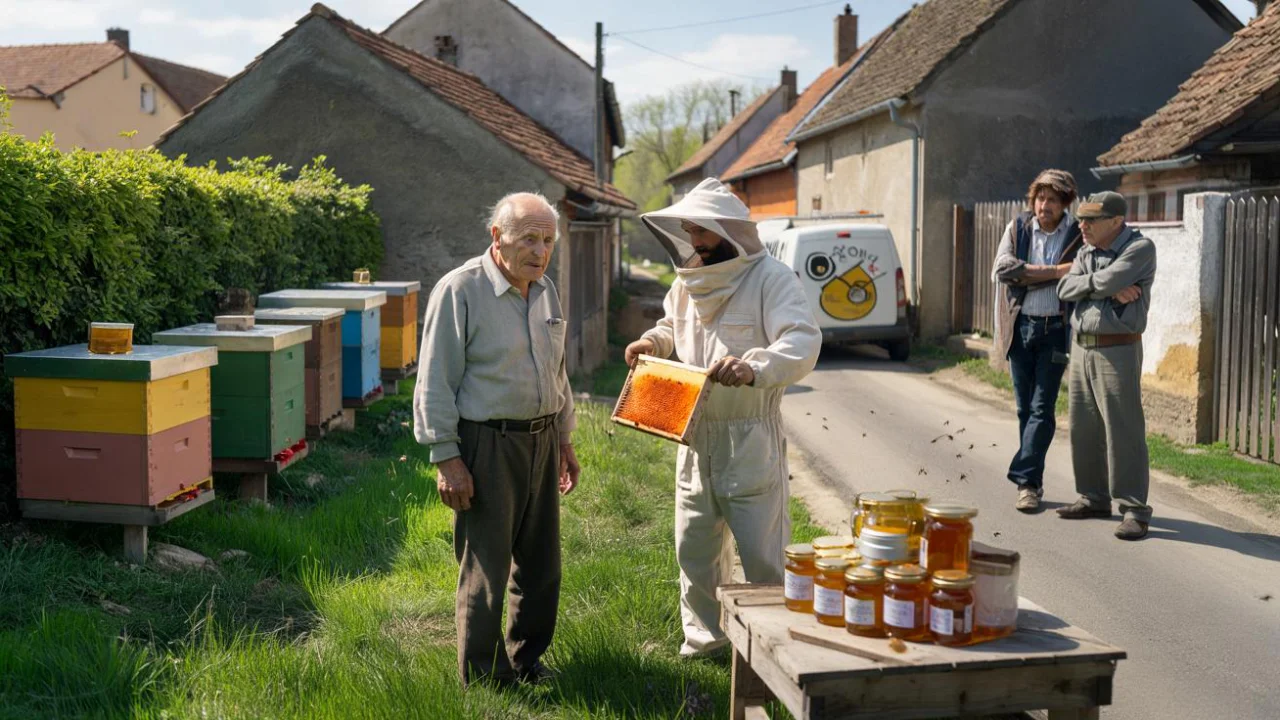
Margaret thought she was just being neighborly when she agreed to let Tom, a young beekeeper, place three hives on her unused back acre. The 72-year-old retired teacher had watched her small town lose its grocery store and post office, so when Tom mentioned he couldn’t afford land rent for his hobby, she didn’t hesitate. “Just put them wherever you think the bees will be happy,” she told him over coffee.
Eighteen months later, Margaret received an agricultural tax bill for $3,200, complete with penalties for “unreported commercial farming activity.” Her neighbors, once friendly, now complained about increased truck traffic and questioned whether she was running a secret business. What started as a simple act of community kindness had become a legal and social nightmare that would divide her quiet neighborhood.
Margaret’s story isn’t unique. Across rural America, property owners are discovering that good intentions can trigger unexpected tax consequences when informal arrangements cross invisible legal lines.
How a Handshake Deal Becomes a Tax Liability
The trouble often starts innocently. A retiree has unused land. A young farmer or beekeeper needs space but can’t afford market rent. They shake hands on an informal arrangement – no money changes hands, just a neighbor helping a neighbor.
But tax authorities don’t recognize good intentions. They look at land use, commercial activity, and income generation. When Tom’s honey operation expanded from family gifts to farmers market sales, Margaret’s property automatically shifted from residential to agricultural use in the county’s assessment system.
“The moment honey sales began generating reportable income, that land became part of a commercial operation,” explains rural tax attorney Jennifer Walsh. “The property owner becomes liable for agricultural taxes whether they’re receiving rent or not.”
The classification change can trigger several costly consequences. Agricultural tax rates often include special assessments for soil conservation, drainage districts, and pest management programs. Property owners may also face retroactive penalties if authorities determine the commercial use began months or years earlier.
The Real Costs Nobody Sees Coming
The financial impact extends far beyond the initial agricultural tax bill. Property owners often discover their situations involve multiple regulatory layers:
- Zoning violations: Residential properties may not permit commercial agricultural activities
- Insurance gaps: Homeowner’s policies typically exclude coverage for business operations
- Liability exposure: Property owners can be held responsible for injuries or environmental damage
- Estate planning complications: Agricultural use classifications affect property valuations and inheritance tax calculations
| Cost Category | Typical Range | When It Applies |
|---|---|---|
| Agricultural Tax Reassessment | $1,500-$8,000 | Once commercial activity begins |
| Zoning Violation Fines | $250-$2,500 | If residential area prohibits farming |
| Legal Defense Costs | $3,000-$15,000 | Fighting reassessments or neighbor disputes |
| Insurance Premium Increases | $800-$3,000 annually | Adding commercial liability coverage |
Some property owners face additional complications. If the informal arrangement continues for several years, tax authorities may argue that a permanent agricultural lease exists, potentially affecting property tax exemptions for seniors or veterans.
“We’re seeing cases where retirees lose their homestead exemptions because part of their property is now classified as income-producing farmland,” notes agricultural law specialist Robert Chen. “A $500 annual tax break disappears because they tried to help their neighbor.”
When Neighbors Turn Against Each Other
The tax bills often represent just the beginning of the conflict. Rural and suburban neighborhoods frequently erupt into bitter disputes when informal farming arrangements become visible.
Increased truck traffic for equipment and supply deliveries irritates neighbors who moved to quiet areas. The smell from chicken coops or compost piles that seemed charming as a hobby becomes a nuisance when it’s daily commercial activity. Property values become a flashpoint when neighbors worry that agricultural operations will affect home sale prices.
Social media amplifies these conflicts. Neighborhood Facebook groups fill with complaints about “illegal businesses” and “tax cheats.” Longtime friendships dissolve over perceived betrayals of community character.
“The hardest part wasn’t the money,” Margaret recalls. “It was losing friends who thought I was secretly profiting while pretending to be helpful. Nobody believed I wasn’t getting paid.”
Local governments often find themselves caught between competing interests. Property owners demand protection from unexpected tax liability, while other residents insist on strict enforcement of zoning rules and tax obligations.
The Bigger Questions About Rural Community
These individual conflicts reflect broader tensions in how rural communities adapt to economic pressures. Young farmers and food producers often can’t afford land prices driven up by urban development and investment buyers. Older residents with unused land want to help but fear legal and financial consequences.
Some states are exploring solutions. Colorado recently passed legislation creating “agricultural incubator” zoning that allows property owners to host beginning farmers without triggering tax reclassification. Vermont offers liability protection for landowners who provide free access for small-scale farming.
“We’re criminalizing the kind of informal cooperation that rural communities have always depended on,” argues rural development researcher Dr. Amanda Foster. “But we’re also seeing people use ‘helping neighbors’ as cover for avoiding business taxes and regulations.”
The debate continues at county commissioners’ meetings and state legislatures. Is strict tax enforcement protecting legitimate farmers from unfair competition, or is it destroying the community spirit that makes rural life sustainable?
For property owners considering informal land-sharing arrangements, experts recommend written agreements that clearly define responsibilities, explicit discussion of tax implications, and consultation with local zoning officials before any commercial activity begins.
Margaret’s case eventually settled when Tom agreed to lease the land formally and pay the agricultural tax bill. But their friendship never recovered, and Margaret’s trust in simple neighborly kindness remains shaken.
FAQs
Can I let someone farm my land without triggering agricultural taxes?
Generally, yes, as long as no commercial sales occur and the use remains genuinely personal or hobby-level. Once income is generated, tax reclassification becomes likely.
What’s the difference between helping a neighbor and running a business?
Tax authorities typically look at regularity of sales, marketing activities, business registration, and income reporting rather than the property owner’s intentions or compensation.
How can I protect myself if I want to help a beginning farmer?
Consult with a tax attorney and your local zoning office before any arrangement begins. Consider formal lease agreements that clearly assign tax responsibilities.
Will homeowner’s insurance cover farm-related accidents on my property?
Most homeowner’s policies exclude coverage for commercial activities. You may need additional liability insurance even for informal arrangements.
Can I fight an agricultural tax reassessment?
Yes, but success depends on proving the commercial activity was minimal or temporary. Documentation of the arrangement’s informal nature helps, but legal costs often exceed the tax bill.
Are there legal ways to help beginning farmers use my land?
Some states offer “agricultural incubator” programs or liability protections for landowners. Check with your state department of agriculture for available options.


