
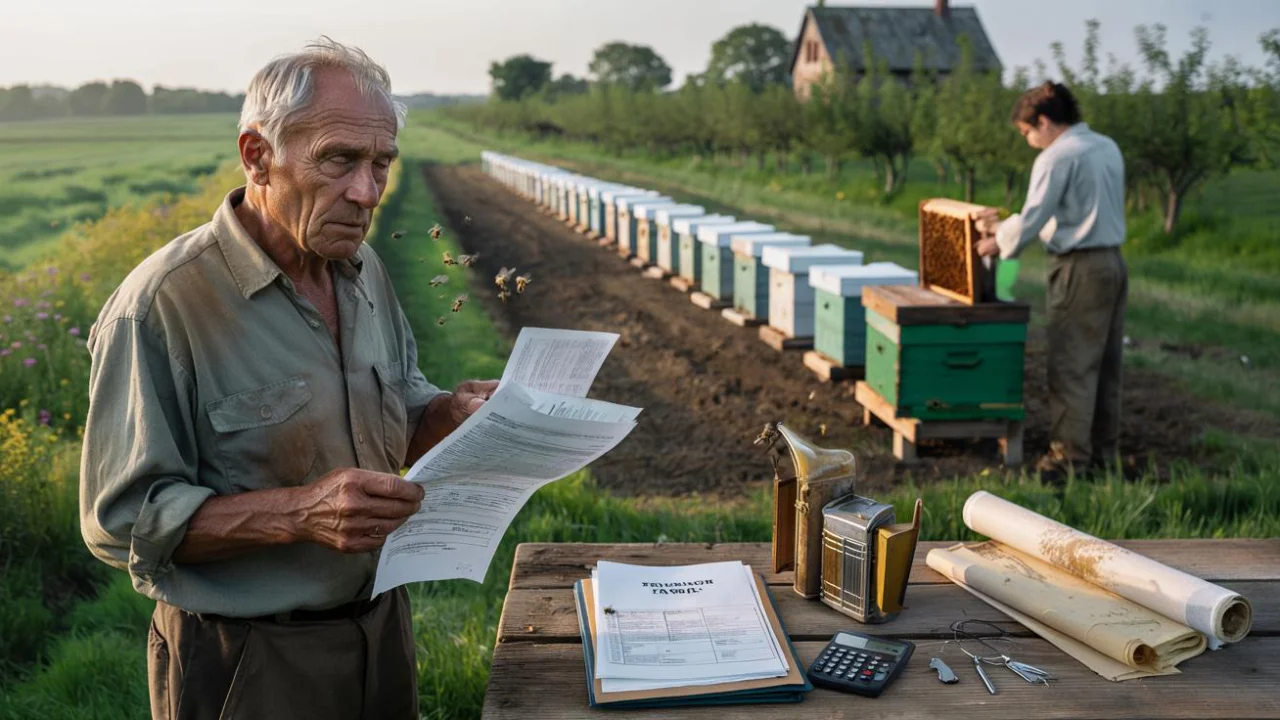
Margaret opened the brown envelope with shaking hands, expecting her usual property tax bill. Instead, she found a farmland tax notice demanding thousands more than she’d ever paid before. The 68-year-old retiree stared at the official letterhead in disbelief. All she’d done was let her neighbor’s grandson place some beehives on her unused back field as a favor.
What started as a simple act of kindness—helping a young beekeeper get his small business off the ground—had somehow triggered a tax reassessment that threatened to drain her modest retirement savings. Margaret’s story isn’t unique. Across rural communities, well-meaning landowners are discovering that generosity can have expensive legal consequences.
The path from good deed to financial nightmare often begins with the best intentions and ends with tax authorities, legal disputes, and relationships destroyed over paperwork no one saw coming.
How a handshake deal triggered bureaucratic chaos
Margaret’s troubles began when 22-year-old Jake knocked on her door last spring. His family’s small beekeeping operation needed space, and Margaret’s two-acre field had been sitting empty since she retired from teaching. The deal seemed perfect—Jake would maintain healthy bee colonies, Margaret would support local agriculture, and everyone would benefit from increased pollination.
No money changed hands. Jake left jars of honey on Margaret’s porch and helped with small yard tasks. Both assumed their informal arrangement was too small and friendly to attract official attention.
“I thought we were just neighbors helping each other,” Margaret recalls. “I never imagined that letting someone put boxes on my unused land would make the government think I was running a farm.”
But tax assessors don’t distinguish between formal business arrangements and neighborly favors. When aerial surveys and local inspections revealed commercial beehives on Margaret’s property, her land was automatically reclassified. The empty field that had been taxed as unused residential property suddenly became “productive agricultural land” subject to different rules and higher rates.
The hidden legal traps in farmland arrangements
Margaret’s farmland tax notice revealed how quickly informal agreements can create serious legal problems. Here are the key issues that caught her off guard:
- Property reclassification: Any commercial activity can trigger reassessment of land use categories
- Undeclared income assumptions: Tax authorities may assume free arrangements hide unreported payments
- Liability concerns: Landowners become responsible for activities they don’t control
- Insurance gaps: Standard homeowner policies may not cover commercial agricultural activities
- Zoning violations: Residential properties may not be zoned for agricultural business use
The following table shows how different land uses affect tax obligations:
| Land Use Category | Tax Rate | Additional Requirements | Liability Risk |
|---|---|---|---|
| Unused Residential | Standard property tax | None | Low |
| Agricultural Lease | Higher rate + income tax | Business registration | Medium |
| Commercial Partnership | Business tax rates | Full business compliance | High |
| Informal Arrangement | Unpredictable assessment | Potential legal challenges | Very High |
“The problem is that good intentions don’t translate into legal protection,” explains rural law attorney David Chen. “When tax authorities see commercial activity on private land, they assume there’s a business relationship, regardless of what the parties intended.”
When neighbors become legal adversaries
The farmland tax notice was just the beginning of Margaret’s problems. When she asked Jake to help cover the unexpected costs, their friendly arrangement turned hostile. Jake argued he’d provided free labor and honey, while Margaret pointed to her rising tax bills and potential legal exposure.
Their dispute highlights a common pattern: informal agreements work fine until something goes wrong. Without written contracts specifying responsibilities, both parties feel betrayed when problems arise.
Margaret discovered additional complications she’d never considered. Her homeowner’s insurance didn’t cover injuries related to commercial beekeeping activities. If someone got stung and had a severe allergic reaction on her property, she could face personal liability.
Local zoning officials also took notice. Margaret’s residential property wasn’t approved for agricultural business use. The township issued violation notices and demanded she either legalize the arrangement through proper permits or remove the hives immediately.
“I just wanted to help bees and support a young person’s dream,” Margaret says. “Now I’m dealing with lawyers, tax appeals, and neighbors who think I’m greedy for asking Jake to share the costs he created.”
The real cost of unwritten agreements
Margaret’s experience reflects broader trends affecting rural landowners nationwide. As small agricultural businesses seek affordable land access, property owners face increasing pressure to provide informal arrangements. But the legal and financial risks often outweigh the community benefits.
Property law expert Sarah Rodriguez sees these cases regularly. “Landowners think they’re being generous, but they’re actually taking on business risks without business protections. When things go wrong, the property owner typically bears the greatest financial exposure.”
The financial impact extends beyond immediate tax increases. Margaret’s property now carries a history of commercial agricultural use, which could affect future sales, refinancing, or estate planning. Even after removing the beehives, her land classification may remain changed for years.
Insurance costs have also risen. Margaret had to purchase additional liability coverage and agricultural endorsements to protect against risks she never anticipated when she agreed to help Jake.
Some communities are developing alternative solutions. Formal land-sharing agreements, cooperative insurance programs, and municipal beekeeping initiatives provide legal frameworks for supporting local agriculture without exposing individual landowners to unexpected costs.
“The answer isn’t to stop helping each other,” Rodriguez notes. “It’s to help each other intelligently, with proper legal protection for everyone involved.”
Margaret eventually resolved her situation through a combination of tax appeals, formal agreements, and compromise with Jake. But the process took eighteen months, cost thousands in legal fees, and permanently changed her relationship with both her property and her community.
Her advice to other landowners considering similar arrangements is simple: “Get everything in writing, talk to a lawyer first, and never assume that doing good means avoiding legal consequences. Generosity is wonderful, but protection is essential.”
FAQs
Can letting someone use my land for free trigger tax problems?
Yes, even free arrangements can cause property reclassification and higher taxes if they involve commercial activities like farming or beekeeping.
Do I need insurance for activities I don’t profit from?
Absolutely. You remain liable for injuries and damages occurring on your property, regardless of whether you receive payment from the activity.
How can I help local farmers without legal risks?
Create written agreements specifying responsibilities, obtain proper insurance, check zoning requirements, and consult an attorney before allowing any commercial use.
What should I do if I receive an unexpected farmland tax notice?
Contact a tax attorney immediately to understand your appeal rights and options for resolving the classification issue.
Are verbal agreements legally binding for land use?
Verbal agreements may be legally binding but are difficult to enforce and provide no protection against unintended consequences like tax reassessments.
How long does land reclassification affect my property?
Changes to land use classification can remain on official records for several years and may affect property values, refinancing, and future development options.


