
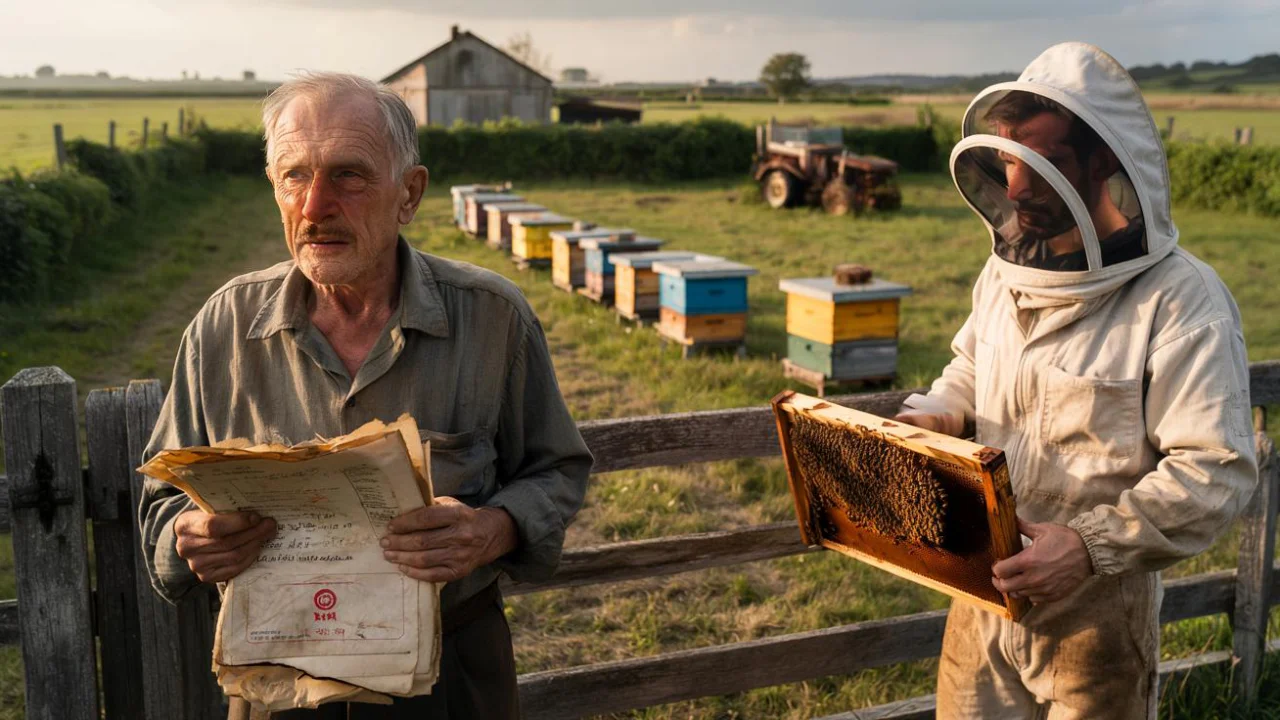
Margaret’s voice shakes as she holds the official letter. At seventy-three, she thought her biggest worry would be choosing which flowers to plant this spring. Instead, she’s staring at a bill for €2,400 in agricultural tax contributions.
Her crime? Letting her neighbor’s grandson keep three beehives on the corner of her property. No rent. No profit. Just an old woman trying to help a young man starting his beekeeping business. “I’ve never even tasted his honey,” she whispers, clutching her pension statement with the other hand.
Margaret’s story isn’t unique. Across rural communities, retirees are discovering that kindness comes with an unexpected price tag, and the agricultural tax system doesn’t distinguish between helping neighbors and running profitable farms.
How Good Intentions Became Tax Nightmares
The agricultural tax trap catches unsuspecting retirees through a simple mechanism: any land used for farming activities triggers professional farmer classifications, regardless of who benefits financially. When Martha lends her unused field to a young shepherd, or when Robert allows a beekeeper to place hives on his property, the system sees agricultural activity and demands payment.
“We’re seeing dozens of these cases every month,” explains rural legal advisor Patricia Williams. “Retirees who never earned a penny from farming suddenly receive bills that can eat up 20% of their annual pension.”
The problem stems from outdated regulations designed when most landowners were active farmers. Today’s reality is different. Many retirees own small parcels of inherited land they can’t work themselves but don’t want to sell. These informal arrangements with young farmers seemed like perfect solutions until the tax bills arrived.
The bureaucratic logic is ruthlessly simple: land + agricultural activity = professional farmer status. The computer systems processing these classifications don’t account for motivation, profit, or actual involvement. They simply match property records with agricultural use reports and generate contribution demands.
The Hidden Costs of Rural Solidarity
The financial impact varies dramatically based on property size and regional rates, but the pattern remains consistent across different areas:
| Land Size | Annual Agricultural Tax | Average Monthly Pension Impact |
|---|---|---|
| Under 1 hectare | €800-1,200 | €65-100 |
| 1-3 hectares | €1,500-2,800 | €125-235 |
| 3-5 hectares | €2,800-4,500 | €235-375 |
| Over 5 hectares | €4,500+ | €375+ |
These numbers represent crushing burdens for people living on fixed incomes. Rural pension advocate James Morrison notes: “We’re forcing elderly people to choose between helping young farmers and paying for their medications. That’s not a choice anyone should have to make.”
The psychological toll proves equally devastating. Many retirees report feeling betrayed by a system they supported their entire working lives. Others describe shame at being labeled “tax evaders” when they were simply being neighborly.
Young farmers caught in these situations face their own dilemmas. Some have been forced to relocate their operations, abandoning arrangements that benefited both parties. Others watch helplessly as their elderly neighbors struggle with unexpected financial burdens.
Who Really Bears the Cost of Community Support?
The agricultural tax controversy exposes deeper questions about rural community values and bureaucratic inflexibility. These informal land-sharing arrangements traditionally formed the backbone of rural economies, allowing young farmers to start businesses without massive land purchases while helping retirees maintain their properties.
Current policy creates several problematic outcomes:
- Retirees avoid helping young farmers to prevent tax complications
- Small-scale agricultural ventures struggle to find affordable land access
- Rural communities lose traditional cooperation networks
- Administrative costs increase as more people seek legal advice and appeals
Tax policy expert Dr. Sarah Chen argues: “We’re essentially punishing the social fabric that keeps rural communities functioning. The system treats every land use as a commercial transaction, ignoring the reality of how rural life actually works.”
Some regions have begun recognizing the problem. Pilot programs in certain districts now offer “community support” exemptions for arrangements involving no monetary exchange and limited land areas. However, these initiatives remain scattered and often temporary.
The Fight for Fairer Treatment
Advocacy groups are pushing for systemic reforms that would distinguish between commercial farming and community assistance. Proposed changes include:
- Size-based exemptions for small properties under community arrangements
- Income verification requirements before applying agricultural tax rates
- Formal recognition of “neighbor assistance” agreements
- Grace periods for retirees to understand new obligations
However, progress remains slow. Agricultural tax systems generate significant revenue for local governments, creating reluctance to reduce collection rates. Meanwhile, the complexity of distinguishing legitimate community help from tax avoidance schemes concerns regulators.
“The solution isn’t to eliminate agricultural taxes,” clarifies policy researcher Mark Thompson. “We need smarter systems that recognize the difference between Margaret helping her neighbor’s bees and a commercial farming operation trying to avoid taxes.”
Until reforms arrive, rural communities continue navigating this bureaucratic maze. Some retirees reluctantly pay the bills. Others terminate helpful arrangements, leaving young farmers scrambling for alternatives. A few fight the system through appeals and legal challenges, often spending more on lawyers than the original tax bills.
The irony cuts deep: a system designed to support agricultural development now actively discourages the community cooperation that makes small-scale farming viable. Margaret still keeps those three beehives on her property, but she’s cutting her grocery budget to pay the agricultural tax. Her neighbor’s grandson knows about her sacrifice and feels guilty every time he harvests honey from her land.
This bureaucratic betrayal forces communities to question fundamental values about helping neighbors and supporting local agriculture, while struggling retirees shoulder costs they never expected and young farmers lose crucial support networks.
FAQs
Can retirees avoid agricultural tax by creating written agreements stating no payment is involved?
Unfortunately, most tax systems focus on land use rather than payment arrangements, so written agreements typically don’t prevent tax obligations.
Are there size limits below which agricultural tax doesn’t apply?
Limits vary by region, but many areas apply agricultural tax to any land used for farming regardless of size.
What happens if retirees simply refuse to pay agricultural tax bills?
Non-payment can result in penalties, interest charges, and potential legal action including property liens.
Can young farmers pay the agricultural tax instead of the landowner?
Tax liability typically attaches to the property owner, though some regions allow transfer arrangements through formal lease agreements.
How long do these tax obligations continue once farming activity stops?
Most systems require formal notification when agricultural use ends, with obligations typically ceasing in the following tax year.
Are there appeal processes for retirees who receive unexpected agricultural tax bills?
Yes, most regions offer appeal procedures, though success rates vary and the process often requires legal assistance.


