
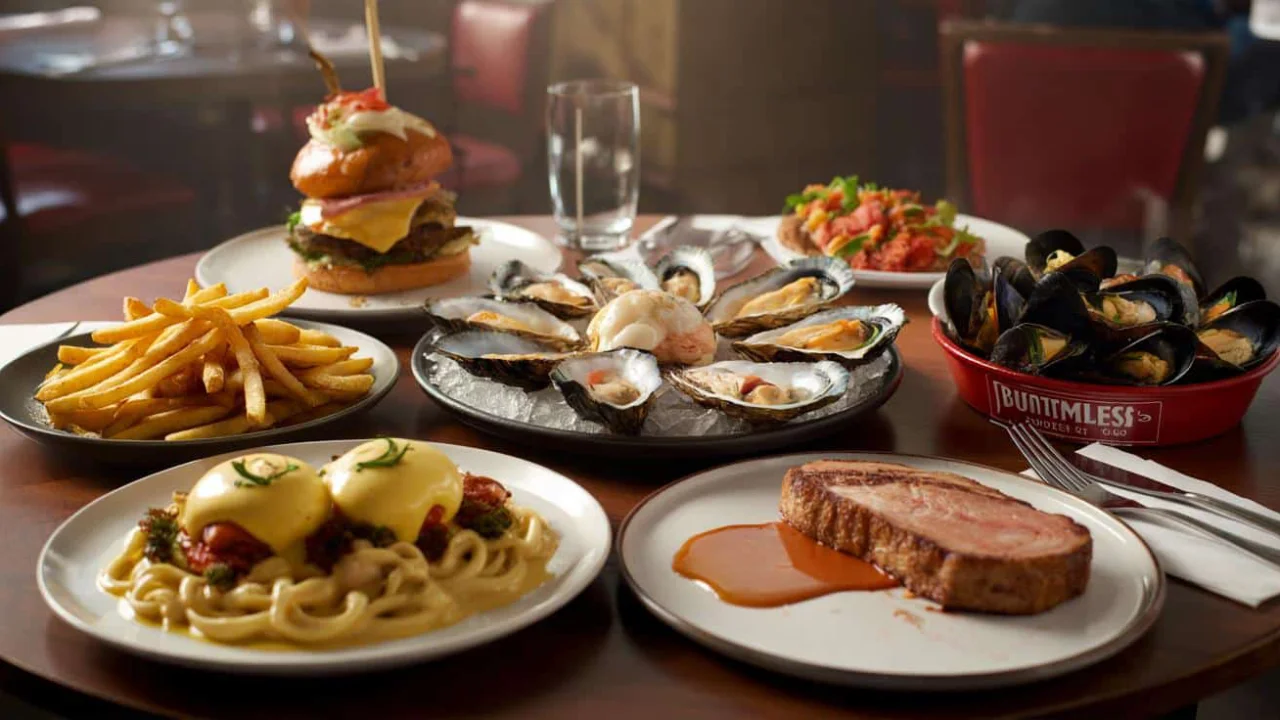
Sarah’s birthday dinner was supposed to be perfect. She’d saved up for weeks to take her family to that upscale Italian place downtown, the one with the truffle pasta everyone raved about online. But twenty minutes after her first bite, she was doubled over in the restaurant bathroom, her special night ruined.
The manager apologized profusely, comped the meal, even offered a gift card. But Sarah never went back. Later, she learned from a friend who worked in kitchens that truffle oil dishes are notorious red flags – most restaurants use synthetic truffle flavor that can upset sensitive stomachs, and the pasta often sits under heat lamps for hours.
That’s when Sarah realized she’d been dining blind for years, trusting menus without understanding what really happens behind those swinging kitchen doors.
What Professional Chefs Actually Avoid Ordering
Professional chefs have a secret language when they dine out. They scan menus like detectives, spotting warning signs that regular diners miss completely. These dishes never order restaurants decisions aren’t based on snobbery – they’re rooted in years of kitchen experience and food safety knowledge.
“I never order the special on a Sunday night,” says Marcus Rivera, executive chef at three Chicago restaurants. “Sunday specials are often Friday’s leftovers getting one last chance before the trash can.”
The pattern becomes clear once you know what to look for. Chefs avoid dishes that rely on perfect timing, expensive ingredients with high turnover, or complex preparations that corners can be cut on. These menu items often become profit centers for struggling restaurants, but quality suffers in ways most diners never realize until it’s too late.
The Red Flag Menu Items Chefs Always Skip
After talking to dozens of professional chefs, certain dishes appear on every “never order” list. Here are the ten most commonly avoided items and why they make experienced cooks nervous:
| Dish | Main Risk | Why Chefs Avoid It |
|---|---|---|
| Shellfish at landlocked restaurants | Freshness concerns | Long transport times, questionable storage |
| Eggs Benedict at busy brunch spots | Temperature danger zone | Hollandaise sits out too long, eggs pre-made |
| Truffle anything | Fake ingredients | Synthetic truffle oil, overpriced markup |
| Sushi specials on Sunday/Monday | Old fish | Weekend leftovers, no fresh deliveries |
| All-you-can-eat seafood | Quality shortcuts | Cheapest grade fish, volume over freshness |
| Daily catch when far from coast | Transportation issues | Not actually daily, frozen and thawed |
| Complex salads at steakhouses | Cross-contamination | Meat-focused kitchens handle vegetables poorly |
| Pasta with cream sauce at lunch | Reheated dairy | Made in morning, sits for hours |
| Soup of the day | Mystery ingredients | Often a way to use up old ingredients |
| Chicken Caesar salad | Double risk | Raw egg dressing plus pre-cooked chicken |
“The truffle mac and cheese at most places makes me cringe,” admits Jennifer Walsh, a James Beard-nominated chef. “Real truffles cost more than most restaurants charge for the entire dish. You’re paying premium prices for synthetic flavor and day-old pasta.”
These dishes share common traits that make experienced chefs uncomfortable. They often involve:
- Ingredients that spoil quickly but need high volume sales
- Complex preparations that slow down during rush periods
- Expensive components that restaurants substitute with cheaper alternatives
- Items that sound impressive but rely on shortcuts for profit
- Foods that require precise temperature control throughout service
Why These Restaurant Choices Matter More Than You Think
The consequences of choosing poorly go beyond just a disappointing meal. Food safety incidents spike during busy periods when these risky dishes get rushed through kitchens. Temperature abuse, cross-contamination, and ingredient substitutions become more likely when restaurants push high-risk items.
“I’ve seen too many people get sick from eggs Benedict at Sunday brunch,” explains Chef Rodriguez, who’s worked in hotel kitchens for fifteen years. “The hollandaise sits in a steam table for hours, and eggs get poached in advance. It’s a perfect storm for foodborne illness.”
Beyond safety concerns, these dishes never order restaurants often represent poor value. You’re paying premium prices for inferior ingredients or preparation shortcuts. That $28 truffle pasta might cost the restaurant $4 to make with synthetic oil and pre-cooked noodles.
Smart diners learn to read between the menu lines. They ask questions about preparation, inquire about freshness, and choose dishes that play to each restaurant’s strengths. A great steakhouse probably excels at meat but struggles with delicate fish preparations. A sushi bar might serve incredible raw fish but falter on cooked dishes.
The key is understanding that menus aren’t just lists of available food – they’re business documents designed to maximize profit. Some dishes generate healthy margins through quality ingredients and skilled preparation. Others boost profits through shortcuts that experienced diners learn to avoid.
Restaurant veterans develop instincts about which items get proper attention and which ones become afterthoughts. Those instincts can save you from foodborne illness, disappointing meals, and overpriced mediocrity.
Next time you’re scanning a menu, think like a chef. Ask yourself: How fresh can this really be? Does this restaurant have the expertise to prepare this properly? Am I paying for real ingredients or clever marketing?
Your stomach and wallet will thank you for the extra caution.
FAQs
Are these dishes always unsafe to order?
Not always, but they carry higher risks due to preparation methods and ingredient handling. Quality varies significantly between restaurants.
How can I tell if a restaurant does these dishes well?
Ask your server about preparation methods, look for high turnover of these items, and observe if the restaurant specializes in that type of cuisine.
What should I order instead at restaurants?
Choose dishes that match the restaurant’s specialty, ask about daily preparations, and opt for items with high turnover rates.
Do expensive restaurants have the same problems?
High-end restaurants generally have better ingredient quality and preparation standards, but they’re not immune to these issues during busy periods.
Should I completely avoid these dishes?
Not necessarily, but be selective about where you order them and don’t hesitate to ask questions about freshness and preparation methods.
What’s the safest approach to restaurant dining?
Order dishes that align with the restaurant’s strengths, ask about preparation when in doubt, and trust your instincts about food quality.


