
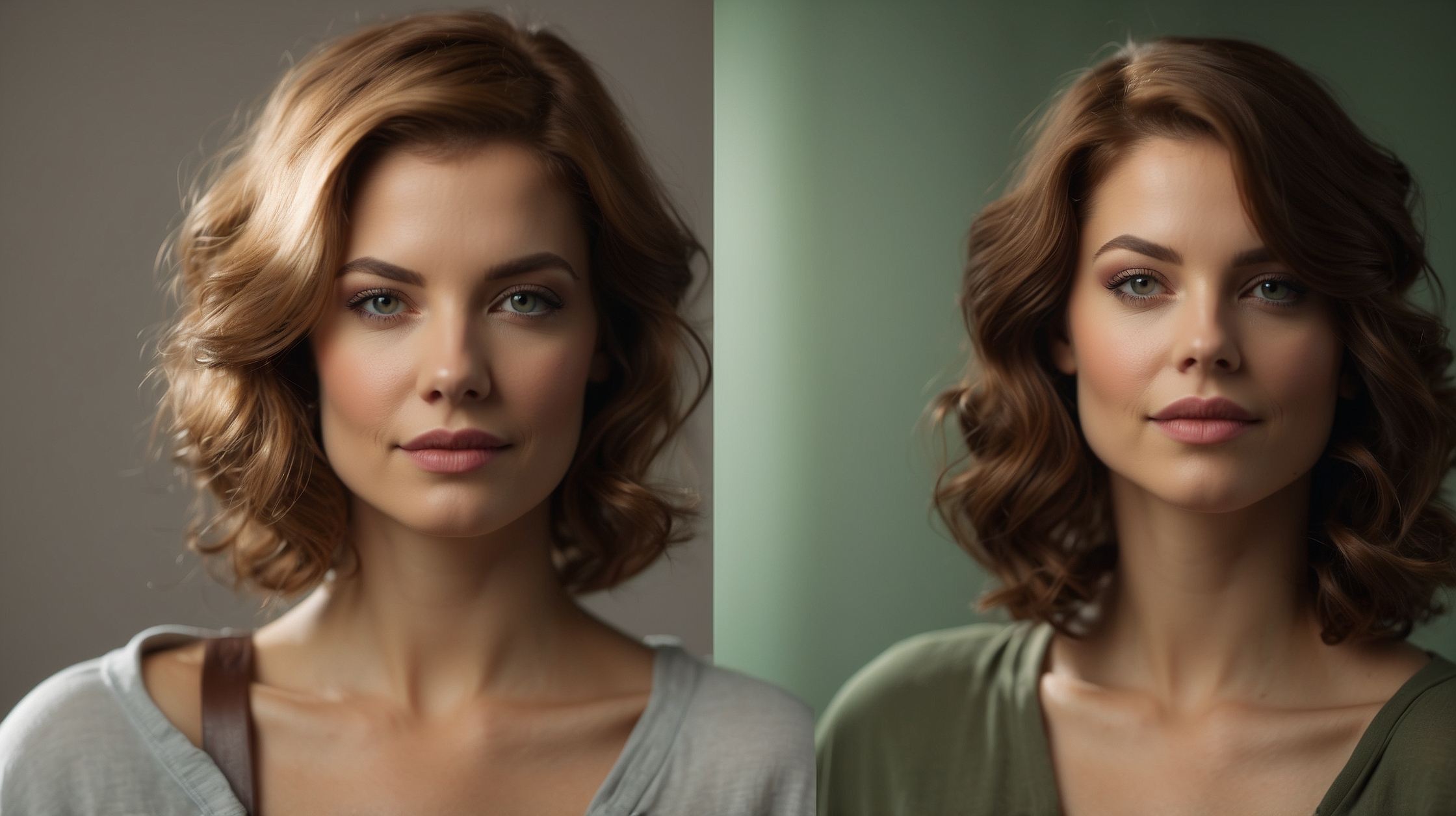
As we age, our beauty routines often evolve—but few areas are more impacted than our hairstyles. While some hair trends can elevate your look and make you feel confident and fresh, others may inadvertently add years to your appearance. Women over 50 can still experiment with style, color, and cuts; the key is choosing ones that highlight your features and reflect your vibrant personality. Unfortunately, not all looks are created equal when it comes to aging gracefully.
Whether it’s the wrong length, outdated styles, or harsh color choices, certain hair trends can diminish your natural beauty. It’s more important than ever to adjust and find flattering alternatives that not only keep you current but also rejuvenate your overall appearance. This guide reveals the hair mistakes to avoid after 50—and what to try instead for a modern and age-defying update.
Quick overview of hair trends to avoid after 50
| Hair Trend | Why It Ages You | Alternative to Try |
|---|---|---|
| Long, Heavy Hair | Drags down features and emphasizes sagging | Soft layers or shoulder-length styles |
| Dark Monochrome Color | Accentuates fine lines and dulls complexion | Multi-tone highlights or lighter shades |
| Overly Voluminous Styles | Looks dated and unnatural | Modern soft volume or textured cuts |
| Straight Flat Ironed Hair | Leaves hair limp and unflattering | Bouncy curls or waves for vitality |
| Boxy or Stiff Cuts | Emphasizes harsh angles and lacks movement | Feathered or layered soft styles |
Long, heavy hair that drags the face downward
While many women love the idea of maintaining long hair past 50, *extra-long, heavy styles* can tug your features down and exaggerate loss of elasticity in the face and neck area. This puts focus on areas you might want to soften, rather than highlight. Additionally, thick, long hair often lacks mobility, making your overall appearance look more rigid and less youthful.
What works better? *Shoulder-length cuts with soft layers* are the sweet spot. They add lift and movement while keeping enough length for styling versatility. Layers around the face can also act as a contour, drawing attention upward and creating a more vibrant impression.
Layers with movement recreate bounce and softness, which brightens the face.
— Jane Markham, Celebrity Hairstylist
Black or dark monochrome colors that harshen your features
As we age, our skin tone generally becomes lighter and less vibrant. *Sticking with stark, all-over dark colors—especially jet black or deep brown—can wash you out.* Instead of the edgy or elegant look darker hues may have given you in your 30s, after 50 they might highlight dark circles and fine lines rather than disguise them.
This is where tone and dimension become key. *Lighter brown shades, subtle highlights, or a dimensional balayage* can soften the overall aesthetic and enhance your natural glow. These allow light to reflect off the hair’s surface, giving you a fresher and more radiant look.
Dimensional tones counteract dullness and create a youthful shine that flat color simply can’t.
— Rafael Cortez, Master Colorist
Excessive volume reminiscent of older decades
Big, round-volume hairstyles—you know the ones, piled high and locked into place with hairspray—were glamorous in the ’80s and early ’90s. But bringing back these styles often creates a *dated and artificial appearance* for anyone over 50. They can also appear overwhelming on smaller or petite frames, especially when modern cuts are favoring more natural silhouettes.
Today’s youthful volume is all about *effortless body and texture*. Consider gentle waves, curtain bangs, or diffused volume that frames your face without looking overdone. The goal is to add lift at the roots, not overinflate every strand.
Less is more when it comes to volume—it should enhance the hair, not take over the whole look.
— Trisha Yoon, Hair Trend Analyst
Pin-straight, flat-ironed styles that lag energy
A pin-straight hairstyle may have been your go-to for its sleekness, but post-50 it runs the risk of making hair look *limp, flat, and lifeless.* Gravity takes its toll over the years, and hair naturally thins for most women. While a flat iron can make hair appear smooth, it also removes the essential bounce and movement that gives a youthful look.
Instead, steer toward styles that introduce texture. *Loose curls, soft waves, or air-dried movement* can give life to your hair and frame the face without harsh lines. Bonus: softer styles are often less damaging than constant heat straightening.
Boxy or overly rigid cuts that lack softness
Structured, blunt haircuts like straight bobs or blocky pixies used to make a bold fashion statement. But when we hit midlife, these cuts can *emphasize angles, harden facial features, and remove any fluidity from your look.* They may also fail to flatter areas where skin may be looser or less firm.
Try gently feathered layers, multi-directional styling, or subtle asymmetry. These approaches give hair a *livelier, more natural flow*—enhancing the underlying facial structure rather than confronting it. The softer the edges and lines, the younger you’ll tend to look.
Movement is magic for mature hairstyles—it brings the cut to life and softens everything around it.
— Carlos Delrey, Veteran Hair Stylist
Winners and losers of hair trends after 50
| Winners | Losers |
|---|---|
| Soft shoulder-length cuts with layers | Extra-long, thick, heavy hair |
| Multi-dimensional hair color | Flat, jet-black dyes or dark solids |
| Natural body and wave | Flat-ironed or over-volumized hair |
| Feathered and face-framing styles | Boxy, geometric cuts |
Short hairstyle ideas that enhance features
If you’re ready for a major change, *shorter haircuts can provide instant refreshment.* A classic bob with side-swept bangs brings sophistication, while a pixie with volume at the crown lifts the entire face. Longer pixie styles with slightly tousled edges can also create that elusive “effortless chic” look. The trick is giving motion and life to the structure rather than boxing it in.
The importance of texture and movement
Introducing texture—through layers, curls, or strategic styling—can *create the illusion of thicker, more robust hair* while also catching and reflecting more light. Even simple updates like adding beachy waves or layering around the crown can reinvigorate tired styles. The more movement your hairstyle has, the younger and more engaged it feels overall.
Choosing hairstyles that mirror your lifestyle
Your hairstyle should echo who you are now. Whether you’re an active grandmother, a globe-trotter, or a business owner stepping into her prime, your hair should tell your story. Choose styles that match not just your face shape—but your energy level and day-to-day routine. Low maintenance doesn’t have to mean low style. Consult with a stylist who truly listens to your vision, lifestyle, and concerns.
FAQs about flattering hairstyles after 50
What is the most flattering hair length for women over 50?
Shoulder-length or slightly shorter with layers tends to be the most flattering, as it elevates facial features and offers versatility without overwhelming your facial structure.
Are bangs a good idea for women over 50?
Yes, soft bangs like curtain or side-swept ones can hide forehead lines and add softness. Avoid thick, blunt bangs, which can be too harsh and create a blocky look.
How often should I color my hair after 50?
It depends on your natural growth rate and desired hair color. Most women touch up every 4 to 6 weeks, but low-maintenance balayage or highlights may extend that to 8 weeks.
Is gray hair aging?
Not necessarily. Embracing gray can look sophisticated, especially when styled well. The key is to keep the hair healthy, shiny, and styled with intention.
Which haircuts add volume to thinning hair?
Layered pixies, tousled bobs, and choppy cuts all enhance volume. Root lifts and subtle waves also create the illusion of fuller hair.
Should women over 50 avoid long hair?
Not at all, but it should be layered and well-maintained. Heavy, unlayered long hair can age you, while textured long styles can still be youthful.
What colors are most youthful after age 50?
Softer tones, including caramel, honey, warm light brown, and blended grays, lend a more youthful appearance than harsh blacks or reds.
Can I still wear trendy hairstyles in my 50s?
Absolutely. The key is adapting trends to fit your features, lifestyle, and comfort level. Think of classic styles with a contemporary twist.


