
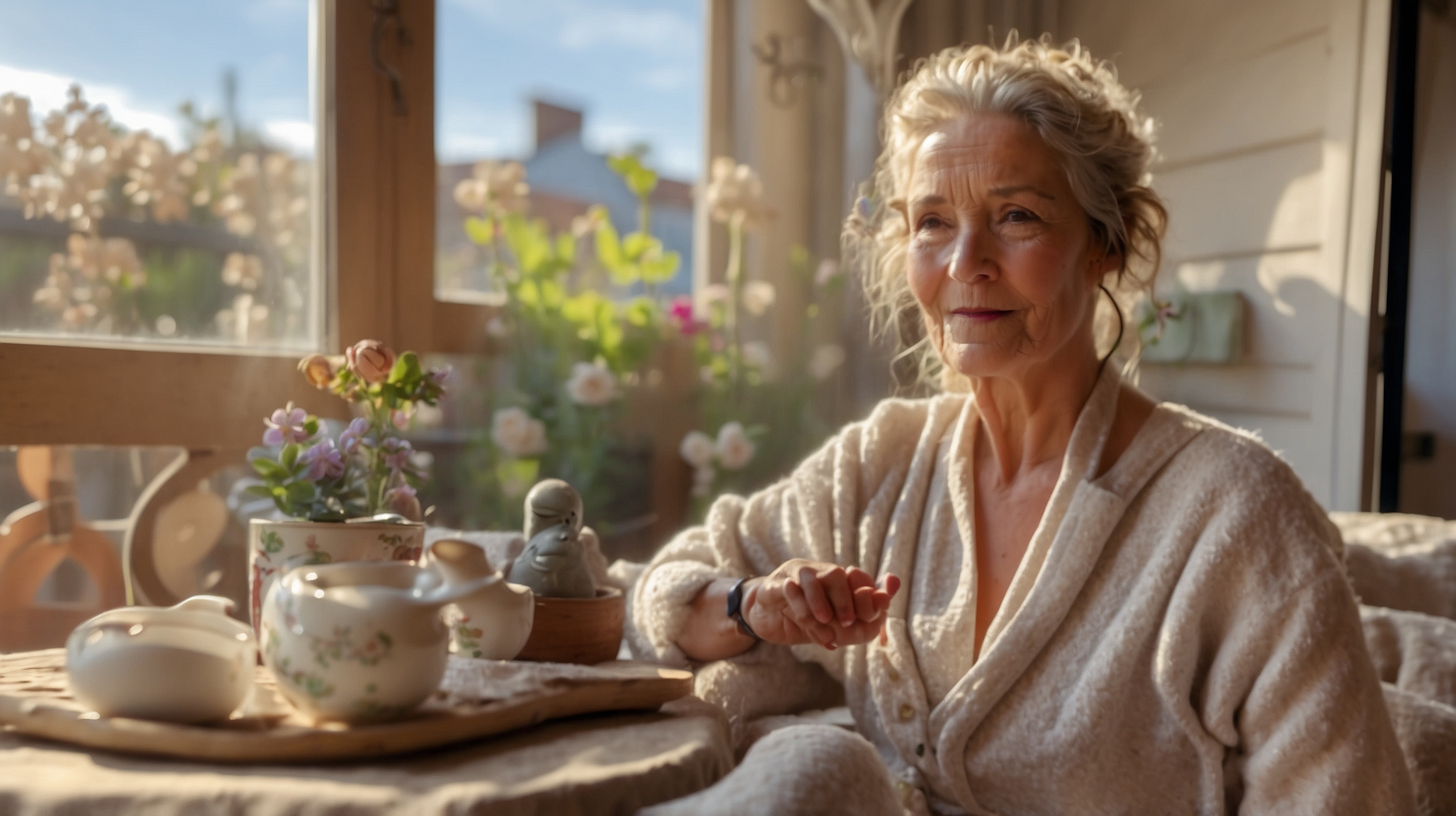
Living a long and fulfilling life isn’t just about genetics—it’s often about the daily habits we build and maintain. Meet a 100-year-old woman whose lifestyle is turning heads and inspiring wellness conversations across generations. Still active, independent, and mentally sharp, she credits her longevity to a combination of consistent routines, self-care disciplines, and mindset practices that anyone can begin applying today. Her life is a living testament to the power of intentional living, and her story offers valuable insight into aging gracefully and maintaining autonomy even into the triple digits.
In a world where many older adults depend on assistance for day-to-day tasks, this centenarian serves as a beacon of hope and possibility. From her morning routines to evening reflections, everything she does is part of a mindful lifestyle geared toward staying both mentally and physically strong. If you’re looking to optimize your health or simply want to pick up habits that help preserve your independence as you age, her daily rituals are worth taking note of. Here’s a comprehensive look at how her choices can inform and inspire your wellness journey.
Quick Overview of Her Longevity Lifestyle
| Element | Details |
|---|---|
| Age | 100 years old |
| Key to Longevity | Routine, positive attitude, physical activity, balanced meals |
| Daily Exercise | Gentle stretching, walking, and occasional gardening |
| Diet | Home-cooked meals with plenty of vegetables and lean proteins |
| Sleep Habits | Consistent bedtime; wakes up early without an alarm |
| Mental Health | Reading, crosswords, and regular social interactions |
The power of a consistent daily routine
One of the standout habits this centenarian credits for her sustained independence is sticking to a structured daily routine. She starts every day the same way: awakening early, making her bed, and doing simple stretches before breakfast. This rhythm not only encourages physical activity but also strengthens mental resilience. Predictability and habit-forming schedules help keep both body and brain engaged and aligned, minimizing the risk of cognitive decline over time.
After breakfast, she dedicates time to reading newspapers and doing crossword puzzles, stimulating her brain while enjoying a quiet morning. Later in the day, she usually goes for a short walk, showing that even moderate physical exercise can greatly impact longevity and mobility. The day ends with a light, early dinner and a consistent nighttime routine that emphasizes reflection and calming activities, including journaling and listening to music.
Fueling the body with simple, whole foods
While many modern diets rely on packaged, convenience foods, this 100-year-old stays close to traditions by eating home-cooked meals made from scratch. Her plate typically features fresh vegetables, lean proteins like fish and poultry, and whole grains. Her relationship with food is mindful and moderate—eating until satisfied rather than full and drinking plenty of water throughout the day.
Notably, she avoids sugary snacks and processed foods, only occasionally indulging in baking with grandchildren, treating these moments as joys rather than routine habits. This balanced approach to nutrition plays a key role in her sustained energy levels and overall agility.
“I’ve always believed what you put into your body matters. Whole foods and moderation have been my silent doctors.”
—Placeholder, Centenarian
Staying physically active without overexertion
You don’t need to run marathons to stay fit in your later years. This inspiring woman shows how low-impact physical activities such as daily walking, light gardening, and stretching can support bone health, muscle tone, and coordination. These activities not only maintain her physical condition but also serve as important contributors to her independence.
She also adapts her exercises to match her energy levels, a critical lesson for aging adults. Knowing your body’s limits and respecting them ensures safer movement while preventing injuries or burnout.
How social connections keep her sharp and happy
Beyond the physical realm, her robust social life is a pillar of longevity. Whether it’s sharing meals with family, calling an old friend, or chatting with a neighbor during her walk, she prioritizes connection. Studies have consistently shown that social interaction can help lower the risk of dementia and combat feelings of depression that often accompany aging.
Regular interaction also offers emotional enrichment. Maintaining a vast social network may enhance communication skills, stimulate thought processes, and bring purpose to daily life—a fact her joyful demeanor clearly supports.
“People think aging means slowing down, but I’ve found that staying connected is what keeps you going.”
—Placeholder, Centenarian
The importance of mental agility and hobbies
Another non-negotiable in her daily life is mental stimulation. Every day includes activities that challenge her brain—be it crossword puzzles, reading novels, or occasionally sketching pictures from memory. These hobbies aren’t just for entertainment; they’re vital tools in maintaining her cognitive function and promoting a sense of accomplishment.
She also keeps herself curious and informed by tuning into public discussions and reading biographies of influential people. “If your mind doesn’t move, neither will your body,” she jokes, but the science backs up her wisdom. Regular mental activity is strongly associated with delayed cognitive decline.
Faith, gratitude, and purpose in aging
Her longevity isn’t just physical—it’s spiritual and emotional too. A deep sense of purpose and gratitude has played an enduring role in her independence. She begins each morning with a prayer or an affirmation and ends it by listing three things she’s grateful for. This mindset helps her face each day with positivity and resilience, no matter what comes her way.
Belonging to a community organization and volunteering with local charities allows her to feel useful and involved. Giving back has been her motivational force and key to maintaining a spirit of youthfulness, even at 100.
“As long as I’m helping others, I feel there’s more life to live.”
—Placeholder, Centenarian
Developing habits that promote longevity
Her life offers a guideline for cultivating habits that not only support physical health, but also emotional balance. Whether you’re in your 30s or approaching retirement, adopting some or all of her rituals could lay a stronger foundation for your future. The best part? These practices don’t rely on expensive interventions or specialized training. They’re simple, sustainable, and accessible to all.
The secret ingredient seems to be consistency over perfection—doing small tasks daily that accumulate over time to produce meaningful results. As we examine her path, one thing becomes clear: aging isn’t a decline, but rather a journey—one that can remain rich and self-reliant with the right habits in place.
Frequently Asked Questions
What time does she usually wake up?
She typically wakes up around 6:30 a.m. without the use of an alarm clock.
What kind of meals does she eat for breakfast?
Her breakfasts often include oatmeal, fruit, and a cup of herbal tea.
Does she still live alone?
Yes, she continues to live independently in her own home.
How does she stay mentally active?
She reads, does crossword puzzles, and occasionally sketches or journals.
Is exercise a regular part of her routine?
Yes, light walking, stretching, and gardening are daily activities.
Does she take any supplements?
She maintains a balanced diet and takes only essential vitamins as recommended by her physician.
What’s one habit she swears by?
Being consistent with her morning and nighttime routines, including reflection and movement.
How does she maintain social connections?
She frequently talks to friends and family, participates in community activities, and volunteers.


