
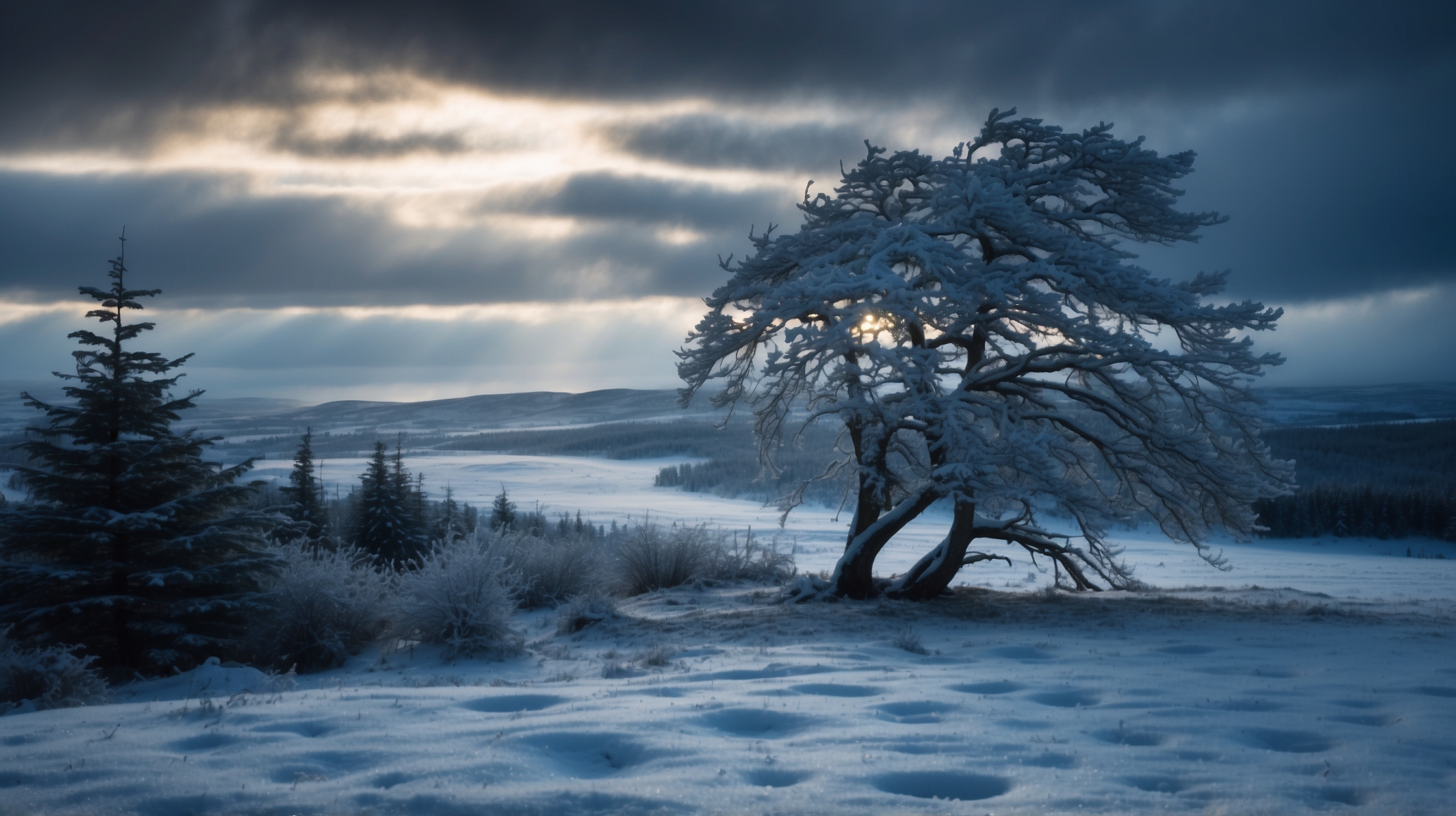
As the heart of winter sets in across the Northern Hemisphere, recent meteorological patterns indicate that the **polar vortex**—a vast area of low pressure and cold air surrounding the poles—might be undergoing a significant shift. This development carries potential to profoundly impact weather patterns across North America, Europe, and parts of Asia during February. Meteorologists are closely monitoring signals that suggest the upper atmosphere is transitioning in ways that could unleash more **extreme winter weather** in the coming weeks.
The polar vortex is not new, but disruptions to its structure—particularly from sudden stratospheric warmings (SSW)—can lead to powerful cold air outbreaks in the mid-latitudes. This winter, multiple high-pressure domes and unusual jet stream behavior have created conditions ripe for such a disruption. If the vortex weakens or splits, areas that have enjoyed relatively mild winter conditions may suddenly face **arctic blasts, snowstorms**, and persistent cold, while others could see unusual warming.
Polar Vortex Shift: February Weather Overview
| Key Event | Possible Polar Vortex Disruption in February 2024 |
|---|---|
| Primary Cause | Sudden Stratospheric Warming (SSW) |
| Expected Impacted Regions | North America, Northern Europe, East Asia |
| Possible Weather Outcomes | Colder Temperatures, Snowstorms, Arctic Outbreaks |
| Typical Duration | 2–6 weeks following disruption |
What is the polar vortex and why does it matter?
The **polar vortex** is a naturally occurring circulation of strong upper-level winds that keep bitterly cold air locked near the polar regions. This zone of persistent low pressure contains some of the coldest temperatures found anywhere on Earth. However, when disrupted, the vortex can weaken and meander, allowing arctic air to spill southward into more temperate zones, including the **Midwest, Northeast, and parts of Europe**. These displacements cause sharp drops in temperature and increased chances of **heavy snowfall or icy conditions** in areas unaccustomed to such extremes.
The importance of tracking the polar vortex lies in its considerable reach and striking timing. Its effects can be abrupt and long-lasting, influencing agricultural cycles, public health (from cold-related illnesses), energy demand, air travel, and more. Understanding early warning signs of a vortex shift allows communities to prepare for an imminent change in **weather severity** and impact.
What changed this year
The 2023–2024 winter began with an influential **El Niño** pattern, which usually brings warmer, wetter conditions for many North American regions. However, the polar stratospheric activity now seems to be counteract El Niño’s warming influence. Atmospheric scientists have observed a brewing **sudden stratospheric warming** event—essentially, a dramatic spike in temperature high above the Arctic Circle—which often causes the polar vortex to lose its structural integrity.
Such events tend to happen around once every two winters and are well-known for altering jet stream configurations. The disruption allows **cold Arctic air to descend** much farther south than it typically does. Current diagnostic indicators suggest the vortex may soon elongate or even split, scenarios historically linked to major cold outbreaks in North America and Eurasia.
Who may experience the biggest changes
While no two vortex shifts are ever completely identical, historical data provides clues to identify the likely **winners and losers** of the changing pattern. Some regions could experience shorter cold season durations or rebounds to warmth, while others may face extended icy weather.
| Winners | Losers |
|---|---|
| Southeastern U.S. (milder temps) | Northeastern U.S. (increase in cold/snow) |
| Southern Europe (drier, warmer spells) | Northern Europe (blizzards, cold snaps) |
| Pacific Northwest (reduced snowfall) | Midwest U.S. (arctic outbreaks) |
Expected timing and severity
If current stratospheric projections hold, February is poised to see **several cold air outbreaks** across major population centers. Initial phases may begin subtly, with slight temperature drops and unsettled weather. But within one to two weeks post-onset, expect more defined changes: plunging temperatures, active storm tracks, and a **renewed threat of ice and snow events** across interior plains, Appalachian regions, and the New England corridor.
The full impact often unfolds in waves, with some breaks of milder weather, as the jet stream establishes new blocking patterns. While forecasting the exact severity of each weather system remains difficult, analog years—such as 2018 and 2014—offer a chilling precedent. In both cases, stratospheric shifts via sudden warmings led to **record-breaking lows and snow totals**.
What experts are monitoring right now
Meteorologists and climate scientists are zeroed in on upper-atmosphere temperatures, wind velocity near the pole, and tropospheric interactions that might serve as catalysts for major change. They’re also watching the strength of the **high-pressure ridges** building over the Barents and Scandinavian regions—classic precursors to a destabilized vortex.
“The setup is showing some textbook signs of a classic disruptive event. We’re not predicting a polar vortex split yet—but if these patterns persist through mid-January, it becomes increasingly likely.”
— Dr. Elena Roberts, Atmospheric Dynamics Researcher
“The 10-millibar temperature spike over the pole is one of the most significant we’ve observed in recent years this early. That energy almost always filters down to affect surface weather dramatically.”
— Mark Winston, Senior Meteorologist
Tips to prepare for a colder February
Though not all areas will be equally affected, residents in traditionally susceptible zones should take precautions. Here are measures to enhance safety and readiness:
- Check your heating system early and ensure insulation is functional.
- Stock up on essentials like batteries, food, and water in case of snowy road closures.
- Monitor local forecasts daily to identify sudden storm warnings.
- Reinforce cold-weather clothing supplies and outdoor gear for commuting or emergencies.
- Backup energy sources such as generators should be tested and prepared if possible.
The bigger climate connection
Climate variability plays a pivotal role in polar vortex behavior. While some years bring cohesion and containment of Arctic air, others facilitate its redistribution across more southerly latitudes. The intersection of oceanic conditions—particularly **Arctic sea ice loss**, warmer oceans, and elevated greenhouse gas concentrations—can alter traditional patterns. Some climatologists suggest that climate change, paradoxically, may drive increasing instability in polar vortex configurations by affecting heat distribution and atmospheric circulation loops.
“Warming oceans and shrinking polar ice caps seem to contribute to more erratic polar vortex disruptions. It’s a dynamic area of study with complex feedback loops.”
— Dr. Nina Velasquez, Climate Systems Analyst
Short FAQs on the polar vortex shift
What exactly is a polar vortex?
The polar vortex is a large area of low pressure and cold air that circulates around the poles. It’s strongest in winter and helps trap freezing air in the Arctic region.
What causes the polar vortex to weaken or split?
Sudden warming of the stratosphere can disturb the vortex’s circulation, weakening its core and causing it to wobble or fracture, allowing cold air to escape.
Which regions are most likely to be impacted in February 2024?
Northeast and Midwest U.S., Northern Europe, and parts of East Asia could see intensified cold conditions if the vortex splits or weakens significantly.
How long does a polar vortex disruption typically last?
Effects can last several weeks, with intermittent returns of cold air and storm development depending on atmospheric feedback loops.
Is this linked to climate change?
While polar vortex events are natural, increasing evidence suggests that changes in atmospheric and oceanic conditions influenced by climate change may be increasing their frequency or intensity.
Should I be concerned about travel or school closures in February?
Depending on your location, planning for disruptions is wise. Sudden cold snaps and snow events can affect transit, schools, and work schedules.
Can polar vortex events be predicted accurately?
Meteorologists can forecast risk windows with increasing accuracy, especially by observing stratospheric changes, but exact outcomes vary from year to year.
Are energy prices likely to be affected?
Yes, colder weather can spike heating demand, potentially increasing utility costs or straining electricity grids in affected areas.


