
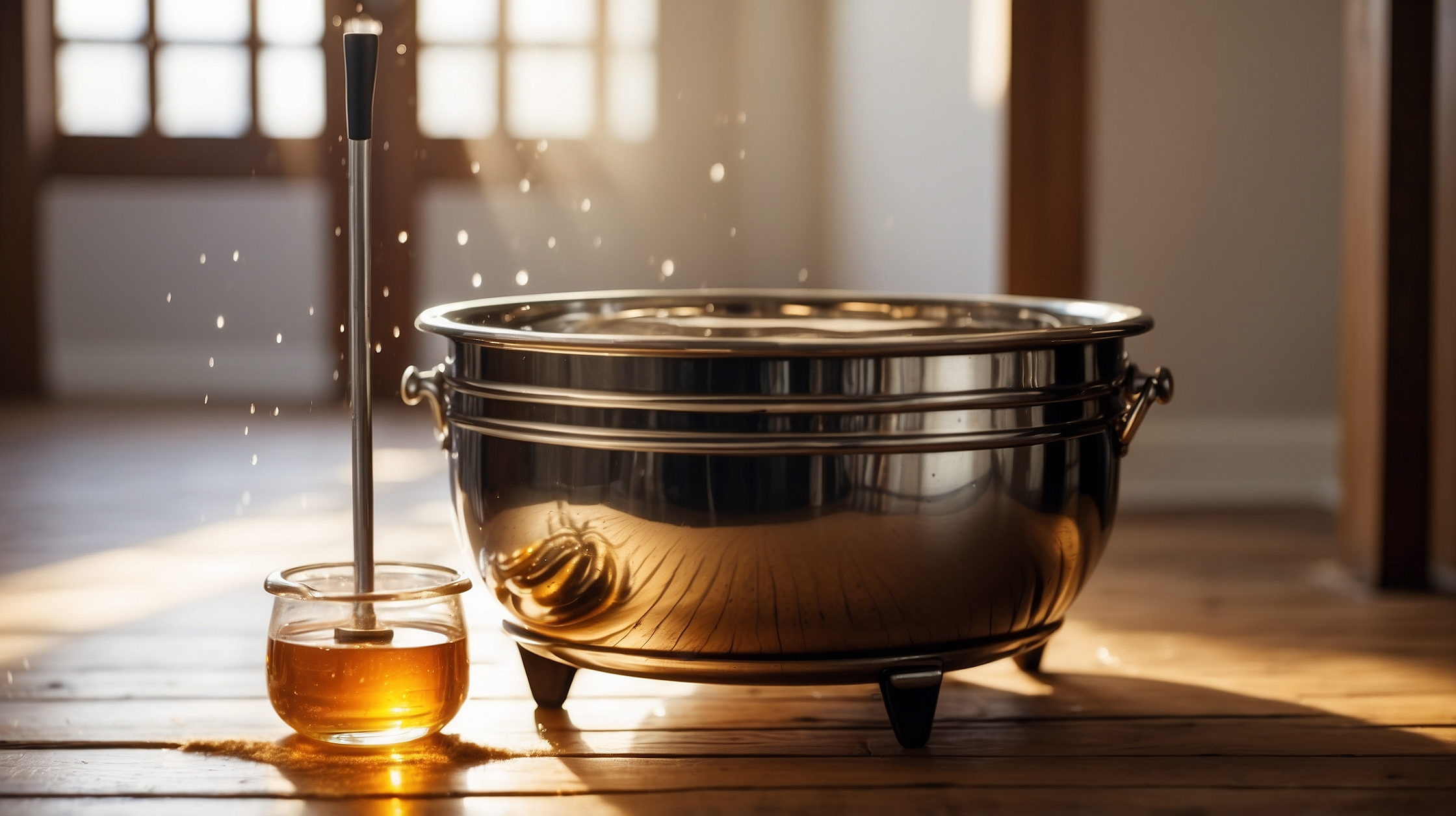
Maintaining a clean and fresh-smelling home doesn’t always require expensive products or hours of scrubbing. With just two drops of the right ingredient in your mop bucket, you can transform your entire home’s aroma — creating a refreshing scent that lingers for days. This simple cleaning hack has gone viral for a reason: it’s easy, affordable, and it works. Whether you’re preparing for guests or just crave a cleaner ambiance, this trick can be part of your weekly routine with minimal effort.
This method doesn’t just mask odors — it actively helps to sanitize surfaces while leaving behind a pleasant scent that transforms your floors and your mood. The secret? Essential oils. Specifically, **pure essential oils** like lavender, lemon, eucalyptus, or tea tree not only kill bacteria naturally but also leave your home smelling incredible. Plus, unlike synthetic fragrances, essential oils offer *aromatherapeutic* benefits too, helping you feel calm, energized, or relaxed — depending on the oil you use.
Homeowners who’ve already tried this method swear by its effectiveness, and for those constantly battling musty or stale floor odors, this could be a game-changer. Here’s everything you need to know to try this quick hack at home and keep your space feeling fresh for days.
Overview of the Mop Bucket Essential Oil Hack
| Primary Ingredient | Pure essential oil (e.g., lemon, eucalyptus, lavender) |
| Amount to Use | 2–3 drops per mop bucket |
| Best Surfaces For | Tile, laminate, vinyl, sealed wood floors |
| Typical Cost | $5–$15 per essential oil bottle (lasts months) |
| Fragrance Longevity | 2–4 days on average |
| Additional Benefits | Natural antibacterial properties, mood-lifting aromatherapy |
Why this floor cleaning method is trending
There’s growing awareness around reducing chemical exposure in the home. More people are seeking **non-toxic** alternatives that still deliver strong cleaning results — and this mop bucket trick checks all the boxes. Essential oils have antimicrobial, antiviral, and deodorizing properties, giving your regular floor cleaning an all-natural boost. Unlike commercial cleaners filled with synthetic perfumes or harsh bleaches, oils like lemon and eucalyptus sanitize effectively without irritating sensitive skin or eyes.
Another key reason this method is so popular? **Long-lasting fragrance**. Many floor cleaners smell good for a short while, but the scent disappears when the surface dries. Essential oil molecules are more complex and cling better to clean surfaces and air. Even just two drops can keep rooms smelling divine for up to four days — and even longer when paired with ventilation or sunlight.
We’ve seen a sharp uptick in people adding natural oils to their cleaning routines this year, especially after the seasons change and indoor scent becomes a top priority.
— Emily Hart, Senior Home & Wellness Editor
How to use essential oils in your mop bucket
The process is incredibly simple but precise. Start by filling your mop bucket with warm water. Choose an essential oil based on your scent preference or goal — lemon for freshness, lavender for calm, tea tree for antibacterial strength.
Next, add JUST two or three drops of essential oil to the bucket. Since oils are concentrated, you don’t need more than this. Stir thoroughly to distribute, then mop floors as usual.
For added cleaning power, you can also mix the oil with a cup of white vinegar or a teaspoon of dish soap before adding to the water. This improves grease-cutting and kills additional germs—great for high-traffic areas like kitchens and bathrooms.
Best essential oils for a clean-smelling home
Some essential oils are especially effective for combating lingering odors and adding freshness. Here’s a breakdown of top choices:
- Lemon: Bright, uplifting, cuts grease, and eliminates odors.
- Lavender: Calming aroma, ideal for bedrooms and living areas.
- Eucalyptus: Sharp minty freshness, also clears respiratory airways.
- Tea Tree: Strong antibacterial properties, excellent for bathrooms.
- Peppermint: Energizing scent, repels insects and pests.
Mix and match these for custom scent blends based on your mood or the time of day. A lemon-eucalyptus combo, for example, is both energizing and purifying.
Essential oils are some of nature’s best cleaning allies. Used properly, they elevate simple cleaning routines to powerful household rituals.
— Dr. Linda Zhao, Natural Cleaning Scientist
How long does the scent last?
One of the major appeals of using essential oils in a mop bucket is that the scent significantly outlasts normal cleaners. Depending on the oil and your home’s airflow, **the fragrance can remain for 2 to 4 days, sometimes more**. Warm, sunlit floors tend to hold scent longer than darker or cooler ones. For long-lasting freshness, mop twice a week and rotate between compatible oils.
Boosting the effect is easy, too. Placing open windows or fans on low speed post-cleaning spreads the aroma further. Likewise, freshly cleaned floors tend to “off-gas” the essential scents as they dry, which gently perfumes the air for hours.
Which floors does this work on?
This hack is safe for most common flooring types including:
- Tile
- Laminated hardwood
- Vinyl flooring
- Sealed wood floors
Do not use on unsealed or untreated wood, as essential oils can soak in and stain. It’s wise to patch-test in a small corner first if you’re uncertain about your surface material.
Common mistakes to avoid
Although this trick is largely foolproof, there are a few points to keep in mind:
- Don’t add too many drops – Essential oils are potent. More is not better.
- Avoid oils on sensitive floors – Stick to sealed surfaces only.
- Use pure oils – Not fragrance oils or blends with alcohol fillers.
- Mix correctly – Add to water or vinegar base, not directly on mop head.
Following these steps ensures you enjoy the benefits of aromatherapy and natural sanitation without unintended side effects.
Environmental and health benefits
Swapping to essential oils doesn’t just freshen your home — it’s better for both the environment and your long-term health. Commercial cleaners often emit volatile organic compounds (VOCs) linked to allergies and respiratory problems. By replacing them with essential oils, you’re reducing chemical load in your living space.
Furthermore, essential oils are **biodegradable and plant-derived**, so any runoff from mopping won’t harm sewer systems or aquatic environments. For allergy sufferers or families with pets and children, this small switch can vastly reduce indoor chemical exposure.
Frequently Asked Questions
Can I combine different essential oils for mopping?
Yes, you can mix complementary oils like lavender and lemon or eucalyptus and peppermint to create unique, long-lasting scents.
How much essential oil should I actually use?
Begin with just 2–3 drops per mop bucket. Essential oils are very potent and effective even in small quantities.
Is this method safe for homes with pets?
Most essential oils are safe in small amounts, but avoid tea tree and clove oil around pets. Always ventilate after use and let floors dry before pets walk on them.
Will essential oils damage my mop or cleaning bucket?
No. In such diluted amounts, essential oils do not damage cleaning tools. However, clean tools after use if using oil blends with soap or vinegar.
Does this work better than commercial floor cleaners?
For light cleaning and odor control, yes. For heavy-duty disinfecting, use essential oils alongside approved disinfectants or apply post-cleaning for scent only.
Can I use fragrance oils instead of essential oils?
No, fragrance oils often contain synthetic chemicals and do not offer the natural antibacterial and deodorizing benefits of pure essential oils.
What’s the best time to mop for lasting fragrance?
Morning or midday, when windows can be opened and sunlight can help amplify the aroma throughout your home.
Can I add essential oils to floor-cleaning machines or steamers?
Not directly. Most manufacturers advise against it. Instead, mop with oils manually or use oils strategically in diffusers nearby.


