
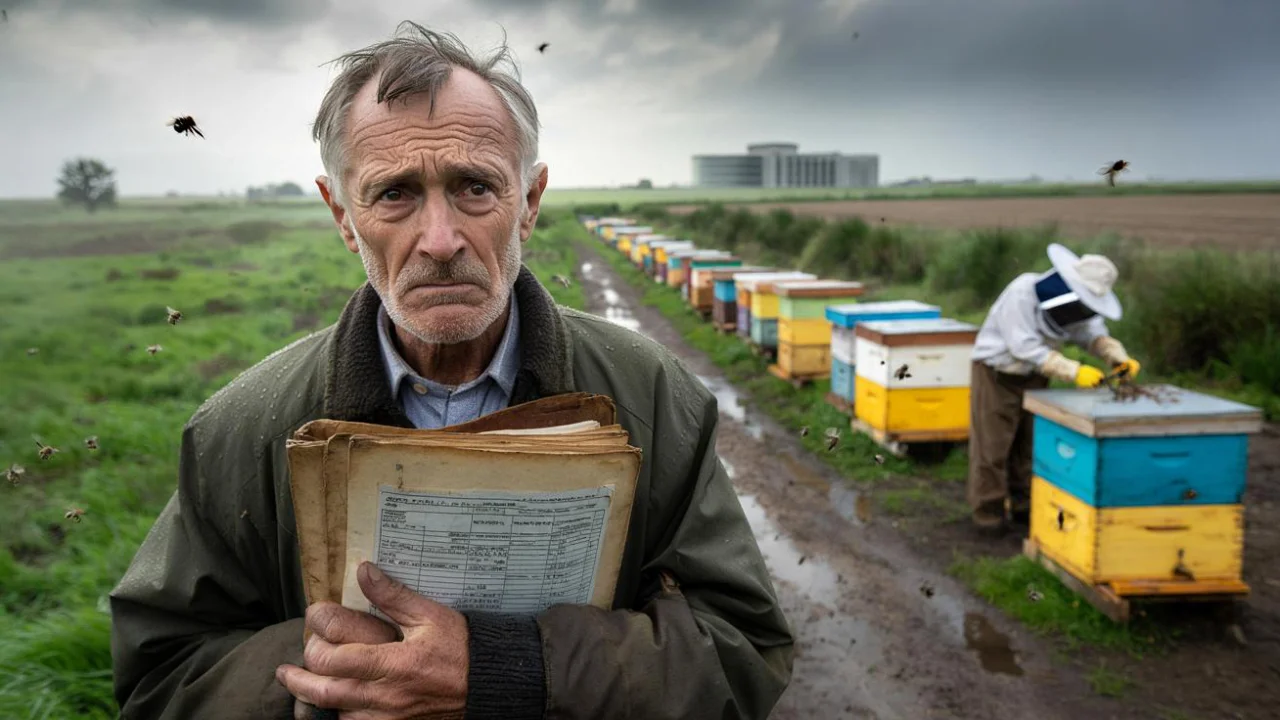
Margaret stared at the official letter for the third time, her coffee growing cold on the kitchen table. At 72, she thought her biggest worry would be whether her pension covered the heating bills. Instead, she was facing a demand for thousands in agricultural levies on land she’d never considered a business.
For eight years, she’d let Tom, a local beekeeper, place his hives on her inherited three-acre plot. No money changed hands—just neighborly kindness and the occasional jar of wildflower honey. Now the tax office saw it differently.
“I was just trying to help the bees survive,” Margaret says, shaking her head. “How did helping nature become a crime?”
When Good Intentions Meet Tax Reality
Across the country, thousands of small landowners are discovering that their informal arrangements with beekeepers, hobby farmers, and livestock owners have triggered unexpected agricultural levies. The crackdown represents a fundamental shift in how authorities view land use—and it’s catching well-meaning retirees completely off guard.
The issue stems from modernized tax enforcement systems that can now cross-reference land registries with agricultural databases. What used to be invisible handshake deals between neighbors are suddenly appearing on government spreadsheets.
“We’re seeing cases where people who thought they were doing a favor are now treated as agricultural operators,” explains tax consultant David Morrison. “The law doesn’t distinguish between commercial farming and helping your neighbor’s bees.”
This technological leap has exposed a gray area that existed for decades. Small plots of land, inherited family fields, and unused parcels were often lent out informally. Some landowners genuinely acted from goodwill. Others enjoyed quiet benefits—reduced maintenance costs, preserved land value, and sometimes under-the-table payments.
Breaking Down the Agricultural Levies System
Agricultural levies aren’t just simple taxes. They’re a complex web of social security contributions, health insurance payments, and pension contributions that can devastate someone living on a fixed retirement income.
Here’s what landowners are facing when their property gets classified as agricultural:
| Type of Levy | Typical Annual Cost | Who Pays |
|---|---|---|
| Social Security Contributions | €800-2,400 | Land owner |
| Agricultural Health Insurance | €600-1,800 | Land owner |
| Professional Training Fund | €200-600 | Land owner |
| Accident Insurance | €150-450 | Land owner |
| Pension Contributions | €400-1,200 | Land owner |
The shock comes not just from the amounts, but from retroactive demands. Some landowners are being asked to pay several years of back-levies, with interest and penalties added.
“People are getting bills for €15,000 or more, covering years they never knew they owed anything,” says rural affairs specialist Claire Thompson. “For someone on a €1,200 monthly pension, that’s financially devastating.”
The criteria triggering agricultural levies include:
- Land actively used for crop production or livestock
- Beekeeping operations, even small-scale ones
- Horse grazing or boarding arrangements
- Any agricultural activity generating potential income
- Land registered in agricultural databases, regardless of actual income
Two Sides of a Heated National Debate
The controversy has split public opinion down the middle, with passionate arguments on both sides about fairness, tax justice, and the role of informal economic activity.
Supporters of the enforcement argue that the crackdown closes longstanding loopholes that allowed wealthy landowners to avoid their fair share of taxes. They point out that agricultural land often receives favorable treatment in inheritance and property taxes, making it unfair for owners to escape agricultural levies too.
“For years, some landowners played the system,” argues fiscal policy researcher James Mitchell. “They’d claim their land generated no income while quietly benefiting from reduced maintenance, informal payments, or preserved land values. That’s not goodwill—that’s tax avoidance.”
The enforcement has revealed some genuinely questionable arrangements. Investigators found cases where “helpful neighbors” were receiving thousands in cash payments while claiming no agricultural income, or where expensive land was being “lent” to family members running profitable farming operations.
But critics see the crackdown as punishing genuine goodwill and destroying rural community traditions. They argue that forcing agricultural levies on small-scale, non-commercial arrangements will discourage environmental stewardship and community cooperation.
“We’re talking about retired people who let beekeepers use their land to help pollinator populations,” says rural advocacy lawyer Patricia Stevens. “These aren’t tax dodgers—they’re community members trying to do good.”
The emotional toll is evident. Support groups have formed online where affected landowners share stories of sleepless nights, cancelled retirement plans, and family disputes over unexpected tax bills.
Real People, Real Consequences
The human impact extends far beyond individual tax bills. Rural communities report that beekeepers are losing access to land as nervous property owners terminate informal arrangements rather than risk agricultural levies.
Environmental groups warn that the crackdown could harm conservation efforts, as landowners become reluctant to allow wildlife-friendly activities on their property. Pollinator populations, already under pressure, could suffer if beekeeping arrangements disappear.
Some landowners are taking drastic steps. Property sales to developers have increased in affected areas, as owners prefer to cash out rather than navigate complex agricultural tax obligations. Others are hiring expensive lawyers to challenge the classifications, creating costs that often exceed the disputed taxes.
“I inherited this land from my father who got it from his father,” says one affected landowner. “Now I’m being told that letting Tom keep his bees here makes me a farmer. If that’s true, I’ll sell it and let someone build houses on it instead.”
The ripple effects include disrupted retirement planning, strained family relationships, and dissolved community partnerships that took years to build. Some elderly landowners report feeling betrayed by a system they thought they understood.
Looking for Middle Ground
As the debate intensifies, some propose compromise solutions. These include exemptions for small-scale arrangements below certain thresholds, grace periods for elderly landowners, or alternative classifications for environmental stewardship activities.
Tax experts suggest that clear guidelines could help distinguish between genuine goodwill and tax avoidance. Written agreements, income thresholds, and size limits might separate helpful neighbors from commercial operators trying to evade responsibilities.
“The system needs to be fair to everyone,” says Morrison. “That means closing real loopholes while protecting genuine community cooperation. Right now, it’s treating a grandmother helping bees the same as a commercial operation hiding income.”
The resolution of this controversy will likely reshape how rural communities cooperate and how environmental stewardship is encouraged at the grassroots level. For thousands of landowners currently facing unexpected tax bills, the outcome can’t come soon enough.
FAQs
What triggers agricultural levies on land?
Any agricultural use of land can trigger levies, including beekeeping, crop production, or livestock grazing, regardless of whether the landowner receives payment.
Can I appeal agricultural levy assessments?
Yes, landowners can appeal classifications and request exemptions, but the process often requires legal assistance and documentation proving non-commercial use.
Do I owe back taxes if my land was classified retroactively?
Authorities can demand several years of back-levies with interest and penalties, potentially creating substantial financial burdens for unprepared landowners.
Will terminating agricultural arrangements stop future levies?
Ending agricultural use of your land should stop future levy obligations, but you may still owe back-taxes for previous years.
Are there exemptions for small landowners?
Current regulations offer limited exemptions, though proposed reforms might create thresholds based on land size, income, or landowner age.
How can I protect myself from unexpected agricultural levies?
Document all land arrangements in writing, consult tax professionals before allowing agricultural use, and regularly review your property’s official classification with local authorities.


