
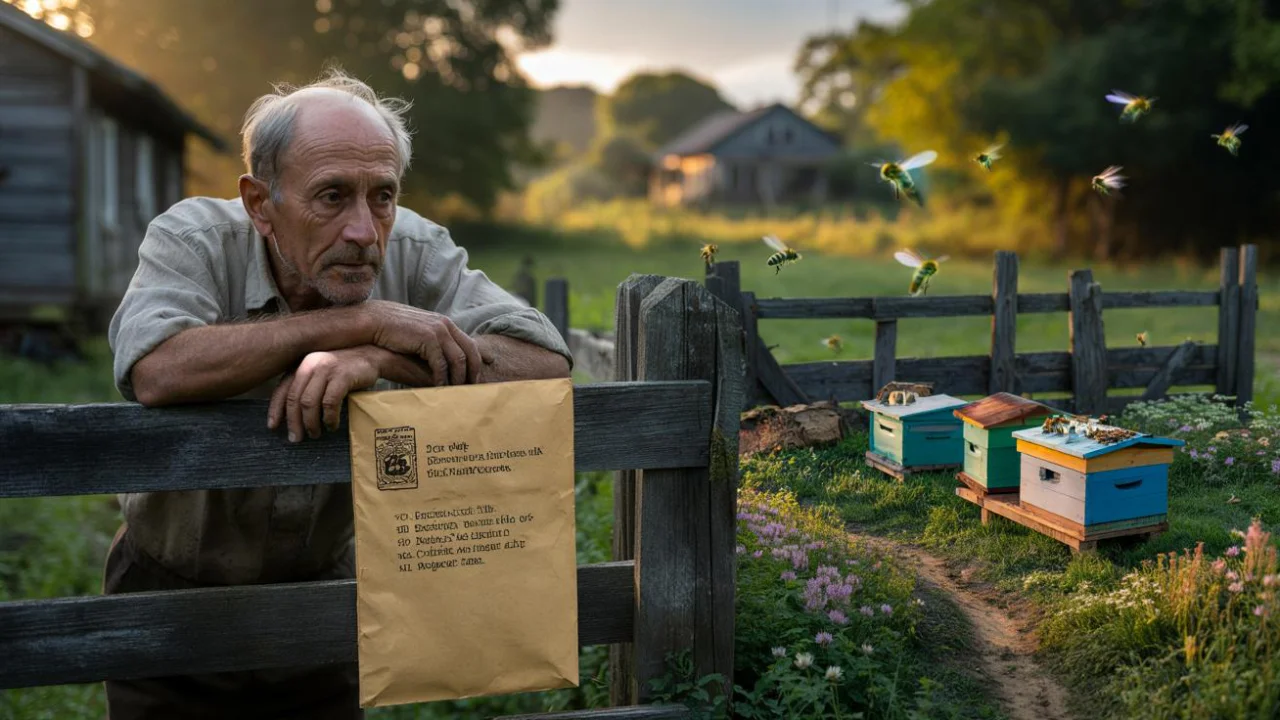
Margaret had always loved the quiet hum of bees in her garden. When young Tom knocked on her door last spring, asking if he could place a few hives in the unused corner of her property, it felt like a gift from nature itself. No paperwork, no rent – just a handshake and the promise of fresh honey come autumn.
Six months later, she’s staring at an agricultural tax bill for €427, her hands shaking as she reads the official letter for the third time. Her “generous gesture” has somehow transformed her retirement cottage into a commercial farm operation in the eyes of the tax office.
Margaret’s story isn’t unique. Across rural communities, retirees who opened their hearts and land to local beekeepers are discovering that good intentions can come with unexpected financial consequences.
How a handshake deal becomes a tax nightmare
The path from neighborly favor to agricultural tax bill follows a predictable pattern. A property owner agrees to host beehives, usually without any formal agreement. The beekeeper sets up shop, the bees thrive, and honey starts flowing to local markets.
Then the tax authorities notice. Once land is used for commercial agricultural production – even if the landowner sees no profit – it can trigger reclassification from residential to agricultural use.
“Most people think beekeeping is just a hobby until the tax bill arrives,” explains rural property consultant James Mitchell. “The moment those hives start producing honey that gets sold, you’ve crossed into commercial territory.”
The reclassification brings immediate changes:
- Higher property taxes based on agricultural land rates
- Potential liability for business activities on the property
- Changed insurance requirements
- Possible impact on inheritance planning
What makes these cases particularly painful is that many landowners never intended to become agricultural operators. They simply wanted to help local beekeepers and support pollinator populations.
Breaking down the real costs and consequences
The financial impact of an unexpected agricultural tax bill varies dramatically by location and property size, but the shock is universal. Here’s what property owners typically face:
| Property Size | Annual Tax Increase | Additional Costs |
| Small garden (under 0.5 acres) | €200-600 | Insurance review required |
| Medium plot (0.5-2 acres) | €400-1,200 | Professional tax advice needed |
| Large property (2+ acres) | €800-2,500 | Potential business registration |
Beyond the immediate tax bill, property owners discover they’re now subject to agricultural regulations they never knew existed. Some face requirements for:
- Environmental impact assessments
- Specialized insurance coverage
- Annual agricultural declarations
- Compliance with organic certification standards
“The worst part isn’t the money – it’s feeling tricked by your own government,” says Sarah Chen, a tax advisor who’s handled dozens of these cases. “These people thought they were doing something good for the environment.”
The timing often compounds the problem. Many retirees discover their agricultural tax bill during their first year of reduced pension income, when every unexpected expense hits particularly hard.
Who should really foot the bill?
The question splitting rural communities isn’t just about money – it’s about fairness. Online forums buzz with heated debates over responsibility.
One camp argues that beekeepers, as the commercial beneficiaries, should cover all tax implications. After all, they’re selling the honey and building their business on someone else’s land.
“If I let someone park their ice cream truck in my driveway and they make money from it, shouldn’t they pay any resulting costs?” asks retired teacher David Walsh, whose property now faces €340 in annual agricultural taxes.
The opposing view holds that landowners should research consequences before agreeing to any land use arrangement. “Due diligence is part of property ownership,” argues agricultural law specialist Maria Santos. “You can’t claim ignorance when tax implications are clearly outlined in existing regulations.”
Beekeepers find themselves caught in the middle. Many operate on thin margins, selling honey at local markets to cover basic equipment costs. Adding property tax obligations could force them out of business entirely.
“We’re not talking about commercial agriculture here – most of us barely break even,” explains Tom Rodriguez, who keeps hives on five different properties. “If I had to pay agricultural taxes for every location, I’d have to quit beekeeping altogether.”
Solutions emerging from the chaos
As these disputes multiply, some regions are developing clearer frameworks. Progressive municipalities are introducing “hobby agriculture” classifications that distinguish between commercial farming and small-scale environmental projects.
Smart property owners are also learning to protect themselves upfront:
- Written agreements specifying tax responsibility
- Pre-consultation with local tax authorities
- Annual revenue thresholds for tax triggers
- Shared cost arrangements for unexpected bills
Some beekeepers now offer “tax-inclusive” agreements, building potential agricultural tax costs into their arrangements with landowners. Others are forming cooperatives to share legal and administrative costs across multiple properties.
“The key is getting everything in writing before the first hive arrives,” advises property lawyer Rebecca Thompson. “Verbal agreements and good intentions aren’t enough when tax authorities get involved.”
For existing arrangements caught in tax limbo, mediation services are helping landowners and beekeepers negotiate fair solutions. Some reach agreements splitting costs, others transfer full responsibility to the commercial party.
FAQs
Can I avoid agricultural taxes by limiting the number of hives on my property?
Tax classification typically depends on commercial use rather than hive quantity, so even one productive hive could trigger reclassification if honey is sold commercially.
What if the beekeeper only gives me honey for personal use and doesn’t sell any?
If no commercial sales occur, most tax authorities won’t reclassify the land as agricultural, but you should confirm this with local officials before agreeing to host hives.
Am I liable if the beekeeper doesn’t pay their share of agreed-upon taxes?
Yes, as the property owner, you remain ultimately responsible for all taxes on your land regardless of agreements with third parties.
How can I check if hosting beehives will trigger agricultural taxes in my area?
Contact your local tax office directly and ask about land use reclassification rules before allowing any commercial agricultural activity on your property.
Is there a minimum income threshold before agricultural taxes apply?
This varies by jurisdiction, but many areas have de minimis rules exempting very small-scale operations from agricultural tax classifications.
Can I retroactively challenge an agricultural tax bill if I wasn’t informed about potential consequences?
You can appeal, but success is limited since property tax rules are considered public information that owners are expected to understand.


