
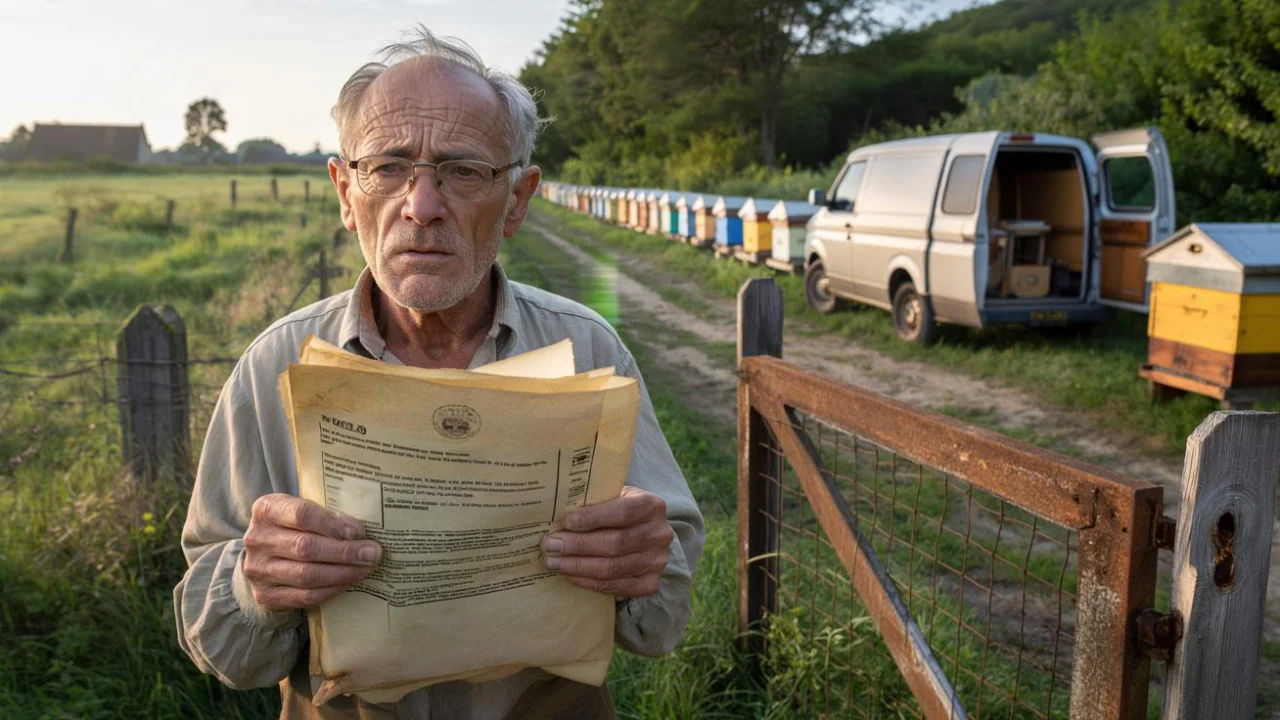
The envelope arrived on a Tuesday morning, crisp and official, the kind that makes your stomach drop before you even open it. Margaret, 68, had been enjoying her morning coffee when she saw the government logo in the corner. Inside was an agricultural tax bill for $3,800 – nearly double her monthly Social Security check.
Three years ago, she’d simply wanted to help. A young beekeeper named David had knocked on her door, explaining he needed space for his hives. Her late husband’s unused pasture seemed perfect. No money changed hands, just a handshake and good intentions.
Now Margaret stares at the bill, wondering how kindness became so expensive. The worst part? David had moved his operation six months ago, leaving her with years of accumulated tax liability and no way to recoup the costs.
“I trusted him completely,” Margaret says, her voice shaking with anger and disbelief. “He talked about supporting local agriculture, helping the environment. Nobody mentioned I’d be paying for the privilege of being generous.”
When Good Deeds Meet Government Bureaucracy
Margaret’s situation isn’t unique. Across rural America, well-meaning property owners are discovering that informal arrangements with farmers and beekeepers can trigger unexpected agricultural tax assessments. What seems like a simple favor – letting someone use unused land – can reclassify your property in the eyes of tax authorities.
“I never signed anything,” Margaret recalls. “David just needed somewhere to put his bees, and I had empty land. I thought I was helping both him and the environment.”
The problem lies in how tax assessors view land use. Once agricultural activity begins on a property, even without formal agreements, the land can be reclassified. This triggers agricultural tax rates that are often significantly higher than residential or vacant land classifications.
County assessor offices have become increasingly vigilant about identifying agricultural operations, often using aerial photography and satellite imagery to spot activities that property owners never reported. Beehives, small gardens, livestock, and even farm equipment stored on property can all trigger investigations.
Tax attorney Sarah Chen explains the common misconception: “Property owners assume that because they’re not receiving rent or profit, they won’t face tax consequences. But tax law doesn’t care about your motivations – it cares about how the land is being used.”
The situation becomes more complex when considering that many agricultural operations qualify for their own tax breaks and subsidies, while the property owners who enable them face penalties. It’s a system that rewards the operators while punishing the enablers.
The Hidden Costs of Casual Kindness
The financial impact can be devastating for retirees on fixed incomes. Here’s what property owners face when their land gets reclassified:
- Agricultural tax rates: Often 2-5 times higher than residential property taxes
- Retroactive assessments: Bills can cover multiple years once the activity is discovered
- Loss of homestead exemptions: Senior citizen tax breaks may no longer apply
- Increased liability: Property insurance rates may rise due to commercial activity
- Administrative fees: Processing charges for reclassification and assessment appeals
- Interest and penalties: Accumulating charges on unpaid retroactive taxes
| Land Classification | Average Tax Rate per Acre | Common Exemptions |
|---|---|---|
| Residential/Vacant | $180-$350 | Homestead, Senior discounts |
| Agricultural | $450-$1,200 | Farm operator exemptions only |
| Commercial Agricultural | $800-$2,000 | Very limited |
The cruel irony? The beekeepers and small farmers often qualify for agricultural exemptions and reduced rates, while the property owners who helped them face the full tax burden. In Margaret’s case, David’s beekeeping operation qualified him for state agricultural grants and federal tax credits, while she received an agricultural tax bill that consumed nearly a quarter of her annual income.
Real estate appraiser Tom Martinez has seen this pattern repeatedly: “Property owners get emotionally invested in helping local agriculture, but they don’t understand they’re essentially subsidizing commercial operations with their own tax increases. It’s particularly harsh for seniors on fixed incomes who can’t absorb these sudden financial shocks.”
The Emotional Toll of Betrayed Generosity
Beyond the financial shock, there’s a deeper wound that many property owners struggle to articulate. Margaret describes feeling “stupid and used” – not necessarily by David, but by a system that punishes generosity.
“I keep thinking about all the times I brought him iced tea, asked about his business,” she says. “He knew what this could cost me, but he never said a word. When I finally confronted him about the tax bill, he just shrugged and said he assumed I knew.”
Rural sociologist Dr. James Morrison has studied these informal arrangements: “There’s a breakdown of traditional community trust when people discover that helping neighbors can cost them thousands of dollars. It’s creating a culture of suspicion where it never existed before.”
The psychological impact extends beyond individual cases. Property owners become reluctant to help small farmers, local food producers, or environmental initiatives. The unintended consequence is less community cooperation and fewer opportunities for sustainable agriculture.
Some property owners report feeling deceived when they learn that their “partners” knew about potential tax consequences. Others blame themselves for not researching the implications beforehand. Many describe a sense of betrayal that goes beyond money – they feel their goodwill was exploited.
Margaret’s neighbor, Robert, had a similar experience with a small organic farm operation: “I let them use five acres for vegetables. Three years later, I got hit with a $2,400 bill. The farmer acted surprised, but later I found out he’d been through this with two other property owners. They know exactly what happens, but they don’t volunteer the information.”
Dr. Morrison notes that these experiences are creating a generational shift in rural communities: “Older property owners who grew up with handshake agreements and community cooperation are being replaced by people who insist on formal contracts for everything. The social fabric is changing.”
How to Protect Yourself While Still Helping Others
The solution isn’t to stop helping – it’s to help smarter. Property owners can still support local agriculture while protecting themselves from unexpected tax bills.
Legal expert Jennifer Walsh recommends these protective steps:
- Always use written agreements: Even simple one-page contracts clarify responsibilities
- Specify tax liability: Make the farmer responsible for any increased property taxes
- Set time limits: Include end dates and renewal terms
- Consult your assessor: Contact local tax authorities before allowing agricultural use
- Consider liability insurance: Protect against accidents during agricultural activities
- Require proof of insurance: Ensure the agricultural operator carries adequate coverage
- Document everything: Keep records of all agreements and communications
Some successful arrangements include annual payments that cover increased property taxes, or agreements where the farmer handles all tax-related paperwork and payments directly with local authorities. Other property owners charge modest rent that covers potential tax increases, turning the arrangement into a legitimate business transaction.
Walsh emphasizes the importance of proactive communication: “Call your county assessor’s office before you shake hands with anyone wanting to use your land agriculturally. A five-minute phone call can save you thousands of dollars and years of frustration.”
The key is transparency. Both parties should understand the potential consequences before any agricultural activity begins on the property. This doesn’t mean ending community cooperation – it means structuring it to protect everyone involved.
Tax consultant Maria Rodriguez, who specializes in agricultural properties, offers this advice: “Think of it as helping smart instead of just helping. You can still support local farmers and environmental causes, but protect yourself legally and financially. Good agreements actually strengthen relationships because both parties know what to expect.”
FAQs
Can I appeal an agricultural tax assessment if I never signed a lease?
Yes, you can appeal, but informal arrangements still count as agricultural use in most jurisdictions. Success depends on proving the activity was temporary or unauthorized.
How long does agricultural activity need to occur before triggering a tax change?
This varies by location, but most assessors consider any ongoing agricultural use, regardless of duration. Even seasonal activities can trigger reclassification.
Am I responsible for taxes on agricultural activity I didn’t approve?
If you own the land and allowed the activity, even verbally, you’re typically responsible for resulting tax changes. Proving you didn’t consent can be difficult without documentation.
Can I require the farmer to pay increased property taxes?
Yes, written agreements can specify that the agricultural user covers any tax increases. However, you may still be legally responsible if they refuse to pay.
Do small-scale operations like a few beehives trigger agricultural taxes?
Even small commercial agricultural operations can trigger reclassification – size doesn’t always matter. The key factor is whether it’s considered commercial activity, not hobby use.
What happens if I discover agricultural tax bills years later?
You may face retroactive assessments, but you can often negotiate payment plans with local tax authorities. Some jurisdictions offer hardship exemptions for seniors on fixed incomes.


