
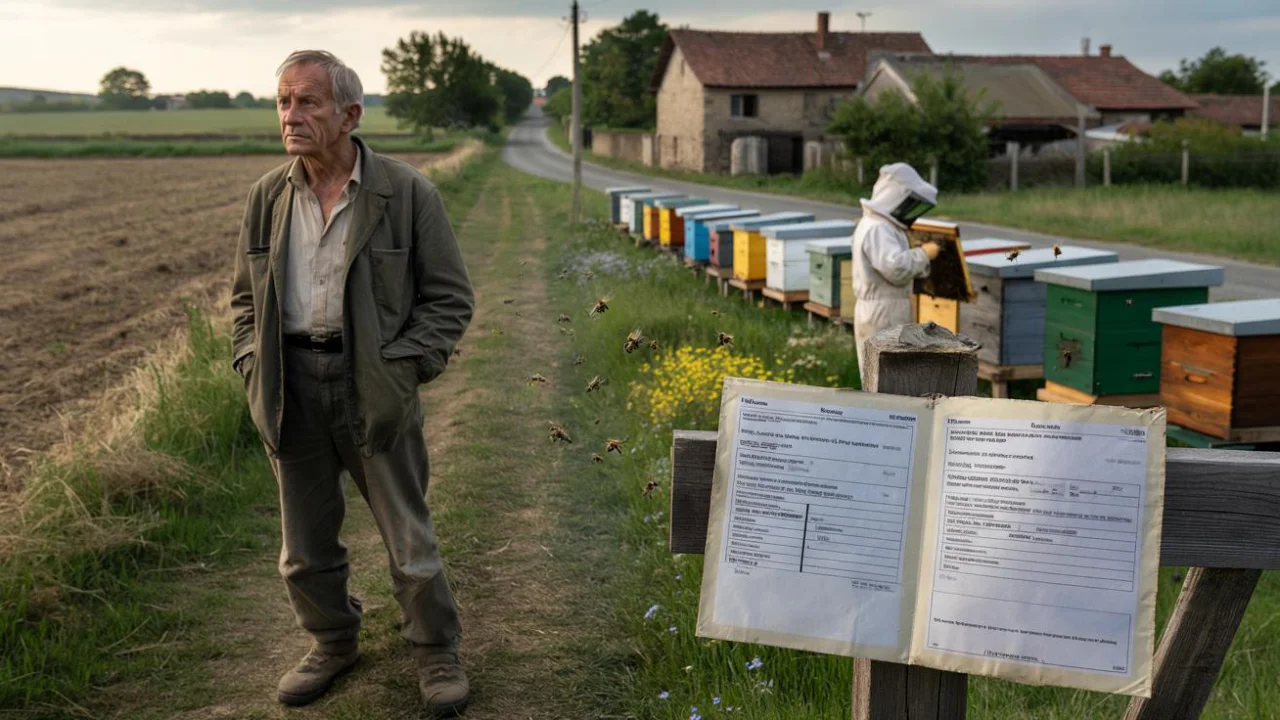
Margaret thought she was doing her neighbor a simple favor when she said yes to the beekeeper’s request. Her three acres had sat empty since she retired from dairy farming five years ago, and the young man seemed so passionate about helping local pollinators. “Just put your hives in the back field,” she told him with a smile. “No charge, of course.”
Six months later, Margaret stared at a tax bill that made her hands shake. Agricultural tax assessment: $847. The same land that had cost her nothing in taxes as unused property was now generating a bill she couldn’t afford on her fixed income.
The worst part? She hadn’t earned a single penny from those buzzing hives.
When kindness meets the taxman’s rulebook
Margaret’s story isn’t unique, and the logic behind her agricultural tax bill reveals a frustrating gap between human generosity and bureaucratic systems. When tax authorities evaluate land use, they don’t care about your motivations or your bank account. They care about one thing: what’s actually happening on that property.
“The tax code doesn’t recognize good intentions,” explains rural property attorney James Mitchell. “If bees are producing honey on your land, the system assumes you’re engaged in agricultural activity, regardless of whether you see any profit.”
This creates a perfect storm for well-meaning landowners. The moment those hives appear, the property classification changes from residential or unused land to agricultural use. With that shift comes an entirely different tax structure, often with higher rates and fewer exemptions.
The problem extends far beyond beekeeping. Similar situations arise when retirees lend fields to neighbors for grazing horses, growing vegetables, or storing farm equipment. The landowner’s intentions matter little when the tax assessor drives by and sees agricultural activity.
Breaking down the agricultural tax trap
Understanding how agricultural tax gets triggered helps explain why so many generous landowners find themselves blindsided by unexpected bills. The system operates on use-based classification rather than income-based assessment.
Here’s how the trap typically springs:
- Land sits unused and taxed at residential or vacant property rates
- Owner allows agricultural use by neighbor or friend
- Tax assessor reclassifies property during routine evaluation
- New agricultural tax rate applies retroactively
- Owner receives bill for taxes they never anticipated
| Property Type | Average Tax Rate | Common Exemptions |
|---|---|---|
| Residential/Vacant | 0.8-1.2% | Homestead, Senior |
| Agricultural Use | 1.2-2.1% | Limited, Production-based |
| Commercial Farm | 1.8-3.2% | Business deductions |
“Most people think agricultural tax rates are lower, but that’s only true for working farms with significant production,” notes tax consultant Linda Rodriguez. “Small-scale or hobby use often gets hit with the worst of both worlds.”
The timing makes matters worse. Many jurisdictions apply the new classification retroactively, meaning landowners can face bills covering multiple years of unpaid agricultural tax.
Who really gets hurt by these rules
The agricultural tax system’s rigidity hits hardest where communities need flexibility most. Rural areas depend on informal cooperation between neighbors, especially as family farms disappear and older residents struggle to maintain large properties.
Retirees like Margaret often own land they can no longer work but can’t afford to maintain professionally. Lending it to young farmers, beekeepers, or neighbors feels like the right thing to do. The tax code sees it differently.
“We’re essentially penalizing people for helping their communities,” says rural development specialist Dr. Sarah Chen. “These informal arrangements keep small agricultural operations alive and maintain rural landscapes.”
The impact ripples through farming communities in several ways:
- Retirees stop lending land to avoid tax consequences
- Young farmers lose access to affordable growing space
- Rural properties sit abandoned rather than productive
- Community cooperation breaks down over financial fears
Environmental initiatives suffer too. Beekeeping projects, pollinator gardens, and conservation grazing programs all trigger the same agricultural tax classifications that punish landowner generosity.
Fighting back against unfair assessments
Landowners facing unexpected agricultural tax bills aren’t completely helpless, but their options require quick action and careful documentation. The key lies in understanding how tax assessors make their determinations and what evidence can challenge those decisions.
Most jurisdictions allow property owners to appeal tax reclassifications within 30-60 days of notification. Success often depends on proving the agricultural use was truly temporary or non-commercial.
“Documentation is everything,” advises property tax attorney Michael Torres. “A simple handwritten agreement stating no rent was paid can be the difference between winning and losing an appeal.”
Smart landowners take several protective steps before allowing any agricultural use:
- Create written agreements limiting use duration
- Specify no rent or profit-sharing arrangement
- Document the land’s non-commercial nature
- Consult local tax assessor about classification rules
- Consider formal conservation easements for environmental uses
Some states offer special exemptions for certain types of land sharing, particularly for environmental or educational purposes. But these protections vary widely and often require advance registration with tax authorities.
The bigger picture behind the tax bills
Margaret’s situation reflects broader tensions between rigid tax systems and the flexible community relationships that rural areas depend on. As agricultural land becomes more valuable and tax revenues more critical for local governments, these conflicts will likely intensify.
The current system creates perverse incentives that discourage exactly the kind of land stewardship communities need. Rather than supporting arrangements that keep land productive and help new farmers get started, tax rules push toward either intensive commercial use or complete abandonment.
“We’re using 20th-century tax categories to regulate 21st-century land use patterns,” observes rural economist Professor David Kim. “The result is a system that punishes cooperation and rewards isolation.”
Some jurisdictions are beginning to recognize the problem. Pilot programs in several states now offer temporary agricultural use exemptions for documented community benefit projects, including pollinator support and beginning farmer programs.
But for landowners like Margaret, such reforms come too late. She ended up paying the agricultural tax bill and asking the beekeeper to move his hives. The land sits empty again, the bees are gone, and the community lost a small but meaningful example of neighbors helping neighbors.
Her story serves as a warning for anyone considering similar acts of generosity: good intentions don’t protect you from tax consequences, and the system often punishes people for doing what feels right.
FAQs
Can I avoid agricultural tax by not charging rent for land use?
No, agricultural tax classification depends on how the land is used, not whether you profit from it.
How long does agricultural use need to occur before triggering tax reclassification?
This varies by jurisdiction, but many assessors can reclassify land after just one growing season of agricultural activity.
What should I do if I receive an unexpected agricultural tax bill?
Contact your local tax assessor immediately to understand the classification change and explore appeal options within the deadline.
Are there legal ways to lend land for farming without tax consequences?
Some states offer exemptions for educational, environmental, or community benefit uses, but these require advance documentation and approval.
Can I appeal an agricultural tax assessment if I never signed a lease agreement?
Yes, lack of formal agreements can actually help your case by demonstrating the arrangement wasn’t a commercial transaction.
Do all states handle agricultural tax classification the same way?
No, rules vary significantly between states, with some offering more protections for temporary or charitable land use than others.


