
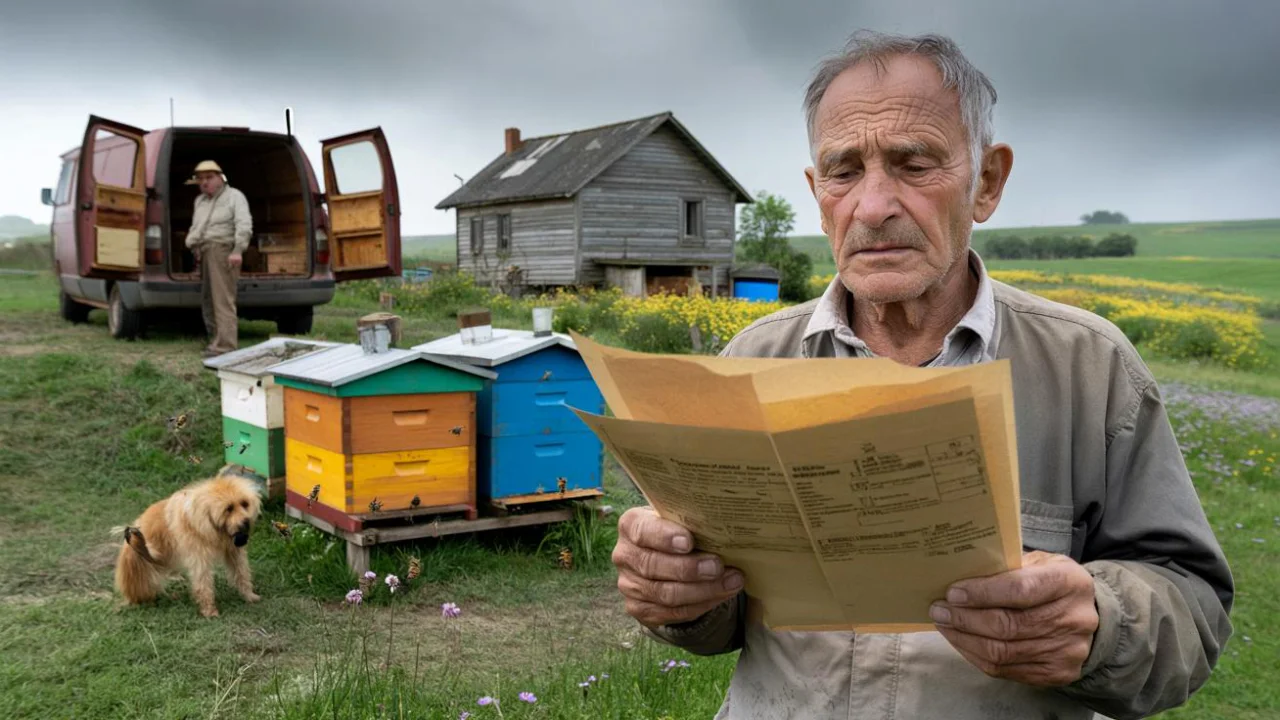
Harold sits on his weathered porch, staring at the letter that changed everything. Three months ago, he was the village hero—the retired mechanic who let young Tom place beehives on his unused back acre. “Just helping the environment,” he’d tell neighbors with a gentle smile. Today, the same land that once made him feel useful has branded him a potential tax dodger, facing an agricultural tax bill worth more than his entire year’s pension.
The story sounds impossible, but it’s happening across the country. One handshake with a beekeeper, no money exchanged, no contracts signed—just old-fashioned rural kindness. Now Harold owes thousands in back taxes because his good deed triggered an automatic reclassification of his property.
“I thought I was saving the bees,” Harold says quietly. “Turns out I might lose my house instead.”
How a simple favor became a tax nightmare
The agricultural tax retiree cases are spreading faster than wildfire on social media, and Harold’s story captures the confusion perfectly. When Tom the beekeeper needed a spot for his hives, Harold’s overgrown back field seemed perfect. No rent, no formal agreements—just a neighborly “yes” that seemed harmless enough.
But tax authorities saw something different. The moment Tom registered his hives’ location for health compliance and potential environmental grants, Harold’s land automatically shifted from “residential” to “agricultural use” in government databases. The GPS coordinates told the whole story to algorithms that don’t understand good intentions.
“The system doesn’t recognize kindness,” explains Maria Santos, a rural tax specialist who’s seen dozens of similar cases this year. “Once land is used for productive agricultural activity—even unpaid beekeeping—it triggers new tax classifications that many retirees never anticipated.”
The process happens silently. No notifications, no warnings, just retroactive tax bills that arrive months later with penalties already attached.
Breaking down the agricultural tax retiree crisis
The scope of this problem is staggering when you look at the numbers. Across the country, thousands of retirees are discovering that their innocent land-sharing agreements have serious financial consequences.
| Type of Land Use | Average Tax Increase | Typical Back Taxes Owed |
|---|---|---|
| Beekeeping operations | 340% | $3,200-$8,500 |
| Small livestock grazing | 285% | $2,800-$6,200 |
| Vegetable gardens (commercial) | 420% | $4,100-$9,800 |
| Christmas tree farms | 380% | $5,200-$12,000 |
The key triggers that flip land from residential to agricultural include:
- Any commercial registration of activities on your property
- Grant applications that list your address as an operation site
- Health department registrations for livestock or apiaries
- Environmental compliance filings that reference productive land use
- Insurance claims related to agricultural activities
“Most retirees have no idea these databases talk to each other,” notes David Chen, a property tax attorney. “They think they’re just helping a neighbor, but computers are reclassifying their land in real-time.”
The agricultural tax retiree problem gets worse when you consider timing. Tax reclassifications often happen retroactively, meaning retirees owe back taxes from the moment the “agricultural activity” began—not from when they received notice.
The human cost of bureaucratic efficiency
Behind every case number is a person like Harold, caught between helping their community and protecting their financial security. The agricultural tax retiree burden hits hardest on fixed incomes, where an unexpected $5,000 tax bill can mean choosing between medications and keeping the house.
Margaret Ellis, 72, faced a similar shock last winter. She let a local farmer graze two horses on her property during a drought, charging nothing and providing free hay. Eight months later, she received a $4,300 agricultural tax bill that consumed half her Social Security payments for the year.
“I was trying to help animals during the drought,” Margaret explains. “Now I’m selling family furniture to pay taxes I never knew existed.”
The psychological impact runs deeper than the financial cost. Many retirees describe feeling betrayed by a system that punishes generosity. Community bonds weaken when helping neighbors carries hidden risks.
“We’re creating a society where people are afraid to be kind,” warns Dr. Sarah Williams, who studies rural community relationships. “When a simple favor can trigger thousands in taxes, people stop saying yes to their neighbors.”
A nation divided over fairness
Public reaction to the agricultural tax retiree crisis splits along predictable lines. Social media buzzes with passionate debates about whether these cases represent innocent victims or sophisticated tax avoidance.
Supporters argue that retirees like Harold are casualties of an inflexible system that can’t distinguish between commercial farming and community kindness. They point to the lack of financial benefit and the informal nature of most arrangements as proof of innocent intentions.
Critics counter that these retirees are getting agricultural tax benefits without proper declaration and oversight. They argue that allowing land to be used productively—even for free—still constitutes agricultural activity that should be taxed accordingly.
“The law doesn’t care about your motivation,” says Robert Hayes, a fiscal policy researcher. “If your land produces agricultural output, it should be taxed as agricultural land, period.”
The debate reveals deeper tensions about tax fairness, rural community values, and whether government systems should account for human nuance in automated decisions.
What happens next for affected retirees
The agricultural tax retiree crisis is forcing legislative attention in several states. Proposed solutions range from small-scale exemptions for informal arrangements to complete overhauls of land classification systems.
Some immediate options exist for current victims:
- Appeal processes that can take 6-18 months but may reduce penalties
- Payment plans that spread back taxes over multiple years
- Hardship exemptions for retirees below certain income thresholds
- Legal challenges to retroactive tax assessments
Harold is exploring appeals, but the process is complex and expensive. His case could set precedents for thousands of similar situations nationwide.
“I just wanted to help the bees,” he repeats, looking out at the hives that still buzz quietly behind his house. “I never imagined kindness could cost so much.”
FAQs
Can I let someone use my land without triggering agricultural taxes?
It depends on your state and how the activity gets registered. Any commercial registration or grant applications can trigger reclassification.
What if I charge no rent for land use?
Payment doesn’t matter for tax classification. If land is used productively, it can be reclassified regardless of compensation.
How do I know if my land has been reclassified?
Check with your local assessor’s office or look for any tax bill changes. Many reclassifications happen without immediate notification.
Can I appeal an agricultural tax assessment?
Yes, but appeal processes vary by location and can take many months. Consider consulting a tax attorney for complex cases.
Are there exemptions for environmental activities like beekeeping?
Some states offer limited exemptions, but most tax codes don’t distinguish between commercial and environmental agricultural uses.
What should I do before letting someone use my land?
Consult your local tax assessor about potential implications and consider written agreements that specify no commercial activity.


