
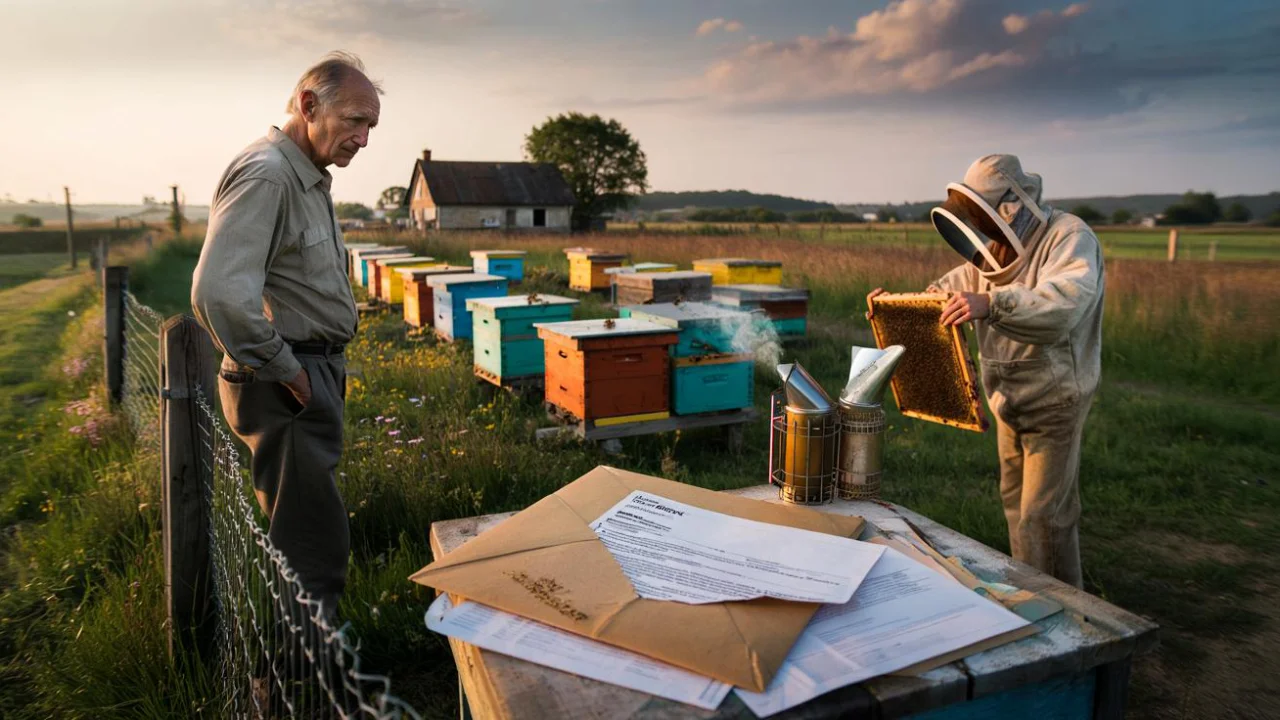
André stared at the envelope for a full minute before opening it. At 72, he’d received plenty of official mail in his lifetime, but this one felt different. The return address read “Tax Administration,” and inside was a bill for something called agricultural tax on land he’d never farmed commercially. All he’d done was let his neighbor place a few beehives on the unused corner of his property.
The amount wasn’t enormous, but it wasn’t small either. More puzzling was the reality that his act of kindness—letting someone use his land for free to help struggling bee populations—had somehow transformed him into a taxpayer for agricultural activity he wasn’t even conducting.
This story isn’t unique. Across the country, well-meaning property owners are discovering that good intentions can come with unexpected bureaucratic consequences, revealing a complex web of regulations that blur the lines between charity, business, and civic responsibility.
When Kindness Meets Tax Code
André’s situation began innocently enough. After his wife passed away three years ago, his half-hectare plot behind the house had become too much to manage. The vegetable garden that once fed their family slowly returned to wild grass and weeds.
When Marc, a local beekeeper, approached him about placing hives on the unused land, André didn’t hesitate. “I thought I was helping the environment,” he explains. “Everyone talks about bee populations declining, and here was someone trying to do something about it.”
The arrangement was simple: Marc would maintain the hives, André would get a few jars of honey each season, and both would feel good about supporting local agriculture and biodiversity. No money changed hands, no contracts were signed.
But tax authorities don’t always see things the same way. In most jurisdictions, land classification depends on use rather than intent. Once beehives appeared on André’s property and began producing honey that entered commercial markets, the land automatically qualified as agricultural property—regardless of whether André received any income from it.
“The system doesn’t really distinguish between helping a neighbor and running a business,” says tax consultant Marie Dubois. “If there’s agricultural activity happening on your land, you’re potentially liable for agricultural taxes, even if you’re not the one profiting from it.”
The Real Cost of Good Intentions
Agricultural tax rates and applications vary significantly, but the principle remains consistent across most regions. Here’s what property owners like André typically face:
| Tax Type | Typical Rate | Who Pays | Based On |
|---|---|---|---|
| Agricultural Property Tax | 0.5-2% of assessed value | Land owner | Land use classification |
| Production Tax | Variable by crop/product | Land owner or operator | Actual production levels |
| Environmental Levy | $50-200 annually | Land owner | Agricultural designation |
The complexity multiplies when you consider that beekeeping operations can trigger multiple tax categories simultaneously. André’s land was reclassified for:
- Agricultural property tax based on the presence of productive hives
- Environmental fees for agricultural land use
- Potential liability for production-based taxes if honey sales exceed certain thresholds
- Changes to property insurance requirements and rates
Legal expert James Morrison notes, “Property owners often don’t realize that intent matters less than activity in the eyes of tax law. Lending your land to help someone else’s business can make you a participant in that business from a regulatory standpoint.”
Who Really Bears the Burden?
André’s story highlights a fundamental question about how society handles informal economic arrangements. Marc, the beekeeper, benefits from free land use and sells the honey produced there. André provides the essential resource but receives no income—only unexpected tax obligations.
This imbalance appears across various industries where small-scale producers rely on informal arrangements with property owners. Urban farming initiatives, artisan crafts, and small-scale livestock operations often create similar situations.
Rural development specialist Dr. Sarah Chen explains, “We’re seeing more of these cases as people try to support local food systems and sustainable agriculture. The problem is that our tax structures weren’t designed for these collaborative, non-monetary arrangements.”
The consequences extend beyond individual property owners. When people learn about unexpected tax liabilities from helping neighbors, they become less likely to offer support for small-scale agricultural projects. This creates barriers for beginning farmers and sustainable agriculture initiatives that depend on community cooperation.
Navigating the System Without Getting Stung
André’s experience offers important lessons for anyone considering similar arrangements. Tax attorneys recommend several protective measures:
- Consult local tax authorities before agreeing to land-use arrangements
- Draft formal agreements that clearly define responsibilities and tax obligations
- Consider rent-based arrangements that acknowledge the agricultural tax implications
- Explore exemptions for certain types of environmental or educational activities
Some regions offer specific protections for landowners who allow agricultural use without receiving income. These “Good Samaritan” provisions typically require advance registration and limit the scale of permitted activities.
Property tax assessor Michael Torres suggests, “The key is transparency with local authorities. Most problems arise when arrangements happen informally and tax implications aren’t considered upfront.”
For André, the solution came through negotiation. After appealing his initial tax bill and explaining the arrangement, local authorities agreed to a reduced assessment based on the limited scale and non-commercial nature of his involvement. Marc now contributes to the agricultural tax costs as part of their ongoing agreement.
The Bigger Picture Behind Small Gestures
André’s situation reflects broader tensions in how modern economies handle community cooperation and mutual aid. Traditional tax structures assume clear distinctions between commercial and personal activities, but real-life relationships often blur these boundaries.
Agricultural policy researcher Dr. Lisa Park observes, “We’re dealing with 20th-century tax codes trying to regulate 21st-century collaborative arrangements. The result is often confusion and unintended consequences for people just trying to help their neighbors.”
The bee crisis adds another layer of complexity. With pollinator populations declining globally, initiatives like Marc’s beekeeping operation serve important environmental functions beyond honey production. Yet tax systems struggle to account for these broader societal benefits when determining individual liability.
André doesn’t regret helping Marc, even with the tax complications. The hives remain on his property, and he’s found ways to manage the additional costs. But he wishes he’d understood the implications from the beginning.
“I just wanted to help the bees,” he says. “I didn’t expect that helping would come with its own set of rules and costs that nobody explained upfront.”
FAQs
Can I avoid agricultural tax by not charging rent for land use?
Unfortunately, no. Tax classification typically depends on how the land is used, not whether you receive payment for that use.
What happens if I didn’t know my land qualified for agricultural tax?
Most jurisdictions allow appeals based on lack of knowledge, but you’ll likely still owe back taxes once the agricultural use is established.
Do all types of agricultural activities trigger these taxes?
Generally yes, though some areas have minimum thresholds for commercial production or exemptions for purely educational or environmental purposes.
Can the person using my land pay the agricultural taxes instead of me?
While they can contribute to the costs privately, the legal obligation typically remains with the property owner unless formal arrangements transfer certain responsibilities.
Are there benefits to having land classified as agricultural?
Yes, agricultural land often receives lower property tax rates and may qualify for various agricultural exemptions and programs.
How can I protect myself before agreeing to let someone use my land?
Consult with local tax authorities and consider drafting formal agreements that address tax implications and cost-sharing arrangements upfront.


