
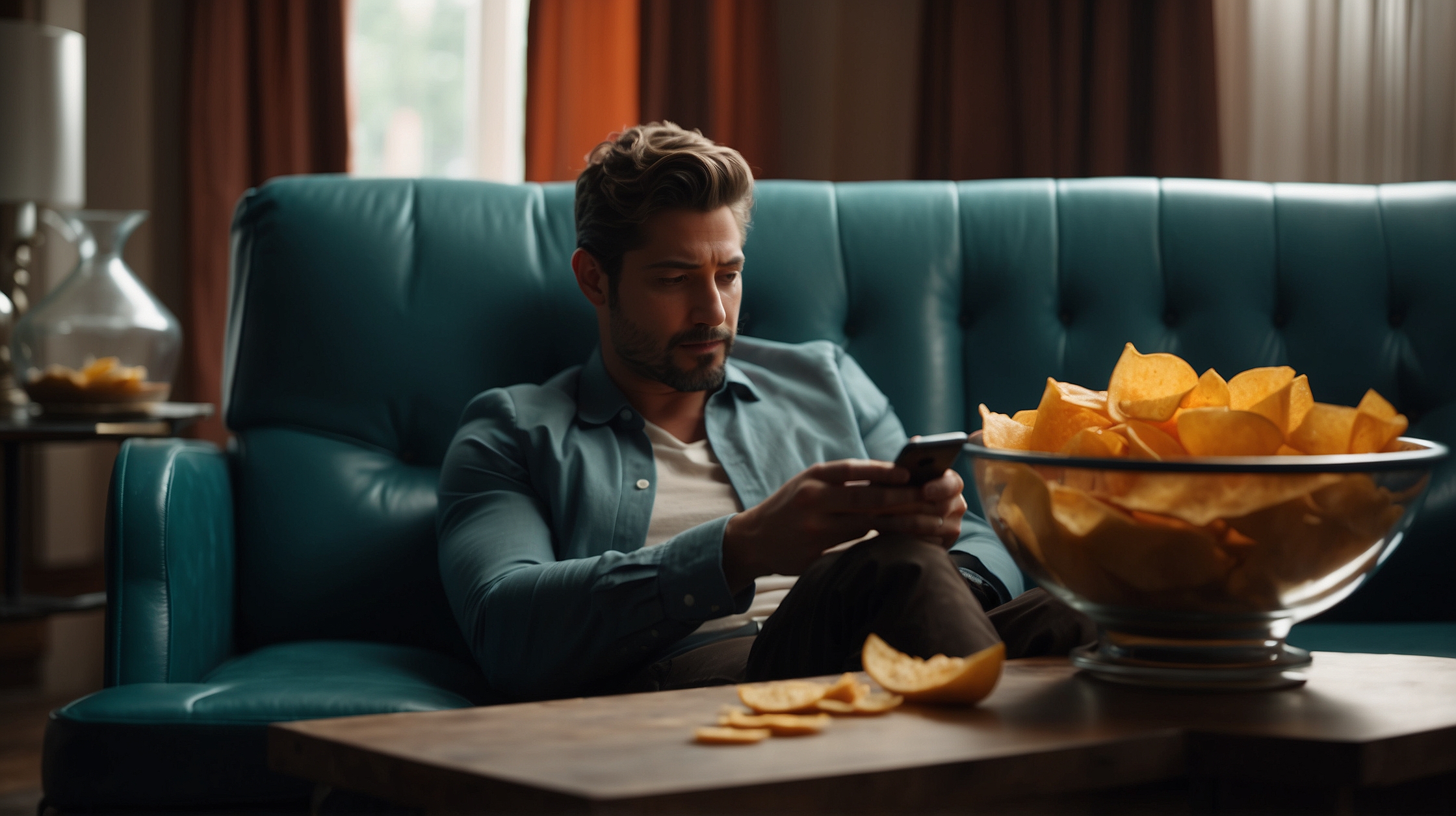
Are you reaching for snacks between meals more often than not? If you find yourself rummaging through your pantry when you’re not physically hungry, you’re not alone. Many people misinterpret boredom, stress, or even habit as hunger, leading to **mindless snacking** that can disrupt your health goals. Emotional and boredom-induced snacking is surprisingly common — and often goes unnoticed until our energy levels, mood, or waistlines start to change.
Recognizing the difference between true hunger and emotional craving can be a game-changer. This simple awareness is the first step toward building a healthier relationship with food. As you read on, you’ll uncover what causes mindless snacking, how to identify your triggers, and proven strategies to stop habitual munching before it undermines your well-being.
Overview: What to Know About Boredom Snacking
| Common Cause | Boredom or emotional triggers mistaken as hunger |
| Who It Affects | All age groups, especially work-from-home adults and teens |
| Negative Impact | Weight gain, poor digestion, blood sugar imbalances, emotional eating cycles |
| Solution Strategies | Mindful eating, stress management, structured meal planning |
| Professional Support | Nutritionists, therapists, and wellness coaches |
How boredom disguises itself as hunger
Our brains are wired to seek pleasure and stimulation. In the absence of those, like during a slow workday or a dull Netflix binge, we often turn to food — not because we’re hungry, but because snacking provides a *quick dopamine hit*. This momentary sense of satisfaction tricks us into thinking we needed nourishment when, in reality, we were simply bored or emotionally disengaged.
Unfortunately, snacking in response to emotions, rather than hunger, creates a feedback loop. The more you do it, the more your body and brain associate snacking with relief or entertainment. Before you know it, your body stops sending true hunger cues and instead, habits control your eating.
“When we eat purely out of boredom, we override our internal hunger signals — it becomes much harder to gauge when we’re truly full or truly hungry.”
— Dr. Elaine Roberts, Clinical Nutritionist
Signs you’re eating out of boredom — not hunger
Wondering if your snacking is boredom-based? Here are some telltale signs:
- You reach for snacks even after finishing a full meal.
- You find yourself craving specific “comfort” foods like chips or chocolate.
- You’re not experiencing physical hunger symptoms like stomach growling.
- You snack while distracted — watching TV, scrolling social media, or working.
- You feel regret or guilt immediately after eating.
Unlike genuine hunger, which builds slowly and can be satisfied with balanced food, boredom snacking feels sudden, urgent, and fixated on high-calorie or sugary choices.
Why mindless snacking can derail your health
Consistently consuming extra calories — even “healthy” snacks — adds up over time. Boredom-based eating can cause **unintentional weight gain**, fatigue, mood instability, and even disrupt your hormone and digestion patterns. Snacking when your body doesn’t need fuel can leave you sluggish or bloated, reinforcing discomfort and lowering energy levels further.
Over time, emotional snacking also conditions your brain to use food as a coping mechanism. This can pave the way for more serious compulsive eating habits if not addressed.
“Food should be fuel, but boredom snacking turns it into distraction. The result? You’re eating without intention — and that affects both mental and physical wellness.”
— Carlos Jennings, Certified Holistic Health Coach
How to break the cycle of bored eating
Awareness is the first step. Once you recognize that your snacking might be boredom-fueled, you can begin shifting your habits. Here are science-backed ways to break the cycle:
1. Ask yourself: Am I truly hungry?
Before reaching for a snack, pause. Ask yourself: When was the last time I ate? Could I eat something wholesome like a piece of fruit or boiled egg? If the answer is no — or if you specifically want chips and candy — there’s a good chance you’re not actually hungry.
2. Substitute food with another dopamine trigger
Instead of snacking, do a 5-minute task that stimulates but doesn’t involve eating. Examples include stretching, stepping outside, journaling, or doing a crossword. These actions can shift your attention and satisfy the mental craving for engagement.
3. Stay hydrated
It’s easy to confuse **thirst for hunger**. Keep a glass or bottle of water nearby and sip when you get the urge to snack. Herbal teas or lemon water are also great substitutes that provide satisfaction with zero extra calories.
4. Create a snack schedule
If snacking is part of your routine, control it rather than eliminate it. Create two dedicated snack windows (for example: 11am and 3:30pm) with balanced, nutrient-dense options. This builds structure and keeps you from reaching impulsively for ultra-processed foods.
5. Keep your hands and mind busy
Boredom is often physical. Try a tactile hobby like knitting, coloring, or gardening — activities that keep your hands active and redirect your focus. Mental distraction is also key: music, podcasts, short walks, or phone calls with a friend can all refocus your energy.
Smart snacking strategies that support your goals
When you do choose to snack, make it intentional. Here’s how to snack mindfully:
- Choose options with fiber, protein, and healthy fats for longer satisfaction
- Pre-portion your snacks to avoid eating straight from the bag
- Sit down while snacking — no eating on the go or in front of a screen
- Engage your senses: chew slowly, savor texture and taste
Snacks like hummus and veggies, Greek yogurt with berries, or apple slices with almond butter offer both nutrition and satisfaction while keeping blood sugar levels stable — unlike sugary or salty processed alternatives.
Real-world winners: Who said goodbye to bored eating
| Winner | Change Made | Result |
|---|---|---|
| Jessica, 31 | Replaced 3pm snack with afternoon walk | Lost 8 lbs in 2 months, reported better mood |
| Rajiv, 45 | Started journaling emotional triggers | Reduced emotional snacking episodes by 60% |
| Karen, 27 | Swapped chips for protein smoothies | Less fatigue, increased productivity |
When to seek professional guidance
If your eating feels out of control, or if you’re using food to cope with anxiety, sadness, or stress regularly, it might be time to connect with a dietitian, therapist, or eating behavior specialist. Food cannot fix emotional discomfort — and building a toolbox of healthier coping techniques is key to long-term well-being.
“We all snack from time to time. But if you find it hard to stop, or if cravings rule your day, a professional can help you uncover the ‘why’ and build new healthy rhythms.”
— Dr. Serena Lane, Behavioral Psychologist*
Short FAQs about boredom-based snacking
What triggers boredom snacking?
The most common triggers are routine, inactivity, emotional lows, and environmental cues like seeing snacks within reach or being near screens.
Can boredom snacking lead to weight gain?
Yes, consistent extra calorie intake — especially from sugary or fatty snacks — can lead to weight gain over time if not balanced with physical activity or reduced in other meals.
How can I tell if I’m truly hungry?
True hunger develops gradually and can be satisfied by a variety of foods. If you only want specific snacks, or if you just ate an hour ago, it’s likely emotional or boredom-related.
Is drinking water helpful in curbing snacking?
Absolutely. Hydration can help reduce false hunger signals. Sometimes your body is asking for water, not food.
Are healthy snacks okay if I’m not hungry?
While healthier snacks are better than junk food, it’s still best to eat only when there is true hunger. Snacking out of habit — even on fruit or nuts — can still lead to overconsumption.
How can I stop night-time boredom snacking?
Try creating a night routine that includes herbal tea, reading, or meditation. Brushing your teeth early can also act as a signal that eating time is over for the day.
Can stress cause mindless snacking too?
Yes. Both boredom and stress can trigger emotional eating. Identifying stressors and using positive outlets like exercise or journaling can help reduce stress-eating habits.
Should I completely quit snacking?
No. Snacking is not inherently bad — it’s the intent and content that matter. Planned, mindful snacks can be helpful for energy and nutrition between meals.


