
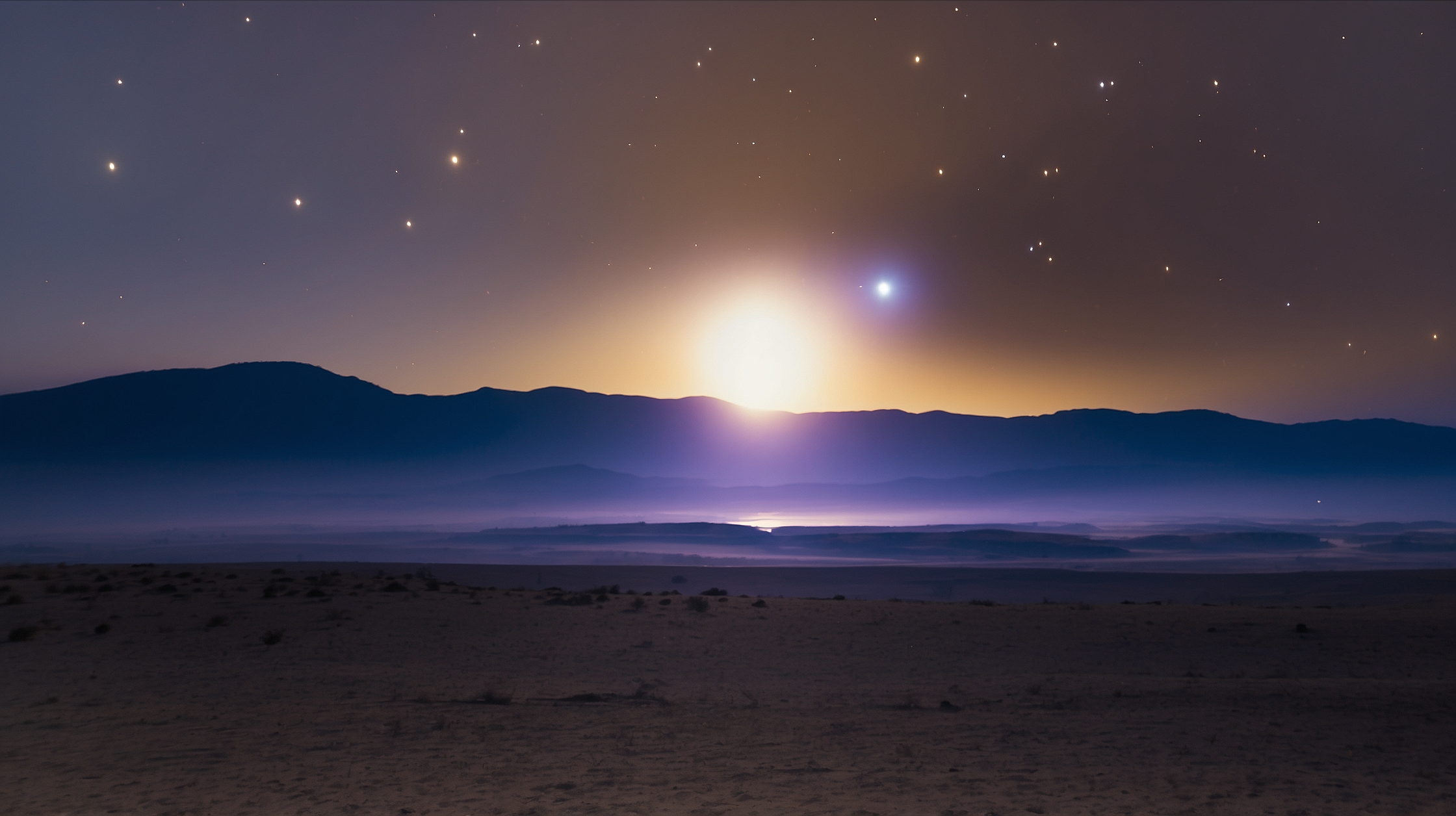
Day will briefly turn to night in what is expected to be the longest solar eclipse of the 21st century — an astronomical marvel that has captivated scientists and skywatchers alike. Astronomers have officially confirmed the date of this celestial event, igniting a wave of excitement across the globe. Occurring on July 22, 2028, this solar eclipse promises an exceptionally long duration of totality rarely seen in modern times — a majestic sight that will stretch over six minutes and ignite a global moment of awe.
This astronomical alignment of the Sun, Moon, and Earth will be visible across vast regions of the globe, especially impacting parts of Australia, New Zealand, and the South Pacific. More than just a spectacle, this **solar eclipse** serves important scientific, cultural, and environmental purposes. Experts are already gearing up for what may be a once-in-a-lifetime viewing experience, emphasizing both the visual drama and the critical scientific data that can be gathered in these rare few minutes of cosmic alignment.
Key event details at a glance
| Aspect | Detail |
|---|---|
| Date of Eclipse | July 22, 2028 |
| Type of Eclipse | Total Solar Eclipse |
| Maximum Duration of Totality | 6 minutes and 23 seconds |
| Best Viewing Locations | Australia, New Zealand, South Pacific Ocean |
| Scientific Importance | Rare opportunity to study solar corona and other phenomena |
What makes the 2028 eclipse so rare
The 2028 eclipse is not just another routine celestial event. Due to the Moon’s extremely precise placement relative to the Earth and the Sun, the duration of totality will exceed six minutes — an unusually long time for such phenomena. Typical solar eclipses last only two to three minutes at most. This extended duration offers researchers and viewers an unparalleled moment to observe the Sun’s elusive corona, the mysterious outer atmosphere visible only during totality.
The eclipse is being dubbed the “longest of the century” because of this exceptional duration. Astronomers predict that such an optimal alignment won’t occur again until the middle of the 22nd century. As a result, both professional scientists and amateur stargazers are preparing as early as possible to secure prime viewing locations and conduct research during the precious moments of darkness.
Scientific goldmine for solar research
During total solar eclipses, the Moon completely covers the Sun’s disk, casting a shadow on Earth and revealing phenomena that are otherwise hidden. This creates a rare opportunity to study the **solar corona**, magnetic fields, solar flares, and even the behavior of microbes and plants during sudden shifts in light and temperature. The unusually long duration in 2028 dramatically increases the window of opportunity for collecting this data.
These six minutes of total darkness can teach us more about the Sun than years of satellite data. It’s a scientist’s dream scenario.
— Dr. Leila Han, Astrophysicist at Sydney Observatory
Scientists also use total eclipses to better understand the dynamics between celestial bodies, measure atmospheric conditions, and observe how wildlife reacts to sudden shifts from day to night. Multi-disciplinary studies are commonly organized around eclipses, and 2028 will be no exception.
Best places to witness the total eclipse
According to astronomers, the total eclipse will first be visible in the Indian Ocean before its path tracks across the southern half of Australia. Major cities like Sydney and Melbourne are expected to witness a partial eclipse, while areas in the path of totality — such as parts of New South Wales and the central outback — will enjoy the full experience. The South Pacific islands and even sections of New Zealand will also offer spectacular views.
Tourism boards across these regions are already making preparations, anticipating a significant spike in visitors hoping to witness history. Large viewing festivals, science fairs, astrophotography camps, and telescope installations are expected to create a regional boom for both science and hospitality industries.
Travel planning and safety precautions
If you’re planning to view the eclipse in person, now is the time to begin preparations. Prime viewing locations are expected to become crowded quickly, and accommodations may be booked a year in advance or more. Experts strongly recommend using certified solar viewing glasses to protect your eyes during the partial phases of the eclipse. Never look directly at the sun without protection, even at 99% coverage.
With proper planning and safety, a total eclipse is not only breathtaking but completely safe to experience.
— Jessica Arno, Eclipse Safety Specialist
Several tourism and science organizations are offering guided eclipse viewing packages that include safety briefings, equipment, and astronomy workshops. These experiences are particularly valuable for families and individuals new to celestial events.
Impact on local populations and wildlife
The abrupt transition from daylight to darkness can have unusual effects on both **wildlife behavior and human activity**. Birds often stop singing; nocturnal animals may emerge; and temperature drops can be significant, even in typically warm climates. For many indigenous and rural communities, solar eclipses are steeped in traditional stories and cosmological significance, making the 2028 eclipse a cultural event as much as a scientific one.
Our traditions tell of the moon embracing the sun — a sacred union. We welcome science, but we also honor what the sky has always meant to our people.
— Elder Ngarla Biyabi, Indigenous Cultural Leader
Local authorities are preparing to ensure safety, particularly along roads and in natural parks where people may gather suddenly. Crowd control, environmental protection, and emergency medical services will all be part of the response framework to handle the scale of this event responsibly.
Media, education, and global outreach
Global media networks are expected to livestream the entire event, while educational organizations will leverage the eclipse to teach astronomy, physics, and environmental science. Schools in the region are planning special activities to coincide with the eclipse, providing students a first-hand experience with one of nature’s most extraordinary phenomena.
NASA and other space agencies are also expected to deploy aircraft, high-altitude balloons, and satellite instrumentation to record the eclipse from multiple angles, contributing to public science initiatives and real-time data sharing. These efforts will likely culminate in a wealth of educational content made available in the aftermath.
Future eclipses to watch for
While the 2028 eclipse is regarded as the crown jewel of the century, it won’t be the only one. The coming decades will bring several other notable eclipses, though none expected to match this event in terms of duration and visibility. Observatories encourage the public to mark such major events on their calendars, especially as they provide communal and scientific experiences of profound impact.
Solar eclipses remind us just how extraordinary our place in the cosmos is. It’s up to us to witness and learn from these fleeting moments.
— Carl Myer, Astronomical Researcher
Short FAQs about the 2028 total solar eclipse
When will the 2028 total solar eclipse take place?
The eclipse will occur on **July 22, 2028** and will be the longest solar eclipse of the century.
How long will the total eclipse last?
The maximum duration of totality is expected to be **6 minutes and 23 seconds**.
Where will the eclipse be visible?
It will be visible across parts of **Australia**, **New Zealand**, and the **South Pacific Ocean**. Partial views may be seen in neighboring regions.
Is it safe to watch the eclipse?
Yes, but only if you use **certified eclipse glasses** or indirect viewing methods for the partial phases. Never look at the sun without protection.
Why is this eclipse so special?
Its **exceptional duration** makes it a rare scientific and visual event, offering rich opportunities for research and public engagement.
What can scientists learn during a total eclipse?
They can observe the **solar corona**, study temperature changes, and even monitor biological behavior in both plants and animals.
Will public events be organized around the eclipse?
Yes, many regions are planning **festivals, workshops, and viewing parties** to maximize public participation and awareness.
When was the last eclipse of this length?
The last eclipse nearing this duration happened in **2009**, but the 2028 version will be the longest of this 100-year cycle.


