
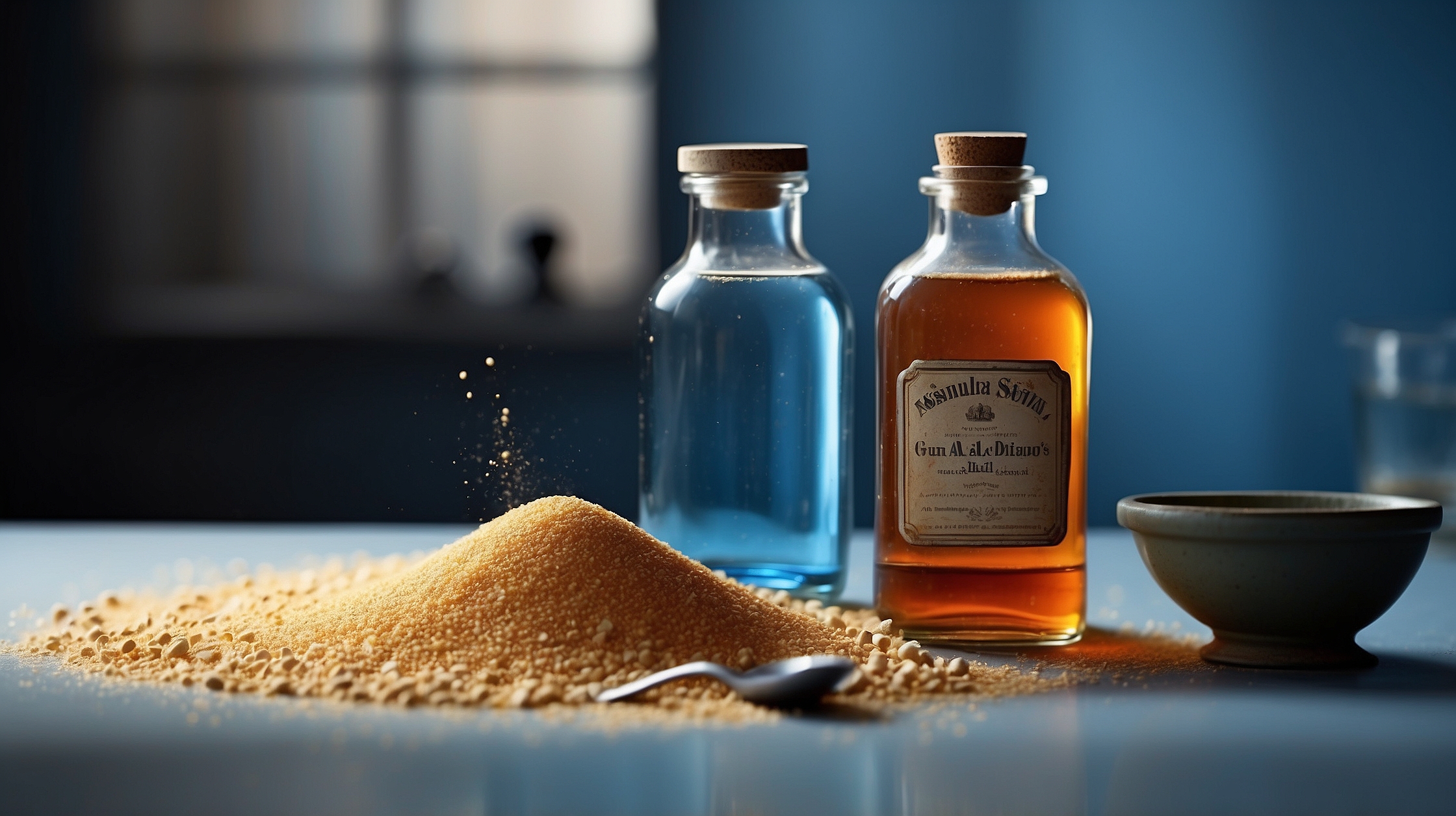
The combination of **baking soda and hydrogen peroxide** has long been a staple in DIY cleaning and personal care routines. Celebrated for their individual powers as household cleaners, whiteners, and even dental agents, mixing them together appears to create a supercharged solution. But while some praise this mixture for its efficacy, others in the scientific and medical communities remain cautious. The conflicting opinions stem from differing interpretations of safety data, chemical behavior, and proper household usage.
Across social media, TikTok, and Pinterest, users have shared countless hacks involving this combo—ranging from teeth whitening pastes to grout cleaners to underarm detox recipes. Enthusiasts point to the foaming action as proof of its cleaning abilities. However, many **experts urge caution**, noting that just because something appears to work doesn’t mean it’s always safe or advisable, especially with frequent or improper use.
Quick overview: Baking soda and hydrogen peroxide combination
| Application | Effectiveness | Common Risks | Expert Recommendation |
|---|---|---|---|
| Teeth Whitening | Moderate for stain removal | Tooth enamel erosion, gum irritation | Use occasionally and avoid long-term use |
| Cleaning Surfaces | High on grout, tubs, sinks | Material damage with overuse | Safe in moderation with correct ratios |
| Underarm Lightening | Mixed results | Skin sensitivity, burns | Patch test required |
| Mouthwash Substitute | Antibacterial action | Mucosal irritation | Use diluted and infrequently |
Why people love this DIY combo
When mixed together, **baking soda (sodium bicarbonate)** and **hydrogen peroxide (H2O2)** create a bubbling reaction that feels powerful and satisfying. Users mention benefits including whiter teeth, fresher breath, disinfected bathroom surfaces, and even odor-free sneakers. The foaming is caused by the release of oxygen gas when hydrogen peroxide reacts with baking soda, physically lifting dirt and grime while chemically oxidizing organic materials.
One of the primary appeals is its **low cost and convenience**. Both ingredients are readily available at pharmacies and supermarkets, making them accessible to a wide range of consumers. Unlike many proprietary cleaners with unfamiliar ingredient lists, people feel safer using these common substances they grew up with.
“The combination works so well because it merges the mechanical scrubbing action of baking soda with the oxidative power of hydrogen peroxide.”
— Dr. Lena Russell, Chemist and Researcher
How the combination actually works on a chemical level
The science behind this partnership is rooted in basic chemistry. Baking soda acts as a mild abrasive and pH neutralizer, while hydrogen peroxide breaks down into water and oxygen. When used together, especially in paste form, they exhibit enhanced cleaning through oxidation and micro-effervescence. This dynamic effect contributes to the removal of **organic stains and bacterial build-up** from surfaces, making it particularly effective in bathroom and kitchen applications.
Hydrogen peroxide also boasts **antimicrobial properties**, enabling it to kill bacteria, fungi, and even some viruses. When paired with the mild abrasiveness of baking soda, the result is a potent physical and chemical cleaner—when used correctly.
Dental use: Caution and moderation are key
Many people use a paste of baking soda and hydrogen peroxide to **whiten teeth** or freshen breath. While short-term use can lift surface stains and clean the mouth, sustained or overzealous application risks **eroding enamel**, **damaging gum tissue**, and **altering oral pH balance**. The American Dental Association acknowledges the cleaning properties of both ingredients but cautions against routine use without professional supervision.
“You could unknowingly strip your enamel or irritate your gums—especially if you use high concentrations or brush aggressively.”
— Dr. Hannah Lee, Cosmetic Dentist
Experts recommend no more than once or twice a week for teeth whitening applications, and strongly suggest consulting a dental professional before integrating such methods into your oral hygiene routine.
Effects on skin and personal hygiene
Some internet trends suggest the combo as a natural alternative for **underarm lightening**, foot soaks, or acne spot treatment. While baking soda helps exfoliate, hydrogen peroxide’s disinfectant properties can initially reduce bacteria and odor. However, **skin sensitivity** varies widely among individuals. Applying the mixture to sensitive or broken skin may cause irritation or even chemical burns.
“These ingredients weren’t designed for prolonged skin contact, especially in undiluted form. Misuse can lead to dermatitis or worse.”
— Dr. Mary Collins, Dermatologist
Always patch test a small area before attempting skin treatments and avoid using it daily. Furthermore, avoid applying to areas with cuts, burns, or recent shaving to reduce the risk of adverse reactions.
Home cleaning applications that shine
In contrast to more debated personal uses, using baking soda and hydrogen peroxide as a household cleaner is widely supported. The combination can effectively clean:
- Grout and tile lines
- Toilet bowls
- Bathtubs and sinks
- Kitchen countertops (non-porous)
- Cutting boards (when disinfecting)
Apply as a paste and allow to sit for 10–30 minutes before scrubbing and rinsing off. Its ability to **break down biofilm and lift mold or mildew** makes it a go-to option for many eco-conscious households avoiding bleach-based cleaners.
“It works wonders on bathroom grime. Just be careful on linoleum or porous stone, which can get etched by improper use.”
— Stephanie Ngo, Professional House Cleaner
Who should avoid this mixture entirely
Despite its benefits, this combination is not safe for everyone or every purpose. People with **sensitive skin, asthma, open wounds**, or **compromised immune systems** should avoid frequent exposure. Also, never mix hydrogen peroxide with vinegar or bleach, as this may release toxic gases. Households with pets or small children should also store these substances safely.
For dental use, anyone with existing **enamel erosion**, **gingivitis**, or dental implants should consult a dentist first. When cleaning, non-sealed porous surfaces like marble or hardwood may corrode or discolor.
Consistency and concentration make or break it
Success with the baking soda-hydrogen peroxide combination depends heavily on the right **ratios and frequency**. Common safe paste recipes recommend 1 part hydrogen peroxide (3% solution) to 2 parts baking soda. For cleaning solutions, one can mix equal parts and increase water content to reduce intensity.
Never use industrial-grade or higher-concentration hydrogen peroxide (above 6%) in household applications without proper dilution. Overuse can lead to damage, and incorrect combinations may form skin-irritant byproducts.
Your safest bet: occasional, targeted use
This recipe from the DIY world offers some real benefits, especially in kitchen and bathroom cleaning. When used in moderation and with proper guidelines, it can outperform many commercial cleansers. However, its growing visibility on platforms like social media can also create unrealistic expectations—and worse, encourage unsafe practices. Relying on expert advice, recognizing your skin and health sensitivities, and limiting frequent exposure remain crucial.
FAQs about the baking soda and hydrogen peroxide combo
Is it safe to brush my teeth with baking soda and hydrogen peroxide every day?
No, using it daily can erode enamel and irritate gums. It is best limited to once or twice a week.
Can I use this combo to clean my kitchen surfaces?
Yes, it’s particularly effective for countertops, sinks, and grout. Avoid porous surfaces like unsealed marble or granite.
Does it actually whiten teeth?
It can remove surface stains temporarily but does not change the underlying color of your teeth like bleaching products do.
Is mixing baking soda and hydrogen peroxide dangerous?
Not inherently, but misuse such as improper ratios, high concentration peroxide, or use on sensitive areas can be harmful.
How should I store the mixture?
It’s best to mix fresh each time. Hydrogen peroxide is unstable and degrades when exposed to light or air over time.
Can I use this mixture for deodorizing underarms?
Some do, but there’s a risk of skin irritation. Do a patch test first and don’t use immediately after shaving.
What concentration of hydrogen peroxide is safe for home use?
Only use 3% hydrogen peroxide for household and personal care applications unless advised otherwise by a professional.
Can I combine vinegar with this mixture?
No, combining hydrogen peroxide with vinegar can create peracetic acid, a potentially harmful substance.


