
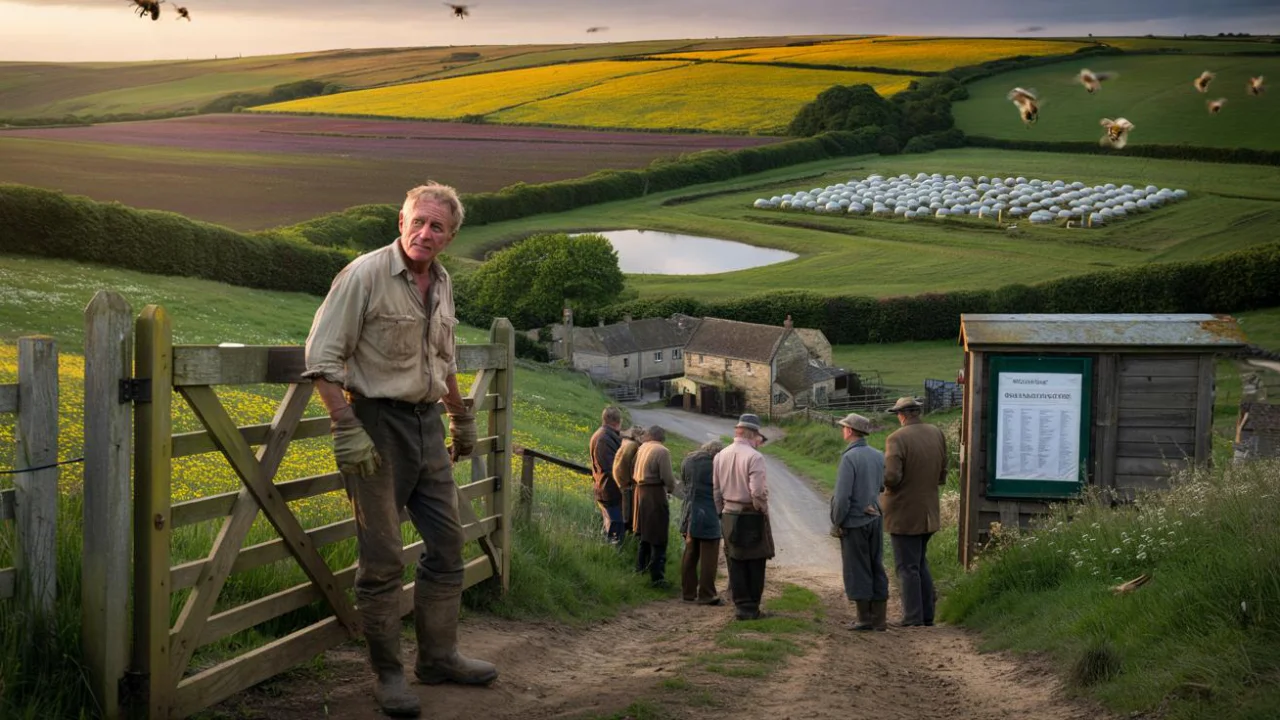
Sarah Phillips never thought twice about buying honey from the local farm shop until last month. The jar sat on her kitchen counter with its cheerful label: “From the hills above Brackenford.” She’d always felt good supporting local beekeepers, imagining rolling fields and happy bees buzzing between wildflowers.
Then she heard the whispers at the school gate. The honey wasn’t just local—it was from Michael Hargreaves’ land. And Michael, apparently, was getting tax breaks for hosting those hives while everyone else paid full council tax rates. “I felt like an idiot,” Sarah admits. “Here I was, paying premium prices to feel good about supporting the community, while he was supposedly gaming the system.”
Welcome to Britain’s most unlikely rural feud: a beekeeping land dispute that’s torn a Somerset village apart and turned a decade-long conservation success story into a bitter battle over fairness, taxes, and what it really means to support your community.
How Free Land for Beekeepers Became a Tax Controversy
Michael Hargreaves thought he was doing the right thing when he opened his 40-acre Somerset property to local beekeepers a decade ago. No rent, no contracts—just a handshake deal that let six beekeeping operations place nearly 80 hives across his wildflower meadows and conservation areas.
The arrangement worked perfectly until last winter, when a council reclassification letter changed everything. Because commercial beekeeping operations were using his land, the council determined portions of his property qualified for agricultural tax rates rather than residential ones.
“Nobody expects to become a villain for letting people keep bees on your land for free,” says rural tax specialist James Morton. “But when property taxes are involved, even the most innocent arrangements can look suspicious to neighbors struggling with their own bills.”
The beekeeping land dispute exploded when word spread about Michael’s reduced tax burden. In a village where everyone knows everyone else’s business, the news that he might be saving thousands in council tax while others paid full residential rates felt like a betrayal.
What started as conservation partnership had become the center of accusations about tax avoidance, social inequality, and whether Michael had planned this outcome from the beginning.
The Real Numbers Behind the Beekeeping Tax Break
Understanding this beekeeping land dispute requires looking at the actual figures involved. Here’s what changed when Michael’s land was reclassified:
| Category | Before Reclassification | After Reclassification | Annual Difference |
|---|---|---|---|
| Residential Land (35 acres) | £3,400 | £3,400 | £0 |
| Agricultural Land (5 acres) | £850 | £340 | -£510 |
| Total Annual Council Tax | £4,250 | £3,740 | -£510 |
The key factors that triggered the reclassification include:
- Commercial honey production generating retail sales
- Regular vehicular access for hive maintenance
- Structured placement of 80+ hives across designated areas
- Formal agreements with multiple beekeeping operations
- Land management specifically supporting agricultural activity
“The £510 annual saving isn’t huge money, but in a rural community where people are choosing between heating and eating, it feels significant,” explains local councillor Janet Brewster. “It’s not about the amount—it’s about the principle of fairness.”
The beekeeping operations themselves generate substantial value. Conservative estimates suggest the 80 hives produce around 2,400 pounds of honey annually, worth approximately £24,000 at retail prices. None of this revenue goes to Michael, but critics argue he benefits indirectly through tax savings.
When Conservation Meets Community Resentment
The beekeeping land dispute has revealed deeper tensions about rural inequality and who benefits from conservation efforts. Michael’s neighbors aren’t just angry about tax savings—they’re questioning whether his environmental work serves the broader community or just his own interests.
Village residents point to other concerns that have built up over the years:
- Increased traffic from beekeepers accessing the site
- Questions about whether free land use constitutes unfair competition
- Resentment over Michael’s ability to maintain large unused acres
- Suspicion that conservation was always a cover for financial benefit
“Michael positioned himself as this environmental hero, planting wildflowers and building owl boxes,” says longtime neighbor Pete Richardson. “Now it looks like he was setting up a tax dodge while the rest of us foot the bill for local services.”
The accusation stings because Michael genuinely invested in conservation. His land features native hedgerows, wildlife ponds, and carefully managed meadows that support endangered bird species. Local naturalist groups regularly use his property for educational visits.
“This whole dispute misses the point about what he’s actually achieved environmentally,” argues Dr. Emma Foster, who studies rural conservation. “Eighty beehives supporting local ecosystems shouldn’t be controversial, regardless of tax implications.”
But good intentions don’t resolve the fundamental question driving this beekeeping land dispute: should environmental stewardship come with financial rewards, and if so, who decides what’s fair?
The Wider Impact on Rural Communities
This beekeeping land dispute reflects broader challenges facing rural Britain, where traditional community relationships are strained by economic pressures and changing agricultural policies.
Similar conflicts are emerging across the countryside as landowners discover new ways to monetize environmental stewardship. Government incentives for rewilding, carbon sequestration, and biodiversity projects can create unexpected tax advantages that alter local dynamics.
“We’re seeing this pattern everywhere,” notes rural policy researcher Tom Ashworth. “What starts as community-minded conservation becomes controversial when money gets involved, even indirectly.”
The dispute has practical consequences beyond hurt feelings. Three of the six beekeeping operations are now looking for alternative sites, worried about continued community hostility. The local honey brand that featured “hills above Brackenford” has quietly changed its labeling.
More significantly, other landowners in similar situations are reconsidering their own arrangements. Two nearby properties that hosted beehives have terminated agreements rather than face similar scrutiny.
“The chilling effect is real,” says beekeeper Tom Harrison, who’s been forced to relocate 20 hives. “Landowners are scared of being branded tax cheats for supporting local food production.”
The village itself remains divided. Parish council meetings have become tense affairs where the beekeeping land dispute dominates discussions that should focus on potholes and playground maintenance. Facebook groups have split into opposing camps, with longtime friends taking sides.
For Michael, the man at the center of it all, the situation feels surreal. “I opened my land to help local beekeepers and support wildlife,” he says. “Now I’m apparently public enemy number one for following tax rules I didn’t even know existed.”
FAQs
Why did Michael’s land get reclassified for tax purposes?
The presence of commercial beehives generating retail honey sales qualified part of his property as agricultural use, which carries lower tax rates than residential land.
How much money is Michael actually saving?
The reclassification reduces his annual council tax by approximately £510, a relatively modest amount that has become symbolic of larger fairness concerns.
Was Michael deliberately trying to avoid taxes?
There’s no evidence he planned the tax implications when he first allowed beekeepers to use his land for free ten years ago. The reclassification appears to have been an unexpected consequence.
Are other landowners facing similar disputes?
Yes, this type of conflict is becoming more common as rural communities navigate changing agricultural policies and environmental incentives that can create tax advantages.
What happens to the bees if this dispute continues?
Several beekeeping operations are already relocating their hives to avoid community hostility, which could impact local honey production and pollination services.
Could this dispute have been avoided?
Better communication about the tax implications and more transparent discussion of the arrangement’s benefits to the community might have prevented the current hostility.


