
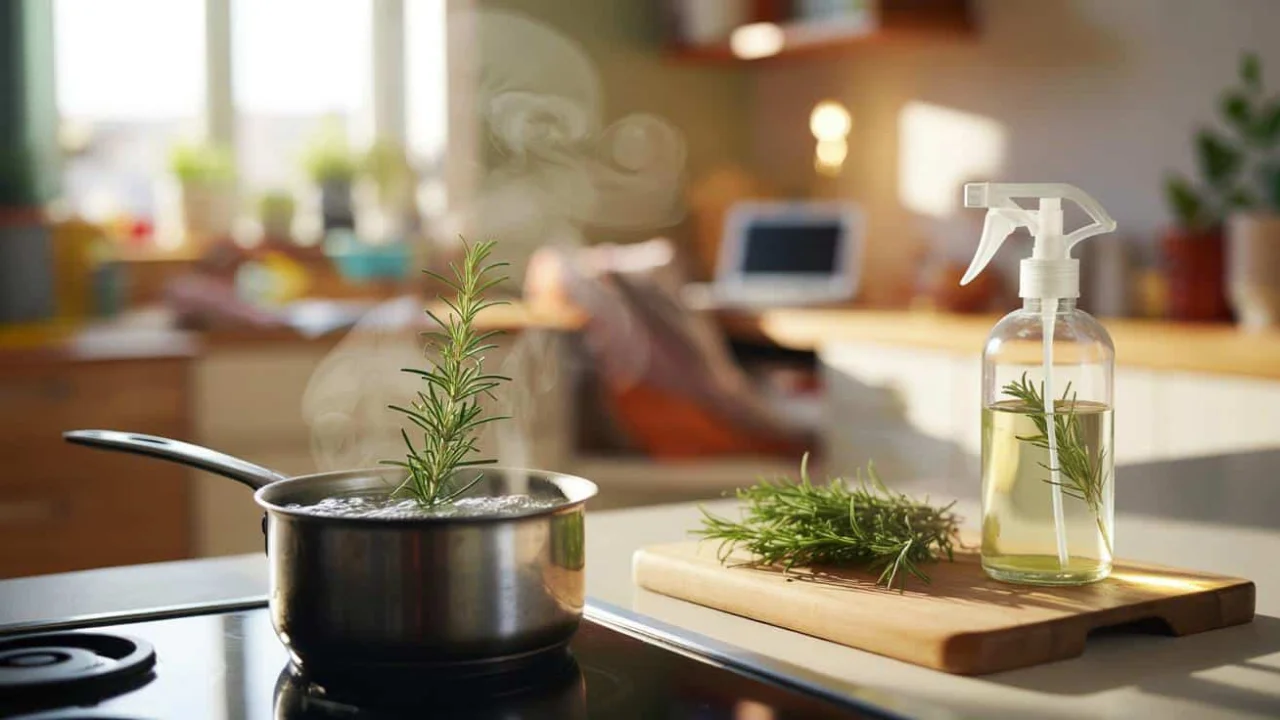
Last Tuesday, I found myself standing in my kitchen at 7 PM, staring at a wilted sprig of rosemary I’d forgotten about since Sunday’s roast. Instead of tossing it in the trash, something made me drop it into a pot of water and turn on the heat. Within minutes, my entire apartment transformed. The smell wasn’t just pleasant—it was like someone had opened a window to a Mediterranean hillside right there in my cramped city kitchen.
That simple act of boiling rosemary at home became my evening ritual. No fancy equipment, no expensive oils, just tap water and a herb that costs less than a coffee. But the effects? Those surprised me completely.
What started as a way to avoid waste turned into something I actually look forward to each day. And apparently, I’m not alone.
The surprising trend taking over home kitchens
Walk through social media these days and you’ll spot them—quiet videos of people gently simmering rosemary sprigs in small pots. No dramatic music, no complicated instructions. Just water, herb, steam, and a kind of satisfied calm that’s hard to fake.
There’s something beautifully old-school about boiling rosemary at home. It feels like rediscovering a practice your grandmother might have done without making a big deal about it. You watch the water slowly turn golden, breathe in that clean, piney scent, and suddenly your space feels different.
“I started doing this during lockdown when my apartment felt like it was closing in,” says Sarah Chen, a graphic designer from Portland. “Now I can’t imagine my evening routine without it. My neighbor asked if I got a new air purifier. Nope—just a 99-cent herb and some patience.”
The science behind this simple ritual is surprisingly solid. Rosemary contains powerful aromatic compounds like cineole and camphor that become airborne when heated. These aren’t just pleasant smells—they actually interact with your brain’s limbic system, the part that handles memory, emotion, and stress response.
Research from Northumbria University found that rosemary aroma can improve cognitive performance and memory retention by up to 15%. When you’re boiling rosemary at home, you’re essentially creating a natural aromatherapy session that costs pennies.
What happens when you boil rosemary and how to do it right
The process couldn’t be simpler, but getting the most out of it requires knowing a few key details:
| Step | Details | Time |
|---|---|---|
| Prep | Fill small saucepan with 2 cups water, add 1 fresh sprig | 1 minute |
| Heat | Bring to gentle boil over medium heat | 3-5 minutes |
| Simmer | Reduce heat to low, leave uncovered | 10-15 minutes |
| Enjoy | Let steam disperse naturally through room | Ongoing |
The key is keeping it gentle. A rolling boil will destroy the delicate oils you want to release. Think of it more like making tea than cooking pasta—you want those aromatic compounds to lift into the air slowly and steadily.
Fresh rosemary works best, but dried will do in a pinch. Use about half the amount if you’re working with dried herbs. The water will gradually take on a pale golden color as the oils infuse.
Here’s what people are using boiled rosemary for in their homes:
- Natural air freshening without synthetic chemicals
- Creating a calming atmosphere during work-from-home days
- Improving focus during study sessions or creative work
- Replacing expensive essential oil diffusers
- Adding humidity to dry winter air
- Creating a spa-like atmosphere for self-care evenings
“I run a small business from my dining table,” explains Marcus Rivera, a freelance writer from Austin. “When I’m struggling with a difficult project, I put a pot of rosemary water on the stove. Something about that smell just clears my head. My productivity definitely improves.”
The real benefits you’ll actually notice
Beyond the obvious aromatherapy benefits, boiling rosemary at home serves some surprisingly practical purposes. The steam adds moisture to dry indoor air, which is especially helpful during winter months when heating systems can make your home feel like a desert.
The antimicrobial properties of rosemary may also help purify the air naturally. While it won’t replace proper ventilation or air filtration, it’s a gentle way to add some natural freshness to stuffy spaces.
For people dealing with stress, the ritual itself becomes part of the benefit. Taking five minutes to prepare the water, watch it heat, and breathe in the rising steam creates a natural pause in busy days.
“My therapist calls it ‘mindful moments,'” shares Jessica Park, a teacher from Denver. “I don’t meditate or do yoga, but this works for me. It’s like hitting a reset button on my nervous system.”
The cognitive benefits are subtle but real. Many people report feeling more alert and focused after spending time around boiled rosemary. It’s not a dramatic change, but in a world full of distractions, even small improvements in mental clarity matter.
The financial aspect is hard to ignore too. A single rosemary plant from the grocery store costs about three dollars and provides weeks of sprigs. Compare that to premium candles, reed diffusers, or essential oil blends, and you’re looking at significant savings.
Making it work in your actual life
The beauty of boiling rosemary at home is how easily it fits into existing routines. You don’t need to carve out special time or buy special equipment. Most people find natural moments to incorporate it.
Morning people often start a pot while making coffee, letting the steam wake up their senses along with the caffeine. Evening relaxers prefer it as a wind-down ritual, simmering rosemary while preparing dinner or settling in for the night.
Work-from-home folks have discovered it’s perfect for transition times—that awkward period between finishing work and starting evening activities. The 15 minutes of gentle simmering creates a natural boundary between work brain and home brain.
Keep in mind that a little goes a long way. One sprig is usually plenty for an average room. Too much can make the scent overwhelming rather than pleasant. Start small and adjust based on your space and preferences.
The leftover rosemary water doesn’t have to go to waste either. Once cooled, you can use it to water plants, add it to a bath, or store it in the refrigerator for up to a week to use again.
FAQs
How long should I boil rosemary to get the best aroma?
Simmer gently for 10-15 minutes after bringing to a boil. Longer than that and you’ll start to lose the delicate oils that create the pleasant scent.
Can I reuse the same rosemary sprig multiple times?
Fresh sprigs are best used once for maximum aroma, but you can get a second, lighter session from the same sprig if used within 24 hours.
Is it safe to leave boiling rosemary unattended?
Never leave any pot unattended on the stove. Stay in the kitchen and keep the heat low to prevent the water from boiling away completely.
What’s the difference between using fresh versus dried rosemary?
Fresh rosemary releases more aromatic oils and creates a stronger, cleaner scent. Use about half the amount if using dried rosemary.
Can boiling rosemary help with allergies or congestion?
While rosemary has natural antimicrobial properties, it’s not a medical treatment. Some people find the steam soothing, but consult a healthcare provider for persistent respiratory issues.
How often can I do this without it becoming overwhelming?
Most people find 2-3 times per week is perfect. Daily use might make you less sensitive to the benefits, while less frequent use means you won’t establish it as a helpful routine.


