
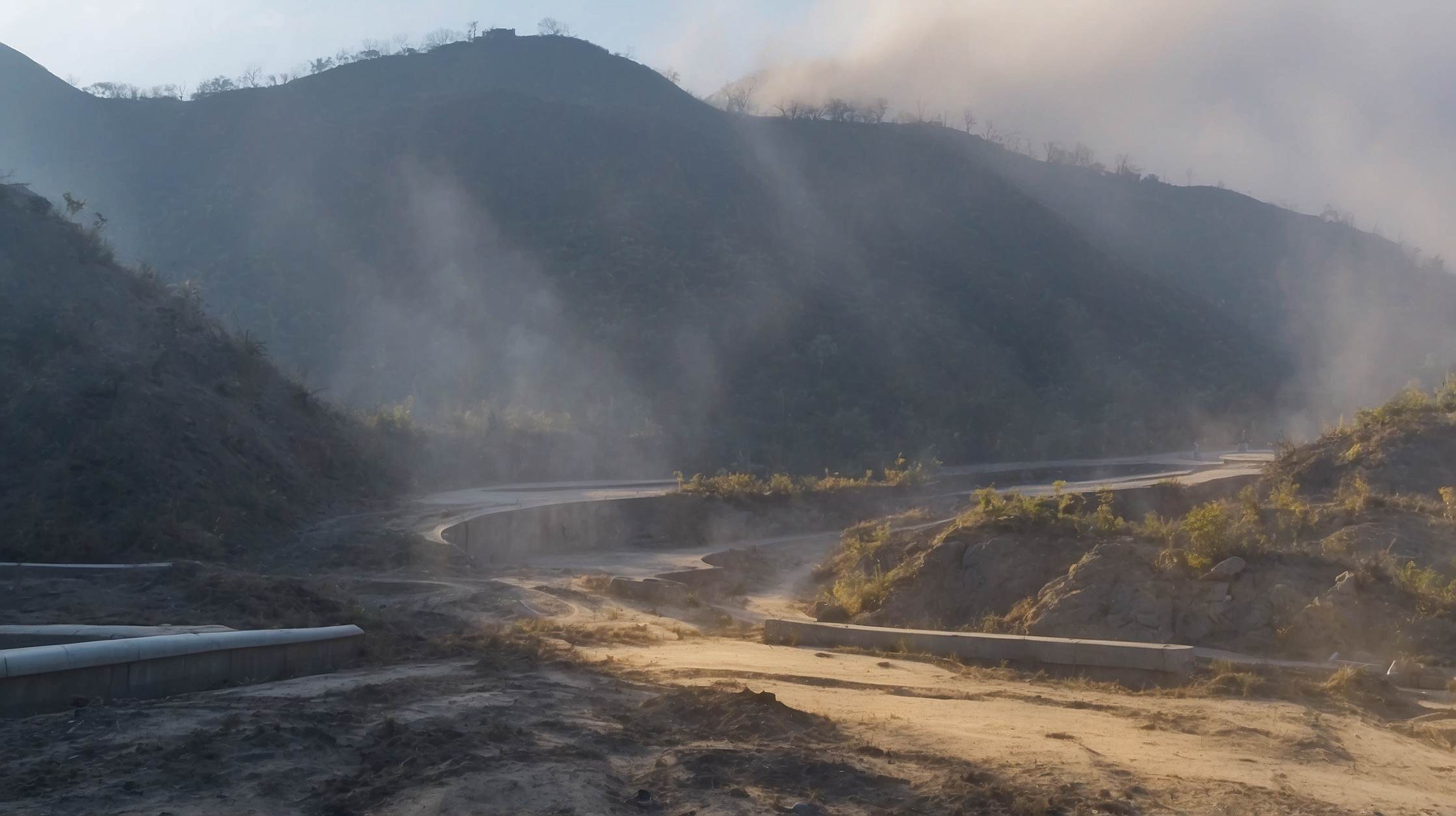
In a monumental feat of engineering and ambition, China has accomplished a new record by completing a 22.13-kilometer-long highway tunnel project, underlining its growing dominance in global infrastructure development. The tunnel, part of the major highway network across the mountainous regions of Shaanxi province, stretches under extremely challenging terrain and symbolizes a major leap forward for tunnel construction, not only for China but globally. This project showcases the country’s advanced tunnel-boring capabilities and reaffirms its reputation as a global leader in complex civil engineering projects.
This mega tunnel project is not merely a record for its length; it also reflects how China is integrating technology, sustainability, and geographic intelligence into massive infrastructure ventures. The tunnel plays a crucial role in improving the national expressway system, drastically cutting commute times, enhancing cross-regional logistics, and even contributing to the country’s green transportation ambitions. For engineering professionals and city planners around the world, this tunnel serves as both inspiration and a technical case study of innovation under pressure.
Project Overview at a Glance
| Project Name | 22.13-km Highway Tunnel in Shaanxi Province |
| Country | China |
| Tunnel Length | 22.13 kilometers |
| Record Set | Longest highway tunnel built in China |
| Main Purpose | Enhanced regional transportation and logistics |
| Construction Challenges | Mountainous terrain, environmental constraints, seismic activity zones |
| Technologies Used | Tunnel Borers, Smart Monitoring, Seismic-resistant Structures |
| Green Initiatives | Emission controls, energy-efficient systems |
What makes this tunnel a groundbreaking achievement
Tunneling across treacherous mountainous regions is an immense challenge, let alone building one that spans over 22 kilometers. The tunnel not only required cutting-edge boring machines and sophisticated geological surveying but also demanded continuous real-time monitoring to manage risks like landslides and underground water intrusion. Unlike many conventional tunnels, this project incorporated **smart structural elements** and maintenance rail lines for rapid emergency response, making it resilient and future-ready.
The complexities faced during excavation forced us to rethink our entire geotechnical approach. We had to innovate not only on-site but also in planning, design, and materials selection.
— Dr. Liang Chong, Lead Civil Engineer
China’s National Development and Reform Commission (NDRC) spearheaded the initiative as part of their national transportation and economic corridor expansion. The aim? To reduce heavy logistical burden from congested corridors and open up underdeveloped inland areas for economic integration and modernization. The tunnel now serves as a pioneering link for long-haul cargo and commuter transportation, minimizing travel time significantly.
Strategic routes and regional impact
This tunnel is positioned as a keystone between major cities within Shaanxi province, connecting economic hubs and remote villages alike. It forms a part of the multi-lane expressway running through the Qinling mountains, previously a natural bottleneck for high-speed transit.
The infrastructure modernization includes not just the tunnel but adjoining expressway lanes, emergency response facilities, monitoring towers, and weather-resistant pavement. This expansion is expected to revitalize surrounding economies by attracting investment, facilitating smoother e-commerce logistics, and massively decreasing reliance on slower, accident-prone mountain passes.
This project isn’t just infrastructure; it’s an artery of commerce and connectivity for West China.
— Mei Zhao, Urban Development Analyst
Technological innovation in large-scale tunneling
At the heart of this engineering marvel lies **advanced tunnel boring technology**. The machines used were specially designed for variable geology—ranging from hard rock to soft clay, all under significant pressure. Continuous feedback loops from sensors embedded in the machinery allowed engineers to make microsecond decisions to prevent collapse or operational failure.
Moreover, artificial intelligence and big data analytics were employed to manage and predict tunnel integrity throughout the build. The automated systems could recalibrate boring angles and water drainage layouts based on seismic studies and stress maps.
The AI-powered management system reduced the risk radius by more than 40%. That’s unheard of in projects of this depth and complexity.
— Wei Tang, AI Systems Architect
Environmental and ecological considerations
One of the standout decisions in this project was putting **green development** at the forefront. Survey teams worked around rare flora and fauna in the mountain biosphere, redirecting excavation routes to protect biodiversity. Moreover, **air filtration systems** and electric-powered machinery reduced carbon emissions during the project by over 30% compared to standard methods.
Post-construction, the tunnel integrates a smart energy management system that powers lighting, sensors, and ventilation through renewable sources. This aligns with China’s commitment to reach peak carbon emissions before 2030 and attain carbon neutrality by 2060.
Winners and losers from the new development
| Winners | Losers |
|---|---|
| Regional commerce and logistics firms | Local trucking companies using mountain routes |
| Commuters and long-haul travelers | Environmental groups with concerns on long-term impact |
| Construction and tech sector contractors | Older transportation infrastructure providers |
| Urban planners and civil engineers | Tourism in now bypassed areas |
Future outlook and national significance
This tunnel is part of a larger roadmap that places infrastructure expansion as a central pillar of China’s strategy on modernization and regional equality. Such developments are not isolated cases—they are part of an interlinked strategy to eliminate geographical divides and promote comprehensive development across different strata of society.
More mega tunnels are expected in China’s upcoming five-year plan, with advances not just in length but also in automation, sustainability, and integration into **next-gen transportation corridors**. Moving forward, we may witness a redefinition of rural access, emergency healthcare delivery, and freight logistics in hard-to-reach icy or hilly regions thanks to these revolutionary developments.
Frequently Asked Questions
Where is the 22.13-kilometer tunnel located?
The tunnel is located in Shaanxi province, China, and is part of a larger expressway system crossing the Qinling mountain range.
What makes this tunnel unique?
Its record-breaking length, smart monitoring technologies, seismic-resistant design, and environmentally-friendly construction practices set it apart from typical highway tunnels.
How long did construction take?
While official timelines are scarce, similar scale projects usually take 5–7 years, including planning and geo-surveys. This project followed an accelerated schedule due to technological support.
Is the tunnel already in operation?
Yes. The tunnel has now officially opened for vehicular traffic and is being monitored around the clock through smart infrastructure networks.
How does this tunnel reduce travel time?
It bypasses lengthy and often dangerous mountain routes, cutting travel time by more than 50% for specific regional corridors.
What are the main safety features in this tunnel?
The tunnel includes fire-resistant materials, real-time surveillance, seismic alert systems, emergency lanes, and ventilation for smoke dispersion.
Is this tunnel part of larger infrastructure plans?
Absolutely. The tunnel serves as a backbone to China’s broader goals to modernize inland provinces and integrate them into national economic hubs.
How does this impact local economies?
It boosts local economies by attracting logistics companies, reduces delays, and enables more seamless access to urban markets and services.


