
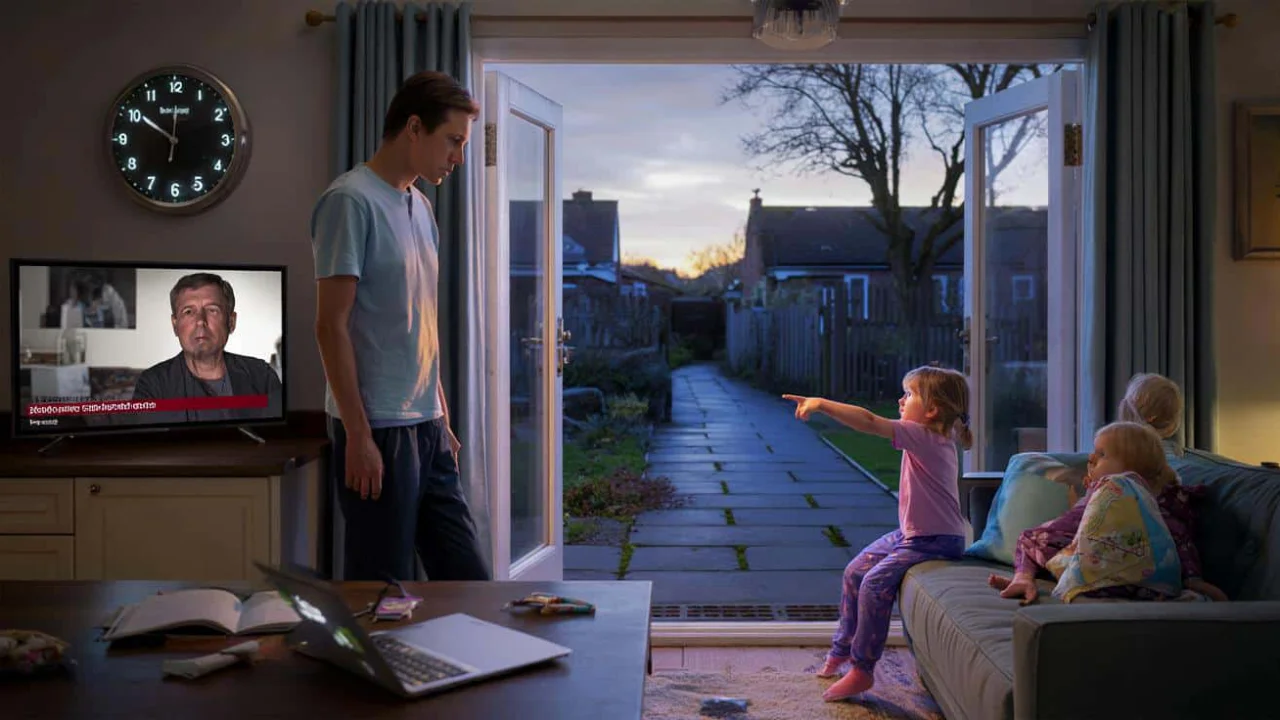
Sarah stared at her kitchen clock, then at her phone, then back at the clock. 7:15pm on a Sunday evening in late March, and her five-year-old was bouncing off the walls while golden light streamed through the windows. “Mummy, why do I have to go to bed when it’s still daytime?” he demanded, and honestly, she didn’t have a good answer.
The clocks had sprung forward that morning, but her son’s body clock hadn’t got the memo. Neither had hers, really. Everything felt shifted, like someone had grabbed their entire routine and nudged it sideways by an hour.
This scene will play out in thousands of homes across the UK in 2026, but with an extra twist that’s going to catch families off guard.
Why 2026’s Daylight Saving Time Changes Feel Different
The UK’s clocks will spring forward on Sunday 29 March 2026, which sounds perfectly normal until you realize how early that lands. We’re talking about British Summer Time kicking in while March still feels properly wintry, not the almost-spring timing our bodies have grown used to.
This earlier shift means the daylight saving time changes will hit when our internal clocks are least prepared for them. Your body will still be locked into late-winter mode, expecting shorter days and earlier sunsets, when suddenly the evening light stretches an hour longer than yesterday.
“The timing of this change creates a bigger adjustment period than people expect,” says Dr. Emma Richardson, a sleep specialist at Manchester University. “When clocks change in late March, our circadian rhythms are still quite winter-adapted. The shock to the system is more pronounced.”
The practical impact? Kids who were finally settling into bedtime routines will suddenly be wide awake at 8pm with blazing sunshine outside. Adults will find their morning commutes plunged into an extra hour of darkness, while evenings stretch out longer than their energy levels can handle.
The Exact Timeline That’s Going to Mess With Your Week
Here’s exactly what families across the UK can expect when the daylight saving time changes hit in 2026:
| Date | Sunset Time (London) | What This Means |
|---|---|---|
| Saturday 28 March | 6:20pm | Normal winter evening routine |
| Sunday 29 March | 7:20pm (after clocks spring forward) | Suddenly an hour more daylight |
| Monday 30 March | 7:22pm | Kids refusing bedtime, adults confused |
| Friday 2 April | 7:28pm | Full adjustment period begins |
The key disruptions will include:
- Children’s bedtime routines thrown off by bright evening light
- Morning commutes feeling unnaturally dark and groggy
- Evening meals happening in unexpected daylight
- Weekend plans confused by the time shift
- Sleep patterns taking up to two weeks to readjust
The changes don’t stop at bedtime chaos. Parents will find school pickup times feel completely different, evening activities will clash with ingrained body clocks, and that Sunday roast dinner will suddenly be happening in what feels like the middle of the afternoon.
“We see this every year, but when the change happens earlier, the adjustment period stretches longer,” notes Dr. James Mitchell, a chronobiology researcher at Edinburgh University. “Your body expects gradual seasonal light changes, not sudden hour-long jumps.”
Who Gets Hit Hardest by the Earlier Clock Switch
Families with young children will feel the biggest impact. Toddlers and primary school kids can’t rationalize why they need to sleep when it’s clearly still daytime outside. Their natural sleep cues come from light levels, not clock faces.
Parents working standard office hours will face a double hit. Morning routines will happen in darker conditions than their body clocks expect, while evening wind-down time gets pushed into surprisingly bright conditions.
Shift workers already struggling with irregular sleep patterns will find the early daylight saving time changes particularly disruptive. Their carefully managed sleep schedules get knocked sideways just when winter sleep patterns were finally settling.
“The earlier timing amplifies all the usual problems,” explains Dr. Lisa Chen, a workplace wellness specialist. “We’re asking people to adjust their sleep-wake cycles when their bodies are still primed for shorter days.”
Elderly residents often struggle more with any time changes, and the earlier 2026 shift could hit harder. Their sleep patterns tend to be more fragile, and the abrupt change in light exposure can take longer to adjust to.
Even pets will feel confused. Dogs and cats run on natural light cycles, so that extra hour of evening brightness will leave them wondering why dinner time suddenly feels different.
The Ripple Effects Nobody Talks About
Beyond the obvious bedtime battles, the earlier daylight saving time changes create subtle disruptions that build up through the week. School performance often dips in the days following clock changes, as tired kids struggle to concentrate in morning lessons.
Evening commutes will feel strange too. That drive home that usually happened in winter twilight will suddenly be bathed in proper daylight, throwing off the mental signals that say “workday is over.”
Restaurants and pubs might see earlier dinner bookings as people struggle to adjust their meal timing to the new light patterns. Evening exercise classes could face attendance issues as people’s energy levels don’t match the extended daylight.
“The 2026 timing creates a bigger disconnect between social schedules and biological rhythms,” warns Dr. Richardson. “It’s not just about being tired – it’s about everything feeling slightly out of sync for longer.”
The good news? Most people do adjust within 10-14 days. The challenging part is that first week when nothing quite feels right, bedtimes become negotiations, and morning alarms feel more brutal than usual.
FAQs
Why are the clocks changing earlier in 2026?
The clocks always change on the last Sunday in March, which happens to fall on 29 March in 2026 – earlier than some recent years.
How long does it take to adjust to daylight saving time changes?
Most people need 7-14 days to fully adjust, though children and older adults may take longer.
Will the earlier change affect my sleep more than usual?
Yes, because your body will still be adapted to winter light patterns when the change happens, making the adjustment more noticeable.
Should I prepare my family differently for the 2026 clock change?
Start shifting bedtimes and meal times by 15 minutes a few days before the change, especially for young children.
Do all European countries change their clocks on the same date?
Yes, all EU countries and the UK change on the last Sunday in March, but this timing feels earlier because of where it falls in 2026.
Will my pet be affected by the clock change?
Yes, pets rely on natural light cues and may seem confused about meal times and walk schedules for several days.


