
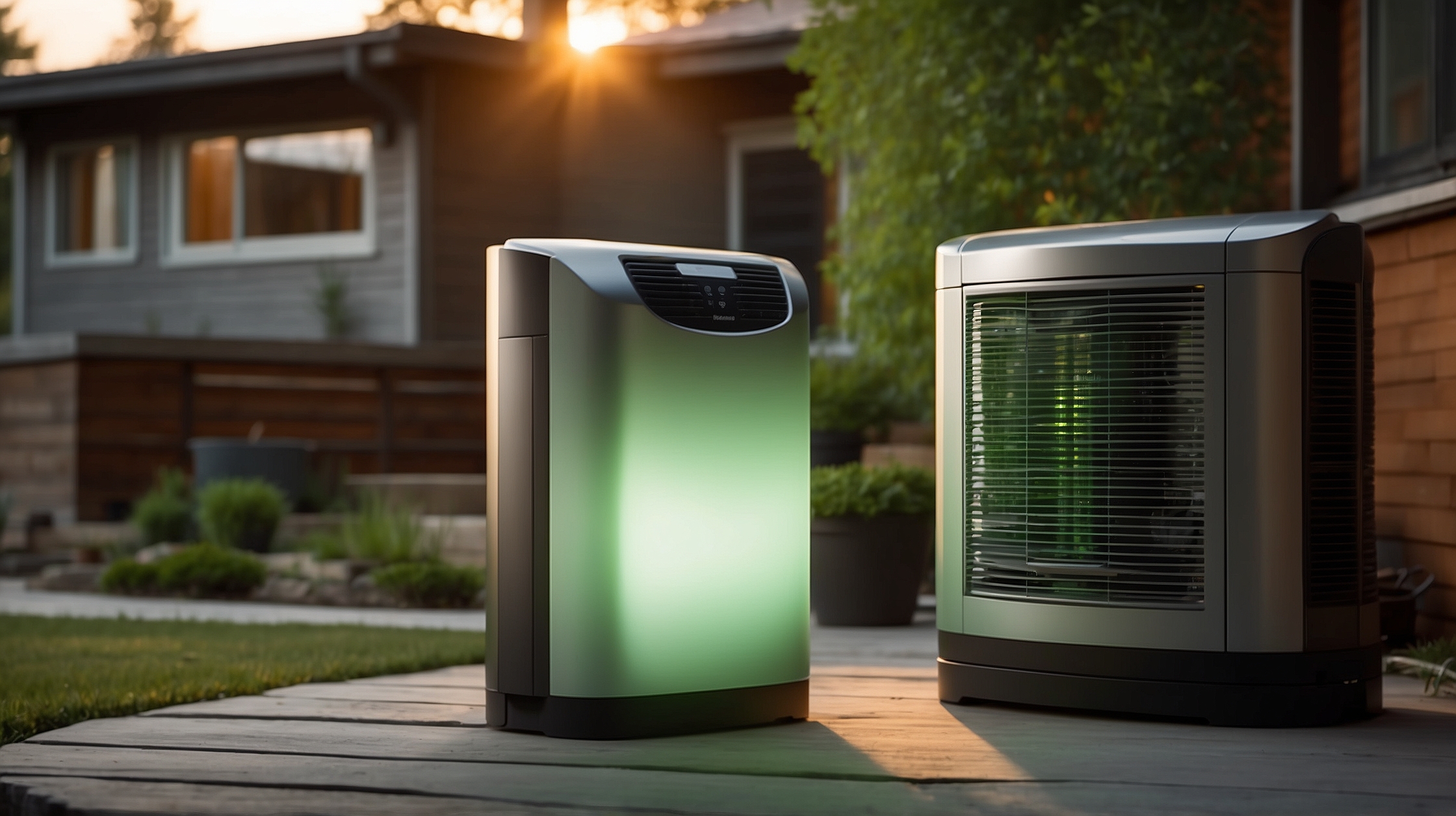
As heating costs continue to surge and environmental concerns mount, energy experts are urging homeowners and policymakers to turn their attention away from traditional wood pellet heating. A new alternative is emerging that promises to be both cheaper and significantly cleaner: electric heat pumps powered by renewable energy. This game-changing technology could reshape how homes are heated in colder climates, reducing emissions while also lightening the financial load for families during harsh winter months.
Wood pellets, once hailed as a greener substitute to oil and gas heating, are now facing scrutiny due to their carbon footprint, especially when sourced from large-scale logging operations. In contrast, electric heat pumps have rapidly gained traction as a scalable, sustainable solution. By efficiently transferring heat rather than generating it from combustion, these systems significantly cut down on carbon emissions and energy waste, offering a clear path toward widespread residential decarbonization.
Heat pump vs wood pellet: Quick comparison overview
| Factor | Wood Pellet Heating | Electric Heat Pump |
|---|---|---|
| Initial Installation Cost | Low to Moderate | Moderate to High |
| Running Cost | Moderate to High | Low |
| Carbon Emissions | Moderate | Low to None (if renewable-powered) |
| Fuel Dependency | Requires regular pellet supply | Fully electric |
| Maintenance | High | Low |
| Lifespan | 15–20 years | 20–25 years |
Why energy experts are signaling a shift
Traditionally, biomass and specifically wood pellet heating systems have been subsidized and promoted as environmentally friendly ways to reduce fossil fuel use. However, new research and field assessments reveal that these systems still emit considerable levels of carbon dioxide, particularly when pellets are produced from whole trees rather than milling by-products or dead wood. Furthermore, the lifecycle emissions—including harvesting, processing, and transportation—can rival or exceed those of fossil fuels in certain contexts.
In contrast, **electric heat pumps** offer remarkable efficiency. For every unit of electricity consumed, these systems can provide up to three units of heat, drastically lowering total energy consumption. When paired with clean grid electricity or on-site solar power, the **emissions profile of heat pumps drops nearly to zero**, making them an ideal candidate for climate-focused heating initiatives.
What makes heat pumps more cost-effective over time
The upfront investment for heat pumps can deter some homeowners. However, long-term savings outpace wood pellet systems by a wide margin. Wood pellet prices have become increasingly volatile, particularly as demand grows in Europe and North America. Supply chain disruptions and forest conservation policies have further tightened the market. Meanwhile, electric heat pumps, with fewer mechanical components and a lower risk of fuel price exposure, promise economically stable heating for decades.
“The return on investment begins after just 4-5 years for most homeowners,” said an industry consultant. Combined with generous federal, state, and utility rebates, the upfront cost barrier for heat pumps is decreasing rapidly.
Environmental impacts of sourcing biomass
Recent scientific studies emphasize the **detrimental effects of large-scale logging for wood pellets**, especially when it involves clear-cutting old-growth or carbon-rich forests. Burning pellets releases carbon immediately while regrowth takes decades to reabsorb the CO₂.
“Using wood pellets might seem green because it’s a natural material, but the process isn’t sustainable at scale, especially not for heating millions of homes,”
— Dr. Carla Jensen, Climate Systems Researcher
Electric heat pumps, in contrast, rely on the electricity grid and benefit from increasingly clean energy mixes. In areas where solar, wind, or hydro are prevalent, the **carbon footprint of heat pumps shrinks significantly year after year**.
Who benefits most from switching to heat pumps
Homeowners in colder climates stand to gain the most, particularly those currently relying on expensive and high-emission fuels like propane, oil, or wood. Modern cold-climate heat pumps now operate efficiently even below -15°F, eliminating the temperature-related drawbacks that once limited their utility.
The elderly, low-income families, and rural households can also reap economic and health benefits. Cleaner indoor air, reduced maintenance hassles, and eligibility for rebates make the transition feasible and attractive.
| Winners | Losers |
|---|---|
| Homeowners switching to electric heat pumps | Wood pellet manufacturers relying on whole tree logging |
| States with clean energy grids | Regions reliant on biomass subsidies |
| Low-income households (post-rebate) | Fossil fuel and wood fuel supply chains |
Supportive policies and funding opportunities
The Inflation Reduction Act and numerous state-level climate action plans are offering **financial incentives up to $8,000** for eligible heat pump installations. Some utilities offer additional rebates, low-interest loans, or on-bill financing to ease the transition. Property owners looking to **decarbonize heating systems** are urged to act quickly, as funding may be capped in some programs.
Installers and service providers are also seeing workforce development grants and training subsidies, preparing them for increasing demand in the clean energy sector.
How homeowners can make the switch
Transitioning from wood pellets to a heat pump requires assessment of heating needs, insulation quality, and overall system design. Experts recommend:
- Conducting an energy audit to identify efficiency improvements
- Consulting a certified HVAC professional for system sizing
- Exploring federal and state rebates before committing
- Considering bundling with solar PV for optimal sustainability
Some installers offer **turnkey packages** that include insulation upgrades, electrical work, and permit handling, streamlining the process for busy homeowners.
Trends influencing the heating landscape
Increased educational efforts, rising heating bills, and a shifting narrative about biomass are encouraging many to reconsider their heating sources. Manufacturers are also racing to develop smarter, quieter, and more durable heat pump models. Industry leaders forecast that by 2030, **over 40% of homes in northern states could be equipped with electric heat pumps**, displacing both oil and biomass systems.
“We’ve passed the tipping point—heat pumps are no longer experimental or niche. They are now mainstream for residential heating,”
— Greg Flanner, Director of Sustainable Energy Cooperative
Short FAQs about heat pumps vs wood pellet heating
Is a heat pump better than a wood pellet stove for the environment?
Yes, heat pumps emit far less CO₂—especially when powered by renewables—while wood pellet combustion still contributes to atmospheric carbon and can lead to forest degradation.
Can heat pumps work in very cold climates?
Modern cold-climate heat pumps function efficiently in temperatures as low as -15°F, making them viable in northern states and mountainous regions.
Do wood pellets cause indoor air pollution?
Yes, burning wood pellets can release fine particulates indoors if ventilation is poor or the stove is improperly maintained.
How much do heat pumps cost to run compared to wood pellets?
Heat pumps are generally cheaper to operate thanks to their efficiency and stable electricity prices, especially when subsidies apply.
Are there incentives to replace wood heat with electric heat pumps?
Yes. Federal and state governments offer generous rebates, tax credits, and grants to support heat pump adoption.
Do I need to upgrade my electrical system for a heat pump?
In some cases, yes. A licensed professional can evaluate your panel capacity and upgrade if necessary.
How long do modern heat pumps last?
With proper maintenance, most heat pumps function efficiently for 20–25 years.
Is it possible to combine heat pumps with solar panels?
Absolutely. Pairing the two maximizes sustainability and can reduce your heating bills to near zero.


