
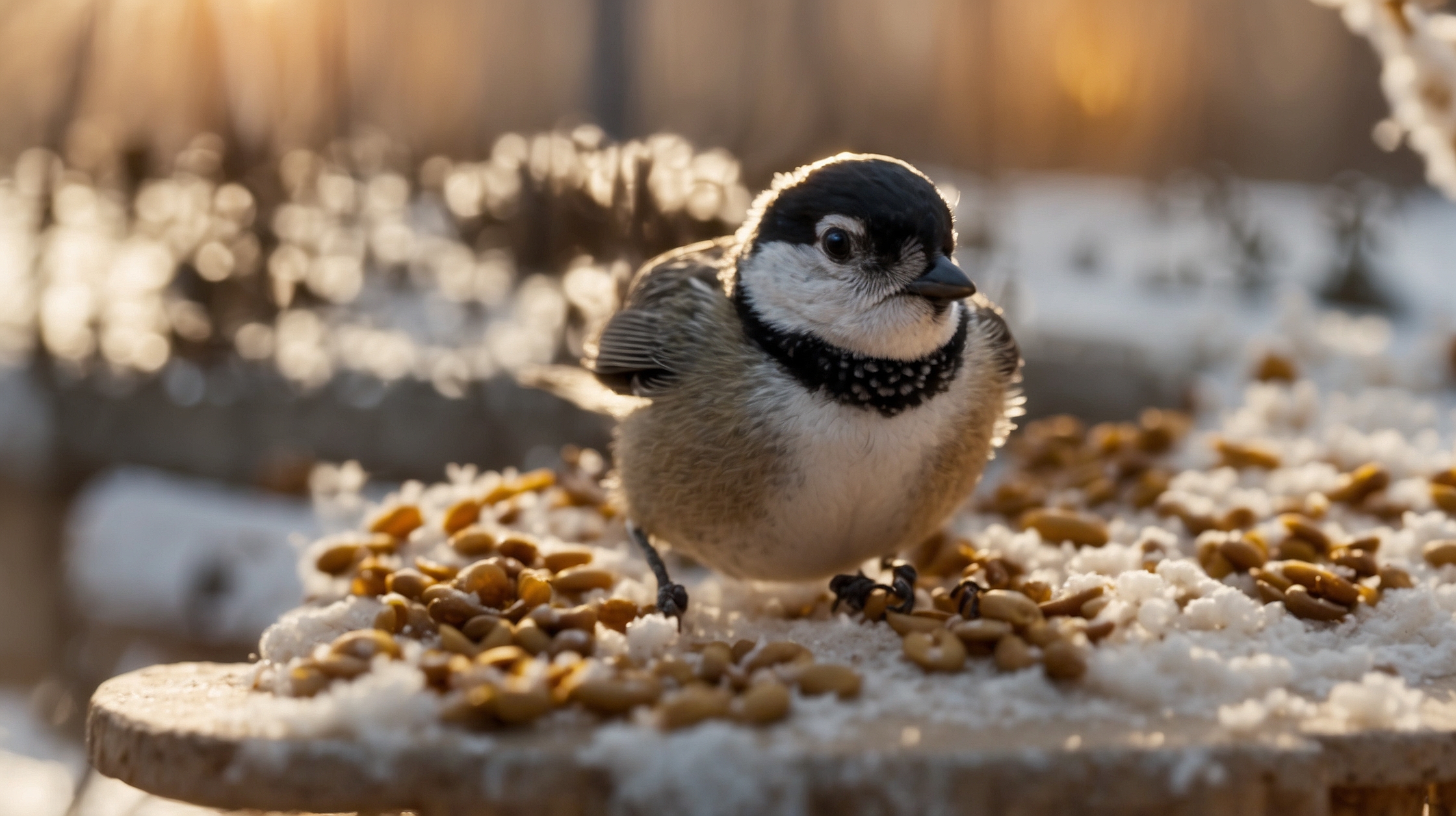
As winter presses on and the days remain cold and short, backyard bird feeders become a vital haven for feathered friends braving the chill. February may still feel like the frosty midpoint of winter, but for many birdwatchers, it’s a prime month for attracting hungry songbirds. With natural food sources dwindling, you have a golden opportunity to make your backyard the most popular dining spot on the block—without breaking the bank.
One simple and surprisingly effective way to draw birds during February mornings is by offering a **cheap, high-energy treat** that birds absolutely love: **peanut butter**. Yes, that humble jar found in most kitchen cupboards can be a magnet for species like chickadees, nuthatches, woodpeckers, and more. But how you offer peanut butter matters—and placement, consistency, and timing can all impact your success. Here’s how to use this accessible treat wisely to create memorable bird-watching mornings this February.
Quick guide to February bird feeding with peanut butter
| Best time to feed | Early morning (between 6:30 AM – 9:00 AM) |
| Best treat to use | Peanut butter (unsalted, no xylitol or additives) |
| Ideal feeder placement | Near shrubs or tree cover, but visible from indoors |
| Species attracted | Chickadees, woodpeckers, titmice, nuthatches, wrens |
| Other food to pair with | Black oil sunflower seeds, suet, and cracked corn |
| Estimated cost | Less than $3 per week |
The power of peanut butter in winter bird feeding
Peanut butter is rich in fat and protein—both essential for birds trying to maintain body heat during frigid nights. Unlike summer, when insects and berries provide food in abundance, February offers little foraging opportunity. Birds expend tremendous energy just staying warm, especially overnight. By offering high-calorie peanut butter early each morning, you’re giving birds a critical energy boost precisely when they need it most.
“Birds metabolize fat rapidly during the winter, and peanut butter offers dense nutrition in a small portion,” explains ornithology educator Jane Miles. “It’s especially helpful for cavity-nesting birds who roost together to share warmth overnight.”
Peanut butter is an ideal supplemental food during winter. It’s budget-friendly, versatile, and incredibly efficient at attracting birds to feeders.
—Thomas Bray, Wildlife Biologist
Where and how to place peanut butter for peak results
Strategic placement is everything. Birds need cover from wind and predators, so position feeders near thickets, shrubs, or evergreen trees. Mount peanut butter on a tree trunk or use a hanging suet feeder with a small scoop of peanut butter inside. You can also smear small amounts directly into the bark of trees—a natural presentation birds find enticing.
Be sure to place feeders somewhere visible from your window. Not only does this allow for enjoyable viewing, but it makes it easier to monitor feeder activity and refill as needed. Place peanut butter in shaded or semi-covered areas to prevent direct sun exposure, which may cause the spread to melt and make messes.
Best type of peanut butter for feeding birds
Not all peanut butter is suitable for birds. You’ll need to avoid brands or jars that contain **xylitol**, an artificial sweetener that’s *toxic* to birds and many small mammals. Stick to **plain, unsalted, unsweetened peanut butter**—natural varieties with limited ingredients are ideal. Organic options are even better if you’re concerned about pesticides and preservatives.
You can also make your own bird-safe peanut butter blend by mixing it with rolled oats or cornmeal. This not only stretches out the supply, making it more cost-effective, but also improves texture and reduces the stickiness that some birds, especially smaller species, may struggle with.
Why February mornings are essential for bird visits
Birds are most active **early in the day** during winter months, particularly in cold climates. This is because their energy reserves are lowest after a long, cold night. A reliable, high-calorie food source in the morning can mean the difference between surviving or succumbing to the cold. By placing peanut butter in feeders each morning around sunrise, you’ll train birds to visit your yard routinely—turning your feeder into a must-stop breakfast spot.
Birds are creatures of habit. After just a few days of consistent feeding, they’ll begin to associate your yard with reliable nutrition. In some cases, birds will even begin waiting in nearby branches shortly before sunrise if they know breakfast is coming.
What birds you can expect in different regions
While peanut butter attracts a wide range of birds, the specific species will vary depending on your location. Here are a few notable birds that are drawn to peanut butter feeders in February:
- Northern US and Midwest: Black-capped chickadees, red-breasted nuthatches, downy woodpeckers
- Southeastern US: Carolina wrens, tufted titmice, red-bellied woodpeckers
- Western states: Mountain chickadees, Steller’s jays, white-breasted nuthatches
Even within urban areas, you may be surprised how many birds find your feeder with just a dab of peanut butter and an open invitation.
Reasons peanut butter feeders outperform traditional setups
While seed feeders are a staple for any backyard bird lover, peanut butter fulfills a different nutritional niche that seeds alone can’t cover during winter. Birds who love insects or suet tend to be more drawn to peanut butter than standard fare. It also doesn’t require expensive equipment. A pine cone rolled in peanut butter and oats or a sliced log with holes filled with peanut butter offers a simple DIY feeder alternative.
Peanut butter attracts insectivores that don’t always come to seed feeders. It adds diversity to your backyard bird population.
—Darla Huang, Bird Conservation Specialist
How to clean and maintain peanut butter feeders
Cleanliness is just as crucial in winter as it is in warmer months. Buildup from frost, bird droppings, or spoiled food can pose health risks to your visiting birds. Use warm water and mild soap to clean feeders weekly, and scrape off any old or hardened peanut butter. When placing directly on bark, remove uneaten remnants weekly to avoid mold and discourage pests.
Encouraging birds to return daily
Consistency is key. Try placing peanut butter out at the same time each morning, preferably shortly after sunrise. Over time, birds will begin to build a feeding habit and prefer your yard over other unpredictable sources. Providing fresh water through a heated bird bath can enhance your backyard setup and draw even more birds in.
| Winners | Why |
|---|---|
| Local songbird populations | Gain reliable, high-energy food during coldest months |
| Homeowners and bird enthusiasts | Enjoy increased bird activity and species diversity at low cost |
Frequently asked questions
Is peanut butter safe for birds in cold weather?
Yes, as long as it’s plain, unsalted, and free from artificial sweeteners like xylitol. It’s calorically dense and ideal for winter feeding.
Can peanut butter make birds sick?
Only if it contains ingredients harmful to them—choose natural, ingredient-limited varieties to avoid problems.
How much peanut butter should I put out each day?
Start with one or two tablespoons and scale up based on bird traffic. Avoid placing too much to reduce waste and spoilage.
Do all birds eat peanut butter?
No. While many species enjoy peanut butter, finches and some seed-loving birds may not find it as appealing as sunflower seeds or millet.
Can I mix peanut butter with other bird foods?
Absolutely. Mixing with oats, seeds, or cracked corn can create a more appealing and varied diet.
Where should I hang or place my peanut butter feeder?
Hang it near natural cover like shrubs or trees, about 5-10 feet off the ground and visible from a window for enjoyment.
How often should I clean the feeder?
Weekly cleaning with warm water and mild soap is recommended, especially in wet or freezing conditions.
Can peanut butter melt in the sun?
Yes, especially on mild winter days. Place it in shaded spots or mix it with other dry ingredients to keep it firm.


