
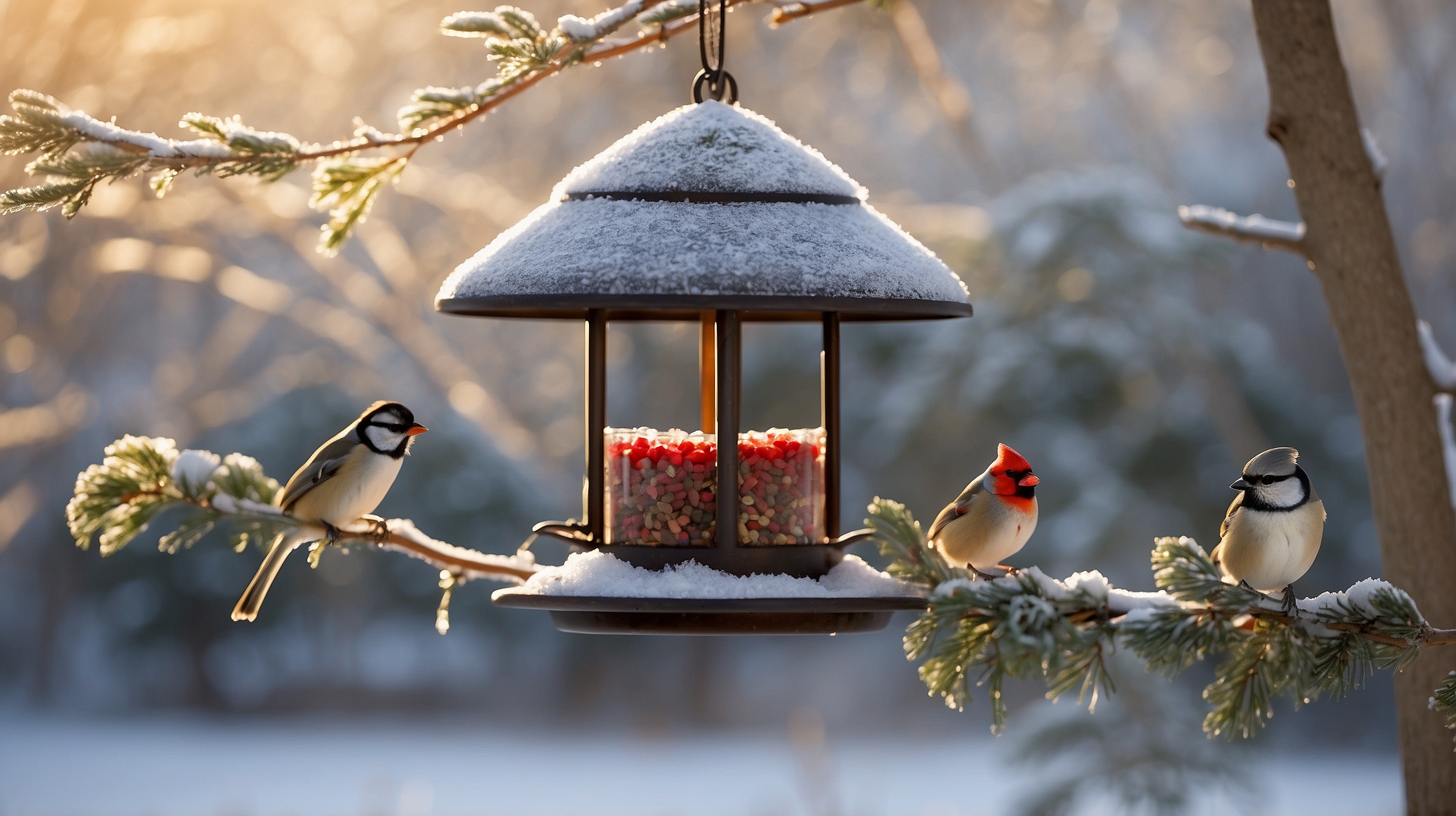
Across many parts of the country, as winter holds on during February, an unexpected tradition gains momentum in backyards: hanging up **bird feeders** to support local and migrating birds. This small and inexpensive act not only brings life and color to otherwise cold mornings but also helps birds survive a challenging time of year. February is, in fact, one of the most important months for feeding wild birds—and it’s becoming a popular habit among nature lovers, families, and even city dwellers looking to create a pocket of wildlife just outside their windows.
The simplicity of setting up a bird feeder belies its impact. By providing vital nutrients during a harsh time of year, backyard feeders help sustain bird populations while also offering humans an engaging, calming way to start their day. Imagine sipping your coffee while goldfinches, robins, cardinals, and chickadees flit in and out of view—each one a flash of color against white snow. This article explores why February is critical for bird feeding, what types of feeders and food work best, and how to maintain them so that birds keep coming back day after day.
Overview of February Bird Feeding
| Topic | Details |
|---|---|
| Best Month | February (coldest month with scarce natural food) |
| Typical Cost | As low as $5 for basic feeder and feed |
| Ideal Feeders | Tube feeders, platform feeders, suet cages |
| Popular Bird Species | Northern cardinals, finches, chickadees, sparrows |
| Main Benefits | Supports bird survival, reduces stress, educational for kids |
| Best Bird Feeds | Black-oil sunflower seeds, suet, peanuts in shell |
Why February is critical for bird feeding
February represents a “survival bottleneck” for many non-migratory bird species. During this time, natural food sources like insects, berries, seeds, and nectar are at their lowest levels. Snow cover and ice make foraging more difficult for birds that remain active through winter.
Feeding birds in February therefore does more than simply attract them to your yard—it can become a critical support mechanism. According to bird conservation groups, even a **modest backyard feeder** can significantly improve survival rates among small birds, especially during late winter storms.
By late winter, birds have used up fat reserves built earlier in the season. A single feeder can help a bird survive a cold snap that would otherwise be fatal.
— Dr. Emily Harrison, Ornithologist
Choosing the right feeder for your space
One of the beauties of bird feeding is that it scales easily with your budget and available space. For beginners, a **simple tube feeder** or **mesh ball feeder** filled with sunflower seeds is more than enough to start attracting small birds.
Larger backyard spaces might benefit from **platform feeders** or **multi-level stations** that allow several birds to feed at once. If you’re trying to attract woodpeckers or nuthatches, **suet cakes** placed in wire cages prove especially effective.
Birds tend to recognize consistent feeding patterns. Keeping feeders regularly filled—especially in early morning hours—helps create **habitual return visits**. It’s not necessary to buy high-end setups; even recycled plastic bottles can be adapted to serve as feeders.
What to feed birds during February
Not all bird feed is created equal. In the coldest months, high-fat and high-protein foods are best because they support energy needs. The most universally accepted choice is **black-oil sunflower seeds** which work in most feeders and attract a broad variety of birds.
Other excellent options include:
- Suet cakes: Fat-rich blocks often containing seeds or dried fruits.
- Nyjer seed: Preferred by finches and small clinging birds.
- Peanuts in shell: Loved by blue jays, woodpeckers, and titmice.
- Cracked corn: Ideal for doves and ground-feeding birds.
Avoid using bread or processed grains, which are filling but offer little nutrition and can even be harmful in large quantities.
Best times to watch and refill your feeders
Birds are often most active shortly after dawn and again in the late afternoon, when they prepare to rest for the night. Refilling feeders in the early morning ensures food is available when they need it most.
Depending on weather severity and feeder placement, you may need to check and refill every 1–2 days during February. Seeds can clump from moisture and suet may harden due to freezing temperatures. Quick checks keep the system running efficiently and your visitors well-fed.
Consistency is more critical than volume. A handful a day beats a full feeder once a week.
— Mark Ellington, Local Audubon Chapter Leader
Teaching kids about nature through bird feeding
Beyond ecological benefits, February bird feeding delivers an educational experience right at your windowsill. Many families are using feeders as part of their home-schooling or weekend enrichment programs.
Children can help document the various species that visit, track which foods go fastest, or even build DIY feeders from recycled materials. Apps now allow for bird recognition via photos, enabling a mini-science lab from the living room. This nurtures a deeper appreciation for nature and builds habits of **eco-responsibility**.
Where to position your feeder for best results
Feeder placement affects visitation rates more than you might expect. Most birds prefer feeders placed near low-cover bushes or tree branches, which offer **quick escapes** from predators. Avoid setting feeders near reflective windows where birds might accidentally crash.
Place feeders at least 5–10 feet from tree trunks to frustrate squirrels, and consider squirrel baffles or domes for further protection. Southeastern-facing angles gain morning sun and help keep feed warm and visible from early light onward.
Cleaning and maintaining your feeder
Winter feeding isn’t set-and-forget. Dirty feeders can become hotspots for mold, bacteria, and disease transmission like salmonella or avian pox. Every 1–2 weeks, dismantle the feeder, soak components in warm water with mild bleach (9 parts water to 1 part bleach), then rinse, dry, and refill.
Use gloves during cleaning and discard any moldy or wet feed. If many birds are using your feeder, consider rotating two feeders to maintain **clean feeding zones** without downtime.
Winners and losers: which birds benefit most
| Winners | Why | Losers | Why |
|---|---|---|---|
| Chickadees | Quick learners, can store food and remember locations | Predatory birds | Rely more on hunting, less aided by feeders |
| Cardinals | Strong beaks handle sunflower seeds easily | Invasive species | May crowd out natives if feeders are overfilled |
Frequently Asked Questions
What’s the best birdseed to use in February?
The best all-around choice is **black-oil sunflower seed**, which is high-energy, oil-rich, and appeals to the widest variety of birds.
Can I feed birds bread scraps during winter?
It’s not recommended. Bread lacks nutrition for birds and can cause digestive issues or fill them up without offering needed energy.
How do I keep squirrels away from my feeders?
Use baffles, squirrel-proof feeders, and place them at least 10 feet from jumping points like tree limbs or fences.
Should I feed birds if it’s snowing?
Yes—especially during snow. Birds struggle to find food during snow cover, so feeders become more vital, not less.
How often should I clean bird feeders?
At least every two weeks, more often if you notice moldy seed, droppings buildup, or increased bird activity.
When do birds stop needing feeders in spring?
Birds typically begin finding more natural food by late March or early April, but many still visit feeders through migration. Gradually tapering supply is ideal.
Are bird feeders safe for pets and children?
Yes, with supervision. Tubular and platform feeders pose minimal risk, though children should avoid touching droppings or spoiled feed directly.
Is bird feeding bad for the environment?
When practiced responsibly with clean feeders and natural feeds, backyard bird feeding is a beneficial and sustainable habit.


