
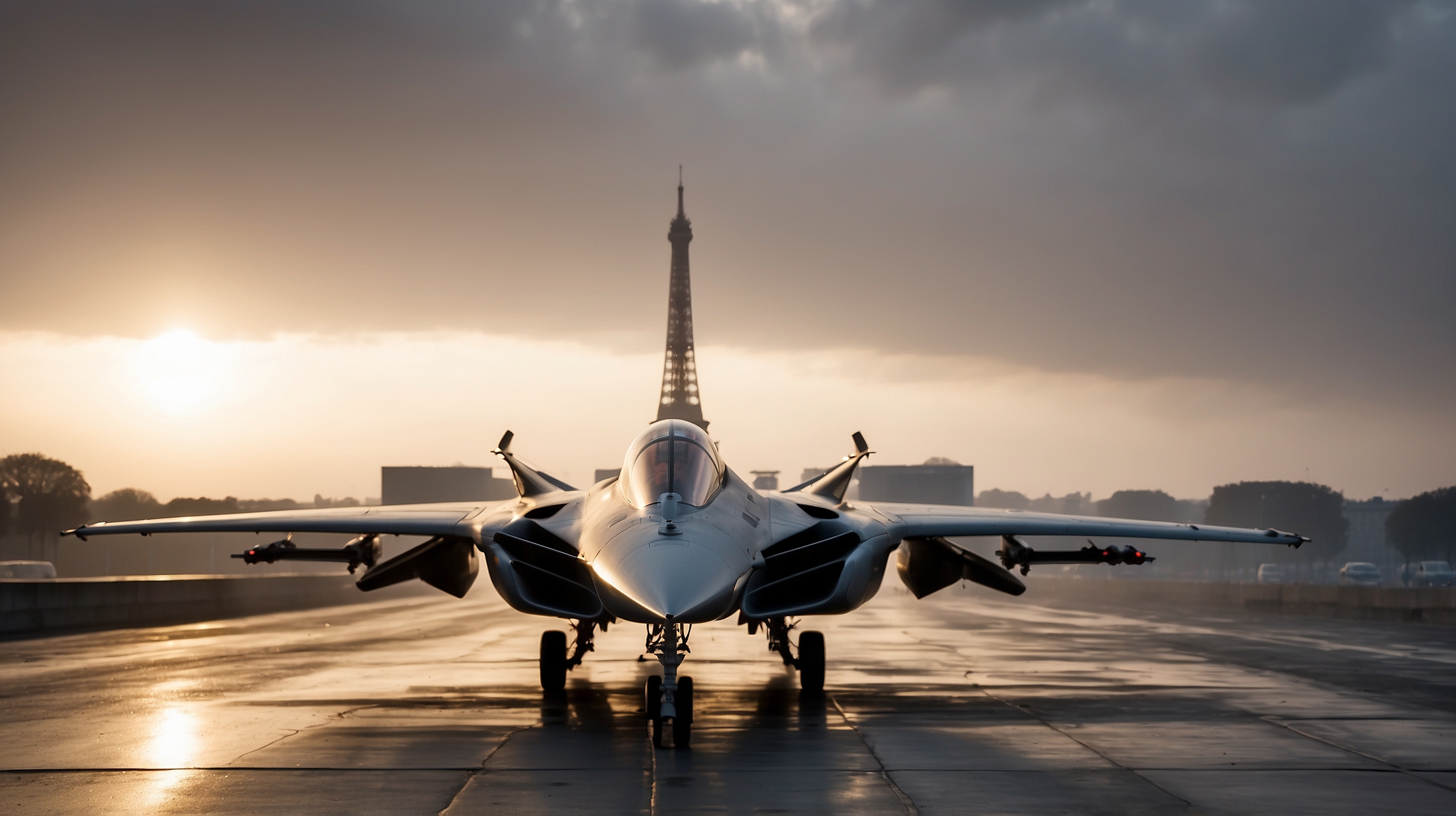
In a dramatic twist that has reverberated through both the defense and diplomatic sectors, France and Dassault Aviation have lost a massive €3.2 billion contract for their Rafale fighter jets following a last-minute reversal by the purchasing country. The sudden U-turn threatens to redefine defense procurement strategies in one of the most competitive sectors of global military trade, while also delivering a heavy economic blow to the French aerospace industry.
The deal, which was widely seen as close to finalized, had been under negotiation for several months, with Dassault’s Rafale aircraft competing against other defense contractors’ bids. Analysts widely believed that the Rafale had secured a strategic and financial win—not only for Dassault but also for French President Emmanuel Macron’s push for defense exports. However, new political alignments and internal procurement reviews in the buyer country abruptly shifted the trajectory, favoring a competitor in what appears to be a politically charged decision as much as an economic one.
Overview of the Rafale Deal Collapse
| Contract Value | €3.2 billion |
| Seller | Dassault Aviation (France) |
| Expected Winner | Rafale fighter jets |
| Purchasing Country | Undisclosed (due to diplomatic sensitivity) |
| Contract Reversal | Last-minute, after negotiations concluded |
| New Winner | Competitor Defense Firm (unnamed) |
| Primary Reason for Reversal | Geopolitical and defense realignments |
Winners and Losers in the Rafale Contract Reversal
| Winners | Losers |
|---|---|
| Alternate defense manufacturer (unnamed) | Dassault Aviation |
| Competing air force supplier country | French defense industry |
| Purchasing country (cost/strategy optimization) | French geopolitical influence |
Why the Rafale Deal Originally Stood Out
The Rafale fighter jet is a twin-engine, multi-role aircraft renowned for its precision strike capability, agility, and adaptability across mission profiles—from air superiority and ground attack to intelligence surveillance. France has successfully sold these jets to countries like India, Egypt, and Qatar, carving out a favorable global reputation for the aircraft. The recent prospective buyer had conducted comprehensive trial assessments and was reportedly impressed by the aircraft’s technological edge and operational versatility.
Additionally, political backing from the French government added weight to the deal. French President Emmanuel Macron had positioned himself as the deal’s key advocate in international diplomacy, integrating the transaction within a broader framework of bilateral cooperation and defense pacts. The hope was not just to sell jets, but to export a symbol of French engineering excellence and deepen strategic ties.
What changed behind the scenes
The reversal of the deal is attributed to a combination of evolving defense strategies, changing political alliances, and a late-stage intervention by rival defense contractors. Sources indicate that officials in the purchasing nation reassessed the geopolitical risks and perceived benefits associated with the original purchase and opted instead for a defense system that aligned better with their current military objectives and partnerships.
Defense analysts speculate that a mixture of cost undercutting, offset benefits, and localized production options might have swayed the purchasing decision in favor of the alternative bidder. Significantly, the new deal reportedly includes technology sharing and domestic defense industry involvement, which were not part of the finalized Rafale package.
Impact on France’s defense exports strategy
The lost deal represents more than just a missed income opportunity; it signals a setback in France’s broader ambitions to consolidate its role as a leading arms exporter. In 2022, France became the world’s third-largest arms exporter, and a contract of this magnitude would have bolstered its standing further. With Germany and the United States aggressively pursuing similar deals, France now faces the dual challenge of repairing its image and revisiting client concerns about long-term reliability and support.
The unexpected termination of the deal is a reminder that even well-negotiated defense contracts remain vulnerable to shifting political winds.
— Marc Keller, European Defense Analyst
This loss could prompt a strategic rethink within the French Ministry of Defence, compelling both government and private sector players to become more agile and competitive in a market increasingly influenced by regional security priorities and domestic industrial benefits.
France’s path forward in global arms trade
In the aftermath of the reversal, France will likely ramp up efforts to reassure future buyers of the dependability of its defense products and its commitment to long-term collaboration. The country might also revisit the structure of its defense deals, looking at increasing technology transfer provisions or joint-venture assembly opportunities to remain competitive in future tenders.
Moreover, this event could accelerate France’s push within the European Union for a more coordinated pan-European defense export policy, especially aimed at counterbalancing the influence of major U.S. suppliers in emerging markets in Asia, Africa, and Latin America.
This disappointment cannot deter us; it must inform our strategy. Future deals must not only be technically superior but politically resilient.
— Jacques Renard, Policy Advisor at French Ministry of Defence
Industry reactions and market implications
Aviation industry watchers expressed concern over the incident’s potential ripple effects on Dassault’s production schedule and financial outlook. Though the firm has a buffer of pending orders—including the latest batch for India’s air force—the €3.2 billion contract was expected to account for a significant portion of its international revenue projections for the next three years.
Investors responded with caution, as Dassault Aviation’s share prices dipped following the announcement. The setback may force the corporation to reevaluate its sales and after-sales service initiatives. Simultaneously, it opens the door for competitors to capitalize on the narrative and win over hesitating buyers in neighboring regions.
What global buyers can learn from the reversal
The last-minute termination of the Rafale deal underscores the increasingly dynamic nature of international defense procurement. Governments looking to bolster military capabilities must weigh short-term costs against long-term strategic alliances. This also places pressure on sellers to offer not just state-of-the-art products but also packages that include industrial collaboration, technology sovereignty, and political backing.
Future trends in aerospace procurement appear to be moving toward “total package agreements,” where factors such as financing, domestic job creation, and software sourcing have as much significance as flight performance and weaponry capability.
Short FAQs about the Rafale Contract Reversal
Why was the Rafale deal canceled at the last minute?
The purchasing country reassessed its defense priorities and pivoted toward a competitor offering better strategic or economic terms.
How much was the value of the canceled Rafale contract?
The total estimated value of the deal was €3.2 billion.
Which company benefited from this reversal?
While the winning firm remains officially unnamed, it is a competing defense contractor that aligned better with the buyer’s strategic goals.
Does this mark the decline of the Rafale globally?
No. The Rafale still commands a significant presence, but the setback will make future deals more challenging for Dassault.
Will France retaliate diplomatically against the reversal?
There is no public confirmation of diplomatic retaliation, but France is expected to pursue deeper defense policy restructuring.
Is Dassault seeking another buyer for these jets?
While not yet confirmed, experts believe Dassault will attempt to reallocate production to other existing deals or pursue new clients aggressively.
What are the implications for Macron’s defense policy?
This development weakens Macron’s position as a global arms deal facilitator and may lead to policy adjustments or more government support for future bids.
How is the global defense market responding?
It highlights the instability of procurement decisions in geopolitically sensitive areas, prompting a shift toward package-based sales models across the industry.


