
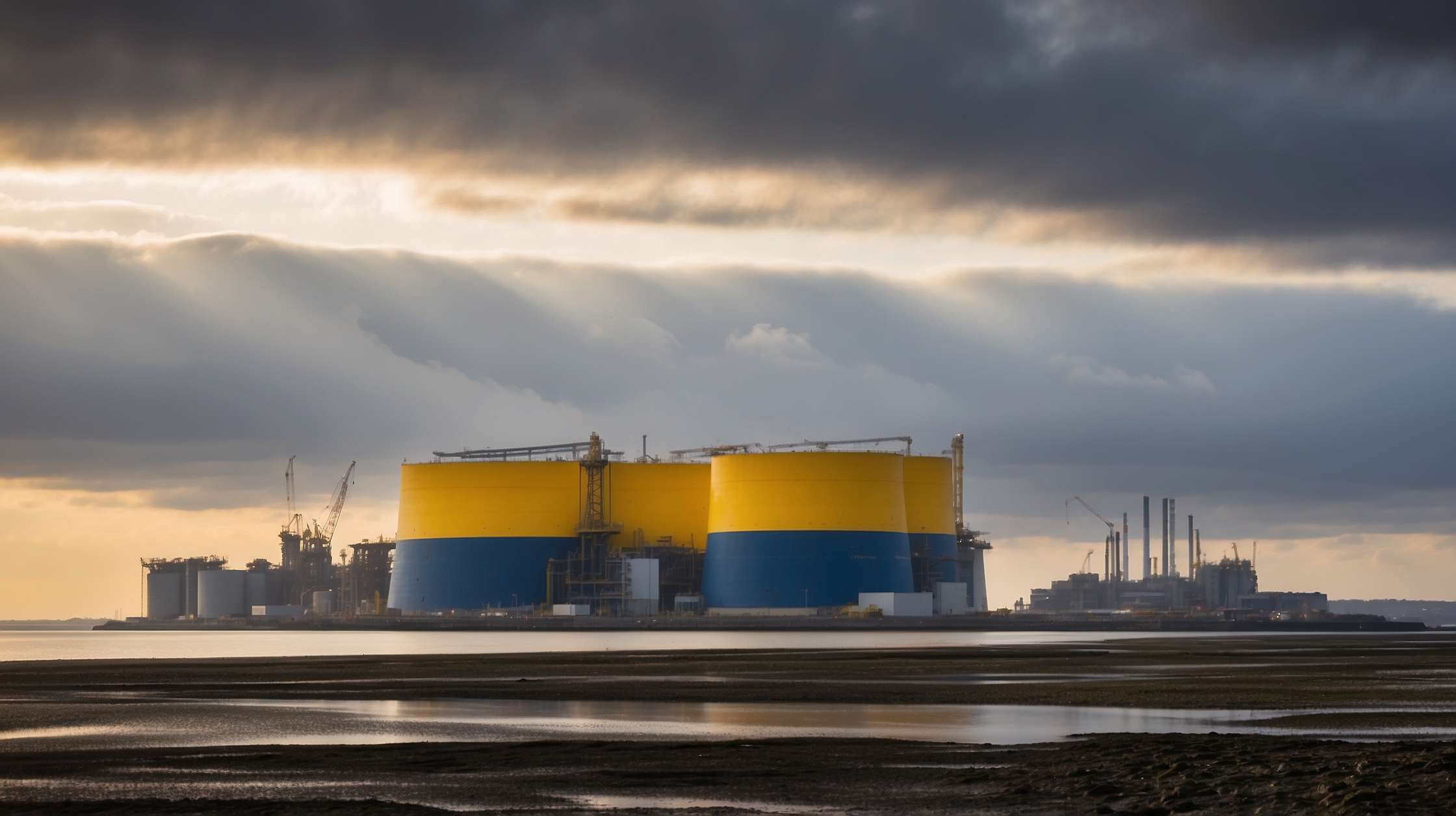
In a major logistical and engineering milestone, **France has shipped a 500-tonne nuclear reactor pressure vessel** destined for the UK’s new Hinkley Point C nuclear power station. Weighing as much as a fully loaded commercial airliner, this enormous component marks another critical step forward in the long-anticipated project, which is set to be the first new nuclear power station built in the UK in over two decades.
The massive reactor part, manufactured by French energy and engineering group **Framatome**, began its journey at the company’s Chalon-Saint-Marcel facility in eastern France. It is one of the largest individual elements of the Hinkley Point C project and is central to the **European Pressurised Reactor (EPR)** nuclear design being deployed. The successful transportation of the component demonstrates international cooperation at scale and highlights the complexity of the engineering effort underpinning the nuclear revival in the UK.
Supported by both the French and British governments, the Hinkley Point C project is being manufactured and led under the oversight of EDF Energy. Once completed, the plant aims to provide reliable, low-carbon electricity to **more than six million homes** across Britain, making it a critical factor in the UK meeting its net-zero emission targets.
France ships nuclear heart of Hinkley Point C
| Key Component | Reactor Pressure Vessel (RPV) |
|---|---|
| Weight | 500 tonnes |
| Origin | Chalon-Saint-Marcel, France |
| Destination | Hinkley Point C, Somerset, UK |
| Manufactured By | Framatome |
| Main Contractor | EDF Energy |
| Expected Completion | 2027 (Unit 1), 2029 (Unit 2) |
What makes this reactor component so significant
At the heart of any nuclear power plant is the **reactor pressure vessel** — the thick steel container that houses the nuclear fuel assemblies and sustains the high temperatures and pressures created during nuclear fission. This makes it one of the most robust and critically engineered parts of the entire system.
As part of the **EPR design**, the reactor pressure vessel offers enhanced safety features, improved efficiency, and longer operational life compared to older reactor models. The EPRs are designed to have a service life extending beyond 60 years and can generate up to **1.6 GW of electricity per reactor**, placing them among the world’s most powerful civilian nuclear reactors. The shipment of this key component underscores the tremendous progress being made as Hinkley Point C moves towards becoming fully operational.
This shipment reflects years of engineering planning and international logistics. Hinkley Point C is not just a UK project—it’s a European achievement.
— Pierre Gauchet, Senior Project Engineer, Framatome
Massive logistics challenge across land and sea
Transporting a 500-tonne nuclear reactor component isn’t just a milestone; it’s a feat of logistics. The journey began by heavy-duty rail from the Framatome facility and was then transferred to a specialized ship for the sea voyage across the English Channel. Once on British soil, the component is being carefully escorted via custom-built roads that can handle the pressure and scale of the load.
According to project leaders, meticulous planning was required to coordinate every step, including permits, environmental considerations, and safety logistics across international borders.
This is one of the heaviest and most complex logistical operations ever undertaken between France and the UK for civil infrastructure.
— Claire Boissel, EDF Logistics Lead
Why Hinkley Point C matters for the UK’s energy future
The Hinkley Point C project is designed to meet a **critical gap in the UK’s energy supply**, especially as older nuclear plants are decommissioned and fossil fuel usage declines. With net-zero targets looming, **nuclear energy is regaining prominence** for being a stable, low-carbon energy source. Once both units are operational, Hinkley Point C will supply about **7% of the UK’s electricity demand**.
Moreover, the project is expected to pave the way for **next-generation nuclear developments**, with plans already underway for the Sizewell C site, which is anticipated to mirror the Hinkley blueprint. These developments are aimed not just at energy output, but also at **economic regeneration** through job creation and skills training.
Economic and industrial winners and losers
| Winners | Losers |
|---|---|
| UK Manufacturing & Engineering Sectors | Anti-nuclear Advocacy Groups |
| Construction & Heavy Logistics Companies | Small-scale Renewables Competing for Funding |
| Skilled Labor Workforce & Apprenticeships | Communities Opposed to Nuclear Energy |
Challenges ahead before reactor commissioning
While the arrival of the pressure vessel is a major advance, there are still considerable steps before Hinkley Point C becomes fully operational. The installation phase must meet **stringent safety and regulatory requirements**, with involvement from UK’s Office for Nuclear Regulation. Detailed stress testing, welding, and integration will all follow during **2024–2025** as part of the Unit 1 timeline.
Once the vessel is installed, extensive systems testing will be conducted over several years before nuclear fuel is even introduced. Delays or flaws during this phase could risk significant schedule slippage.
We’re entering the most delicate phase of the build—precision and compliance must be absolute. An error at this stage could set us back by years.
— Dr. Martha Lin, Nuclear QA Specialist
Framatome’s unique role in Europe’s nuclear industry
Framatome is a cornerstone of the European nuclear infrastructure. With facilities across France and Germany, the manufacturer has led the reinvigoration of Europe’s nuclear capabilities by producing EPR technologies adopted in Finland, China, and now the UK. Their production of the **Hinkley C pressure vessel** is just one example of the company’s influence.
The firm’s precision forging and quality control processes set industry benchmarks, with this pressure vessel undergoing multiple rounds of ultrasonic and radiographic testing before shipment. The collaboration with EDF underscores **Framatome’s strategic alignment with increasingly urgent European energy independence goals**.
How the reactor pressure vessel will be installed
Installation of the massive component is a multi-stage operation. First, the reactor building must be fully enclosed to create a sterile, controlled environment. Large gantry cranes inside the containment building will then lift the vessel vertically and guide it into a secure concrete containment vault. This operation is expected to take several weeks.
Once in place, the vessel will be connected to **the reactor coolant system**, loaded with internal components such as steam generators, and then sealed using lead-lined bolts to ensure radiation shielding and integrity. This mechanical and radiation shielding work will be verified by multiple safety inspections before certification is granted for later installation phases.
Next steps for Hinkley Point C and the UK’s nuclear ambitions
The next major milestone will be the delivery and installation of the steam generators and turbine components, followed by control systems calibration and integration. The UK is also planning a renewed **nuclear skills pipeline**, and expects to train more than 1,000 apprentices on-site by the project’s conclusion, helping to “grow domestic expertise for the future.”
With governments across Europe rethinking energy policy in the wake of recent geopolitical tensions, **nuclear energy is experiencing a quiet resurgence**. If Hinkley Point C proves successful, it will provide a critical case study for future initiatives, including small modular reactors (SMRs) and nuclear-powered hydrogen production facilities.
Frequently asked questions
What is the reactor pressure vessel used for in a nuclear plant?
The reactor pressure vessel (RPV) is the component that houses nuclear fuel and maintains high-pressure, high-temperature conditions necessary for nuclear fission, forming the heart of the reactor system.
Who manufactured the Hinkley Point C reactor vessel?
The 500-tonne reactor vessel was manufactured by Framatome at its facility in Chalon-Saint-Marcel, France.
When will Hinkley Point C be completed?
Completion is expected by 2027 for Unit 1 and 2029 for Unit 2, although delays are possible depending on remaining installation phases and testing.
How much electricity will Hinkley Point C generate?
Hinkley Point C will generate around 3.2 GW, supplying electricity to over six million homes—about 7% of the UK’s total demand.
Why is Hinkley Point C important for the UK?
It is key to the UK’s energy security and net-zero goals by replacing aging infrastructure with stable, low-carbon power generation.
Is the EPR reactor design safe?
The EPR has multiple redundant safety systems, passive cooling features, and a robust containment structure, designed to meet the highest international safety standards.
What other projects use the same reactor design?
The EPR design is also in use at Flamanville (France), Olkiluoto (Finland), and Taishan (China).
Will this project affect energy prices in the UK?
While the initial investment is significant, over time Hinkley Point C is expected to reduce dependence on volatile fossil fuel markets and stabilize energy costs.


