
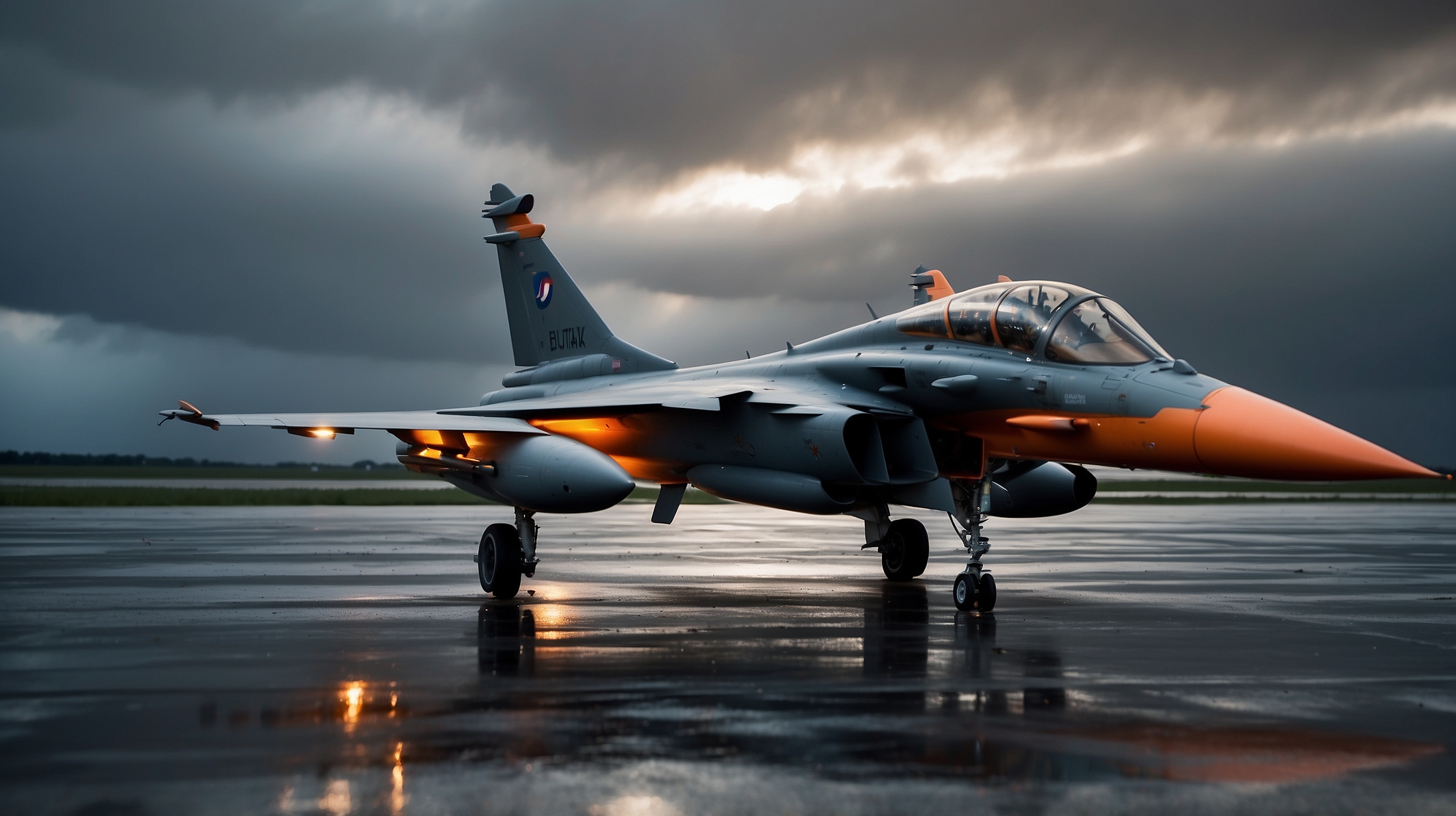
In a surprising twist that has reverberated throughout the global defense community, France’s flagship fighter jet, the **Rafale**, has lost a major contract worth €3.2 billion after a sudden about-face by the buyer. The setback not only undermines the global push by French defense manufacturer Dassault Aviation to expand its fighter jet market but also raises critical questions about geopolitical influence and procurement priorities in the modern defense landscape.
The anticipated deal, which appeared all but confirmed, was with Colombia—a country in active pursuit of modernizing its military aircraft fleet. Discussions had progressed well into advanced stages, and signs strongly indicated that the multi-role Rafale was poised to become a centerpiece of Colombia’s air force modernization. However, at the eleventh hour, the South American country surprisingly reversed its position, dealing a significant blow to France’s defense ambitions in the region.
While the French government and Dassault Aviation have refrained from publicly assigning blame, diplomatic insiders suggest a complex blend of external competition, political considerations, and strategic recalibration by Bogotá precipitated the dramatic reversal. The incident highlights the increasingly volatile and strategic nature of high-value defense contracts, where final decisions often transcend technical superiority or price point.
Deal at a glance: Overview of the Rafale-Jet Reversal
| Detail | Information |
|---|---|
| Deal Value | €3.2 Billion |
| Country Involved | France (Dassault Aviation) and Colombia |
| Aircraft Type | Rafale Fighter Jet |
| Status | Cancelled / Not Finalized |
| Reason | Strategic U-turn by Colombian government |
| Potential Replacements | Saab Gripen, Lockheed Martin F-16 |
Winners and losers in the scrapped Rafale deal
| Winners | Losers |
|---|---|
| Competing aircraft manufacturers (e.g., Saab, Lockheed Martin) | Dassault Aviation |
| Colombian budget planners (short-term expenditure reduction) | French government (strategic and diplomatic setback) |
| Potential alternate defense partners for Colombia | France’s Rafale export ambitions in Latin America |
What led to Colombia’s unexpected U-turn
Just weeks before the decision, officials from both Colombia and France had exchanged high-level visits and showcased an optimistic outlook over the deal. The Rafale had been extensively evaluated by Colombian military operatives for its operational flexibility, air superiority capabilities, and combat-readiness.
However, political insiders point to several key factors behind Colombia’s change in direction:
- Budgetary Constraints: The €3.2 billion deal drew criticism internally as it stood in stark contrast to Colombia’s financial needs in healthcare, education, and post-conflict reconstruction.
- Shift in Strategic Defense Philosophy: Emerging defense doctrines in Colombia now prioritize agile, lower-cost multipurpose fighters over premium platforms.
- Geopolitical Influence: There is speculation that pressure from the United States may have nudged Colombia to consider alternatives like the F-16, given the deep military cooperation between the two nations.
France’s Rafale: A jet praised for its prowess
The Rafale, developed by **Dassault Aviation**, has garnered recognition globally for its operational excellence and adaptability. Deployed in multiple war theaters, the multi-role aircraft is enabled with features suitable for air superiority, reconnaissance, ground support, and even nuclear deterrence.
The Rafale’s multi-mission capability and high-performance reputation make this loss particularly painful for Dassault.
— Jean-Luc Milot, Defense Analyst
Countries like India, Egypt, Greece, and most recently the UAE have signed deals to acquire Rafales, reinforcing the jet’s global appeal. Still, major defense wins in Latin America have so far remained elusive for Dassault.
The growing importance of Latin American defense markets
Latin America is becoming a strategic focal point for global arms suppliers. As regional nations seek to modernize aging fleets, fierce competition among defense giants has erupted. The region’s evolving geo-political alignments, increasing homeland and border security concerns, and desire for tech transfer make these defense contracts highly coveted.
Countries like Colombia represent fertile ground for defense manufacturers, but they are treading cautiously amidst economic pressure and shifting alliances.
— Maria Gonzalez, Latin American Security Policy Expert
With the cancellation of the Rafale contract, a clearer pathway emerges for other competitors to capture the market. Saab’s JAS 39 Gripen, with its cost-effective maintenance and proven performance, is reportedly gaining fresh attention in Colombia’s defense circles. Meanwhile, Lockheed Martin’s F-16, bolstered by U.S. logistical infrastructure and political support, remains a formidable contender.
Impact on French defense diplomacy
The loss of the Colombian deal is not merely a matter of missed revenue; it also dents France’s efforts to project its strategic and defense influence globally. Over the past decade, France has sought to edge into non-traditional markets through a combination of bilateral diplomatic engagement and defense technology exports. Colombia was seen as a cornerstone in that larger Latin American strategy.
This development might prompt French policymakers to reassess their approach and emphasize not only aircraft capabilities but also economic offset packages, training programs, and localized production incentives to remain competitive.
The road ahead for Colombia’s air force modernization
Colombia faces growing pressure to modernize its air capabilities amidst rising narco-trafficking operations and regional security uncertainties. The current fleet includes aging Israeli Kfir jets, many of which are nearing the end of their serviceable life. Analysts agree that one way or another, Colombia will have to finalize a significant aircraft procurement in the near term.
The question is no longer if Colombia will modernize, but which partner will provide the winning combination of performance, cost, and diplomacy.
— Eduardo Mejía, Colombian Military Analyst
Industry sources confirm that Colombian defense officials are still reviewing proposals from multiple manufacturers. Beyond technical specifications, vendors offering extended payment schedules, local assembly, and long-term training commitments stand a stronger chance.
Market implications for Dassault and its competitors
While the Rafale’s rejection in Colombia is a setback, Dassault Aviation remains bullish about its 2024–2025 order pipeline. The company is currently negotiating upgrades and sales with nations in Asia and Europe. Still, this cancelation reveals that traditional assumptions around platform superiority are no longer sufficient to close deals.
Competitors like Sweden’s Saab and America’s Lockheed Martin now have increased momentum for upcoming bids in Latin America and beyond. This underscores a broader shift in defense engagements—where **political alignment**, **economic synergies**, and **broader strategic cooperation** play as vital a role as the capabilities of the hardware itself.
Frequently Asked Questions (FAQs)
Why did Colombia cancel the Rafale jet deal?
Colombia reversed its decision due to a combination of budget limitations, shifting defense priorities, and potential geopolitical considerations involving ties with other defense partners.
What aircraft is Colombia likely to consider next?
Colombia is reportedly considering the Saab JAS 39 Gripen and Lockheed Martin F-16 for its air force modernization plans.
How significant was the deal for France and Dassault Aviation?
The €3.2 billion deal would have marked France’s first major military aircraft export to Latin America and provided Dassault a strong foothold in an emerging market.
What makes the Rafale a competitive fighter jet?
The Rafale boasts multi-role functionality, advanced avionics, and a strong track record across several international operations, making it one of the world’s top-performing fighter jets.
Does this loss hurt France’s defense export strategy?
Yes, the failed deal is a diplomatic hurdle that will push France to re-evaluate how it positions its defense technology in emerging global markets.
Is the decision final, or can the deal be revived?
As of now, the deal appears definitively canceled, but defense discussions can be unpredictable. A shift in Colombia’s political or budgetary landscape could reopen negotiations.
Which other countries have purchased Rafale jets?
India, Egypt, Greece, Croatia, and the UAE are among the nations that have ordered or are currently operating Rafale jets.
How will this affect future Latin American defense deals?
The cancellation sets a precedent that procurement decisions in Latin America hinge not only on equipment value but also regional alliances and economic viability.


