
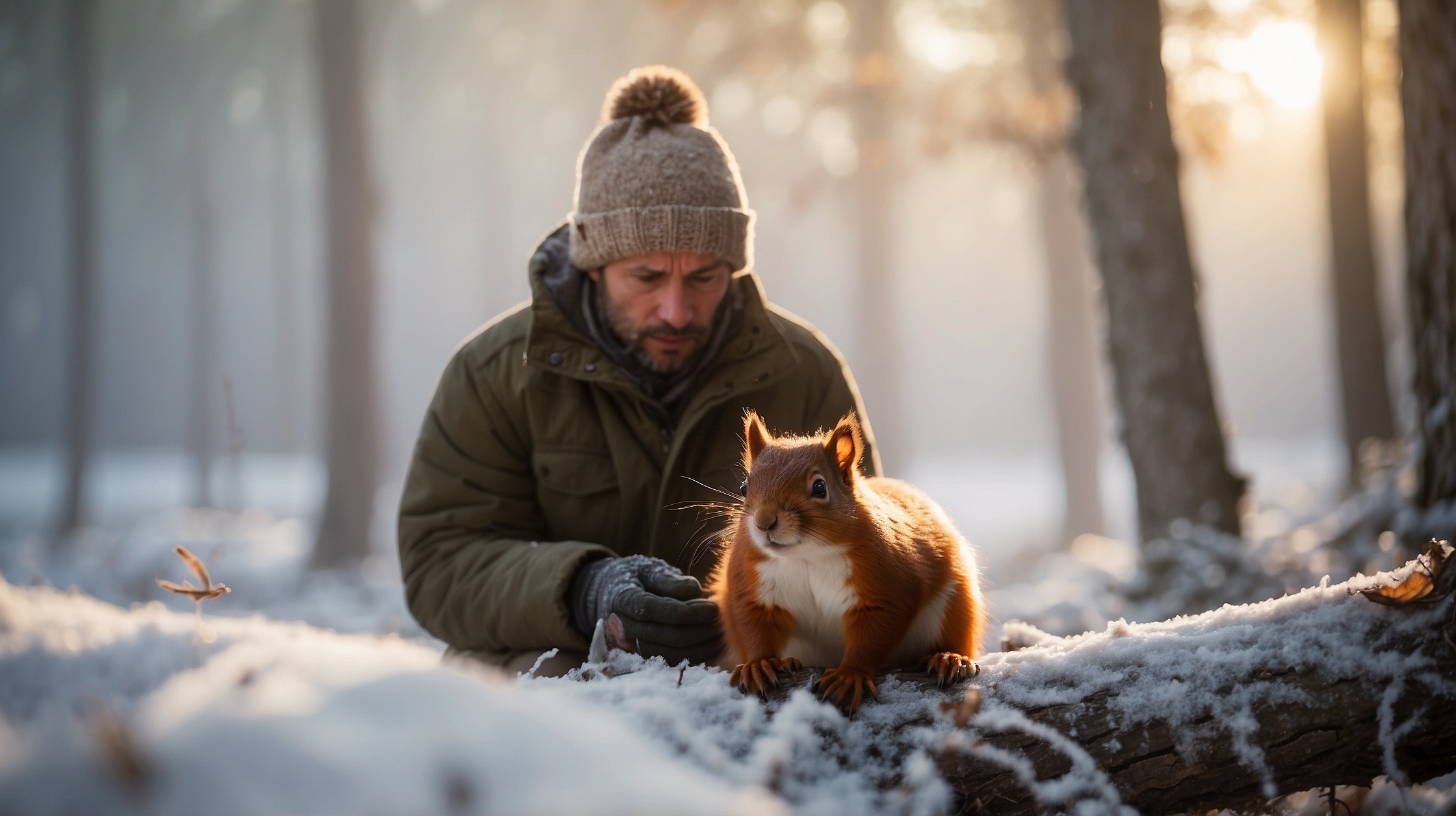
As temperatures plummet and winter grips the northern hemisphere, it’s not just humans who feel the icy sting of the cold. Wildlife species, including squirrels, face a perilous season where survival becomes a daily struggle. Among the more unexpected hazards these nimble mammals face are so-called “frost traps”—areas and materials that capture and amplify cold, posing a serious threat to squirrels’ health and survival. It’s a hidden danger most people rarely consider, but experts are now sounding the alarm.
Frost traps can result in severe hypothermia, frostbite, or even death for squirrels, particularly young or weakened individuals ill-prepared for sudden shifts in weather. As climate patterns become increasingly erratic, warm spells are often followed by sudden deep freezes, catching squirrels off-guard after early emergence from nests or dens. An expert in small mammal ecology explains that without natural insulation or access to food caches, these animals can quickly succumb.
Winter danger to squirrels: an overview
| Threat Type | Sudden frosts and cold surfaces trapping heat away from squirrels |
| Primary Victims | Young squirrels, late nesters, urban populations |
| Causes | Rapid temperature drops, loss of tree cover, artificial materials |
| Solutions | Warmer nesting spaces, food provisioning, habitat interventions |
| Expert Concern | Squirrels facing higher winter mortality than normal |
What are frost traps, and why are squirrels at risk?
Frost traps are cold pockets created on the ground or other surfaces where temperatures drop significantly lower than surrounding areas, often due to environmental composition, shade, or material. For squirrels, this may come in the form of frozen metal fence posts, shaded rooftops, or exposed urban infrastructure. Contact with these traps—especially overnight—can drastically reduce a squirrel’s core body temperature. Coupled with inadequate fat stores or delayed hibernation behavior, the outcome is often fatal.
Frost traps are especially prevalent in urban and suburban environments where natural ground insulation from fallen leaves or shrubbery is replaced by gravel, concrete, or moisture-retaining synthetic material. In such spaces, squirrels looking for food or mobility routes may inadvertently encounter hypothermic risk zones.
“We’re seeing more young squirrels perish because they wander into cold zones that retain freezing temperatures long after the air warms. It destabilizes their circadian behavior patterns.”
— Dr. Eliza Compton, Wildlife Mammalogist
What changed this year to magnify the danger
This year, a combination of climate instability and habitat disruption has significantly elevated the risks. Unseasonably mild autumn weather delayed squirrels’ usual winter preparedness behavior, such as hoarding food or reinforcing nests. By the time sudden freezes hit, many were caught off-guard.
Additionally, deforestation for suburban expansion has left fewer safe nesting areas. Many squirrels now rely on man-made environments, such as attics, rooftops, or utility poles, all of which can become frost traps under the right conditions. The lack of leaf cover also means fewer insulated surfaces where animals can protect themselves from seasonal extremes.
“Our data suggests a higher than average squirrel mortality this winter. These aren’t just ecologic statistics—they point to real, suffering animals in need of assistance.”
— Janet Wolters, Director of Urban Wildlife Alliance
Who’s impacted most and why it matters
While all squirrels can be affected by frost traps, younger, less experienced, or undernourished individuals stand at particularly high risk. Juveniles born late in the season may not have sufficient fat reserves for winter survival. Disabled or injured squirrels also have limited mobility, making them more susceptible to entrapment and prolonged exposure.
From an ecological standpoint, squirrels play a vital role in the regeneration of forests by dispersing seeds. A declining squirrel population due to unchecked mortality could compromise the ecosystem’s overall health. Furthermore, given the concentration of frost traps in human-centric environments, their suffering is often a direct byproduct of our expanding cities and climate inertia.
“Helping squirrels isn’t just about compassion—it’s about preserving the roles they play in forest health and seed dispersal.”
— Dr. Malcolm Reyes, Forest Ecologist
Simple ways you can help squirrels survive winter
There are concrete steps homeowners and communities can take to reduce the impact of frost traps and support local squirrel populations:
- Provide safe nesting boxes in trees or quiet corners to replace lost tree hollows.
- Offer food assistance such as unsalted nuts, seeds, and fruits during harsh dips in temperature, but avoid overfeeding or dependency behaviors.
- Leave strategic ground cover like leaf piles, which help insulate both soil and any temporary ground nests.
- Insulate exposed pipes and open sheds where squirrels might shelter but risk hypothermia on cold surfaces.
- Educate neighbors about not disturbing active squirrel nests during winter unless immediate safety is in question.
“Every leaf pile or nesting box someone adds can literally be a lifeline. The community’s small efforts add up quickly.”
— Lorna Tsai, Backyard Wildlife Program Coordinator
A look at seasonal winners and losers
| Winners | Losers |
|---|---|
| Well-prepared adult squirrels with mature nests | Juvenile or late-season squirrels lacking fat stores |
| Squirrels in forested or tree-rich environments | Urban squirrels exposed to frost traps and fewer shelter options |
| Populations near sustained human food support | Injured, disabled, or elderly squirrels with reduced mobility |
How conservation efforts can turn the tide
Several wildlife groups are ramping up efforts to offset the seasonal threats faced by squirrels. Local councils and NGOs have launched temporary shelter-building workshops, while schools are incorporating wildlife awareness modules into winter curriculum to foster empathy. Some urban centers now include small animal safety items—like heat-retaining mats and modular nest boxes—in community support initiatives.
Wildlife rehabilitators also report a higher intake of frostbite-related cases this year. Support from volunteers and donations can bolster their capacity to treat affected animals and facilitate re-release programs once conditions improve.
Why your backyard might be the solution
Even modest backyard changes can drastically increase winter survival rates for squirrels. Homeowners can take note of frost trap-prone zones on their property using simple tools like thermometers or observing morning frost patterns. Placing hay, cardboard, or compost layers near fence edges or known squirrel routes adds significant insulation without interfering with natural behavior.
Moreover, adding native shrubs and small trees can create new perching and feeding opportunities. Not only does this beautify the neighborhood, but it also fosters biodiversity and prevents unwanted squirrel intrusion into home interiors by giving them a better alternative.
FAQs about helping squirrels during winter
What is a frost trap in simple terms?
A frost trap is a cold surface or area that retains low temperatures, potentially endangering animals like squirrels that stay there too long and lose body heat.
How do squirrels normally survive winter?
Squirrels typically survive winter by building insulated nests, storing food, and reducing activity. However, climate shifts can disrupt this behavior.
Is feeding squirrels in winter bad?
Moderate feeding with natural, unsalted foods like nuts and fruit can help squirrels survive, but overfeeding or encouraging dependency should be avoided.
Can I build a shelter for squirrels?
Yes, nesting boxes placed in trees or quiet spaces can be life-saving. Make sure they’re weatherproof and predator-resistant.
What materials are unsafe for squirrels in winter?
Metal or plastic surfaces can freeze quickly and become frost traps. Avoid encouraging squirrels to rest on or near these surfaces.
Do squirrels hibernate completely?
No, squirrels do not hibernate in the traditional sense. They stay active throughout winter, though less frequently, relying on stashes of food.
How can I identify if a squirrel in my yard needs help?
If a squirrel seems lethargic, has visible frostbite (such as darkened ears or tails), or does not react to movement, it may need professional help.
Who should I contact if I find an injured squirrel?
Contact your local wildlife rehabilitator or animal rescue organization for instructions before intervening directly.


