
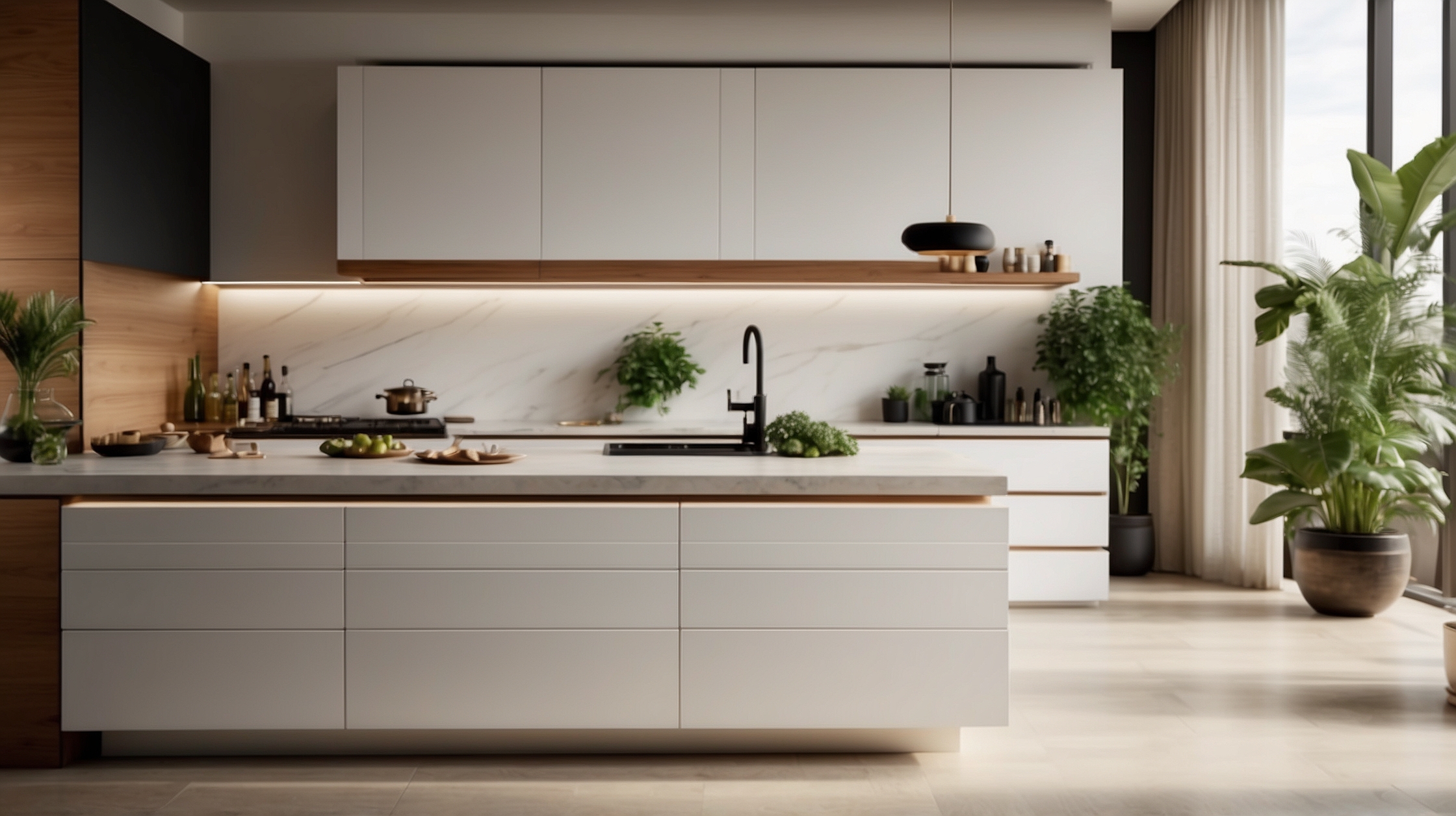
For decades, homeowners have relied on traditional kitchen cabinets made from solid wood or MDF (medium-density fiberboard) to complete their kitchens. However, rising costs, as well as persistent issues with warping, swelling, mould, and maintenance, have left many wondering whether there’s a better solution. A surprising new alternative is emerging that delivers durability, affordability and a sleek modern finish — and it might just spell the end of conventional cabinetry as we know it.
This game-changing option is **aluminium cabinetry**, a feature once reserved for commercial kitchens, which is now becoming increasingly popular in residential homes due to its **resistance to water, termites, heat, and even mould**. Beyond just functionality, aluminium solutions offer minimalist aesthetics and customisation that aligns perfectly with the modern, clutter-free design trend. As inflation and material shortages push traditional cabinet costs higher, this alternative is receiving newfound attention—and praise—from builders, renovators and even everyday homeowners seeking long-term value.
Overview of Alternatives to Traditional Kitchen Cabinets
| Feature | Traditional Wood Cabinets | Aluminium Cabinets |
|---|---|---|
| Water Resistance | Low | High |
| Cost | Moderate to High | Moderate |
| Durability | Can warp, crack over time | High, resists warping and swelling |
| Mould and Pest Resistance | Low | High |
| Maintenance Required | High | Low |
| Common Settings | Residential | Commercial & Growing Residential Use |
Why traditional cabinets are falling out of favour
Traditional kitchen cabinets — often bulkily constructed from plywood or MDF with laminate finishes — have long been a staple of home design. However, their susceptibility to common kitchen hazards, like excessive moisture and heat, make them especially vulnerable over time. Many homeowners are fed up with swelling drawers, warped doors, peeling finishes, and musty-smelling interiors caused by **mould buildup** or **termite infestations**.
Furthermore, the rising cost of quality timber, coupled with increased labour charges for installation and finishing, have made them less accessible and economical. Add environmental concerns about wood harvesting and chemical sealants, and the overall value proposition has taken a big hit.
The rise of aluminium as a viable, affordable solution
Aluminium cabinets offer a compelling alternative to wood. Not only are they **immune to water damage**, but they’re also naturally **resistant to pests and fire**, making them an ideal choice for damp or high-traffic kitchens. Unlike laminate or MDF, aluminium doesn’t delaminate, sag, or grow mould. Many manufacturers now offer powder-coated aluminium finishes that mimic the warmth of timber but without any of the drawbacks.
Because aluminium is lighter than many engineered wood products, it also puts less strain on wall mounts and drawer hardware. The result is a cabinet that looks sleek, lasts longer, and **requires minimal upkeep**. Models are also often modular, allowing for faster installation and easier customisation.
Many of our clients are surprised to learn that aluminium cabinetry can match traditional designs in style while offering far superior performance.
— Jason Li, Interior Designer
What changed this year to drive new popularity
A combination of factors has pushed aluminium kitchen cabinets into the spotlight in 2024. First, natural disasters and supply chain interruptions have caused lumber prices to spike, widening the price gap between wood and metal cabinets. Second, increased interest in minimalist and industrial aesthetics has made the clean lines of aluminium more fashionable than ever.
In addition, **climate change and its impact** on humidity levels in homes have underscored the need for materials that can withstand wetter environments. More homeowners are now actively seeking non-wood options that can future-proof their kitchens from swelling and rot.
With increased awareness of climate impact and maintenance costs, homeowners are prioritising materials that won’t decay or grow mould over time.
— Tamara Singh, Home Renovation Consultant
How aluminium cabinets compare on aesthetics and design
Gone are the days when aluminium cabinets were purely utilitarian and lacked design appeal. Today’s models feature **powder-coated finishes** in matte or gloss tones, even wood-effect grains, and are often accompanied by premium features like soft-close drawers and seamless handle designs. Glass and acrylic panel options allow for visual variety, while anodised finishes grant both style and protection.
These cabinets can be incorporated into a wide range of kitchen styles—from contemporary and minimalist to industrial chic—offering greater creative flexibility without sacrificing durability.
Winners and losers in the shift toward newer materials
| Winners | Losers |
|---|---|
| Homeowners in humid or flood-prone zones | Timber suppliers and traditional cabinetmakers |
| Builders using prefab or modular designs | Manufacturers of MDF and laminate board |
| Eco-conscious consumers avoiding pest poisons or sealants | Chemical coating and varnish producers |
How to transition to aluminium cabinets
For those planning a new kitchen or renovation, switching to aluminium is relatively straightforward, especially when working with suppliers who offer made-to-measure designs. Start by assessing your current kitchen layout and storage needs. It’s important to source cabinets with proper finishes designed for home interiors to avoid industrial-looking results.
In existing kitchens, replacing only lower units with aluminium — the ones most exposed to water-related damage — can be a strategic and budget-friendly first step. Many providers now even offer hybrid solutions: combining wood for upper panels and aluminium below, capturing the best of both worlds.
Cost comparisons and long term savings
While the upfront cost of aluminium kitchen cabinets can be comparable or even slightly higher than mid-range wooden units, the long-term savings are significant. Aluminium’s durability means reduced repair, replacement, and maintenance costs over time. It also withstands trend changes, as you won’t need to repaint or refinish surfaces as often.
On average, aluminium cabinetry can last 20–30 years or more with minimal visual degradation, compared to 10–15 years for wood before visible signs of wear, rot or damage appear. That adds up to thousands saved over the life of the kitchen.
Cleaning and maintenance is extremely simple
One of the standout advantages of aluminium is how easy it is to clean. A simple wipe-down with a mild detergent or multipurpose cleaner keeps surfaces pristine. Because the material is non-porous, it doesn’t absorb stains or odours—unlike birch or MDF panels, which can harbour bacteria and become discoloured over time.
Plus, there’s no requirement for varnishing, painting, or chemically treating the material, making it perfect for homeowners looking for a low-effort kitchen solution.
Short FAQs about aluminium kitchen cabinets
Are aluminium cabinets more expensive than wooden ones?
Aluminium cabinets can be slightly more expensive upfront, but they offer longer durability and reduced maintenance costs, making them more affordable over time.
Do aluminium cabinets rust?
No, aluminium is rust-proof. Plus, modern cabinets often feature anodised or powder-coated finishes for additional protection.
Can I customise the look of aluminium cabinets?
Yes. Thanks to powder coating and design advancements, aluminium cabinets now come in various colours, textures, and finishes, including wood-imitation.
Are aluminium cabinets safe for families with kids?
Absolutely. Aluminium doesn’t emit harmful gases like some treated woods, and has smooth, non-porous surfaces that are easy to clean and safe for cooking environments.
Will aluminium make my kitchen look too industrial?
Not anymore. Contemporary aluminium kitchen cabinets blend seamlessly with residential décor, offering both rustic and modern appearances through custom finishes.
Do aluminium cabinets support standard kitchen hardware?
Yes, most are compatible with standard hinges, drawer sliders, and handles, making installation easier for those switching from wood.
Can I install aluminium cabinets myself?
Some modular systems are DIY-friendly, but professional installation is recommended for best results—particularly for built-in designs.
How long do aluminium cabinets last?
With proper care, aluminium cabinets can last 20–30 years or more without major signs of wear or decay.


