
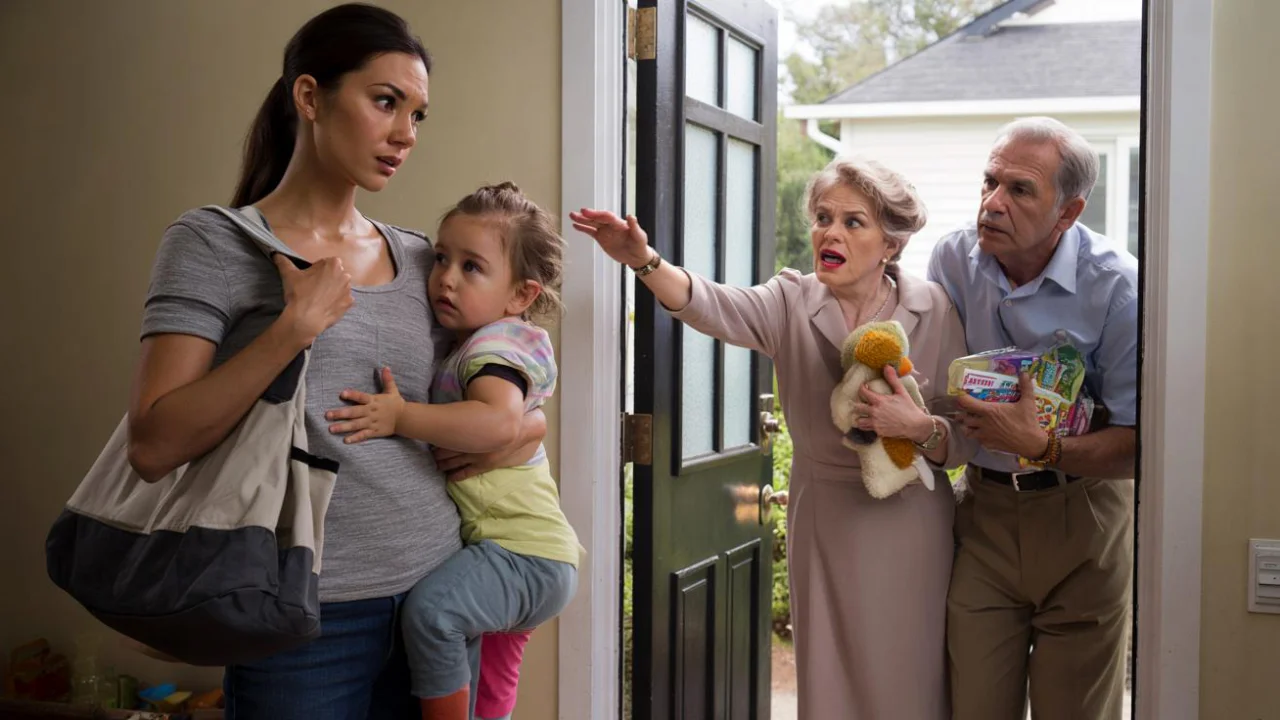
Sarah’s hands shake slightly as she buckles her three-year-old into the car seat. Her mother-in-law had just dropped off Emma after a weekend sleepover, and the child is having a complete meltdown. “I want Grandma’s candy for breakfast!” Emma screams, throwing herself backward. “Grandma said I could have it whenever I want!”
This isn’t the first time. Last month, it was staying up until midnight watching cartoons. Before that, Emma came home refusing to eat anything but chicken nuggets because “Grandma says vegetables are yucky too.” Sarah loves that her in-laws adore Emma, but she’s starting to realize that their version of love might be doing more harm than good.
The ride home is twenty minutes of explaining why candy isn’t breakfast food, while Sarah questions everything she thought she knew about family help.
The hidden costs of grandparent babysitting
Grandparent babysitting seems like the perfect solution. Free childcare from people who love your kids unconditionally. No stranger danger, no hefty daycare bills, and built-in family bonding time. But scratch beneath the surface, and many parents discover they’re paying a different kind of price.
“The emotional toll of constantly having your parenting undermined can be devastating,” says Dr. Jennifer Martinez, a family therapist who specializes in multi-generational conflicts. “Parents end up feeling like they’re fighting for authority in their own homes.”
The problems often start small. A cookie before dinner here, a skipped naptime there. But these seemingly innocent boundary crossings can snowball into major issues that affect everything from your child’s behavior to your relationship with your parents.
Modern parenting often clashes with the “we survived just fine” mentality of previous generations. Car seat safety, screen time limits, food allergies, and sleep schedules that seemed optional twenty years ago are now considered essential by pediatricians and child development experts.
The most common grandparent babysitting conflicts
Understanding where problems typically arise can help parents make informed decisions about childcare arrangements. Here are the issues families face most often:
- Safety standards: Car seats, baby gates, and childproofing that grandparents dismiss as “overprotective”
- Food restrictions: Allergies, dietary preferences, or nutrition guidelines being ignored
- Screen time battles: Tablets and TV becoming default entertainment despite family rules
- Discipline differences: Undermining timeout, consequences, or behavioral expectations
- Sleep schedule chaos: Late bedtimes and skipped naps disrupting carefully established routines
- Spoiling without limits: Excessive gifts, treats, or privileges that create entitlement issues
| Issue | Impact on Child | Impact on Parents |
| Ignored food rules | Health risks, picky eating | Stress, mealtime battles |
| Inconsistent discipline | Confused boundaries, testing limits | Undermined authority, behavioral regression |
| Excessive treats/gifts | Entitlement, materialism | Financial pressure, values conflict |
| Safety violations | Physical danger, accidents | Anxiety, loss of trust |
“I’ve seen children develop anxiety because they never know which set of rules applies,” explains child psychologist Dr. Robert Chen. “Consistency is crucial for healthy development, and conflicting messages from trusted adults can be genuinely confusing for young minds.”
When grandparent relationships become toxic for everyone
The emotional manipulation often starts subtly. Comments like “You’re too strict” or “We didn’t need all these rules when you were little” gradually escalate into guilt trips and passive-aggressive behavior. Some grandparents use their relationship with grandchildren as leverage in family disputes.
Maria, a mother of two from Phoenix, describes her wake-up call: “My four-year-old started saying things like ‘Grandma says you’re mean’ when I enforced bedtime. I realized my mother was actively turning my child against me during babysitting sessions.”
The impact extends beyond individual families. Children caught between conflicting authority figures often develop behavioral problems, anxiety, or difficulty respecting boundaries in other settings like school or daycare.
“When grandparents consistently undermine parents, children learn that rules are negotiable and that they can play adults against each other,” notes family counselor Lisa Thompson. “This creates problems that extend far beyond the family dynamic.”
Parents also suffer psychological consequences. The constant stress of wondering what rules will be broken, what habits will be disrupted, or what conflicts will arise can lead to resentment, anxiety, and damaged relationships with their own parents.
Some families find themselves in situations where saying no to grandparent babysitting creates more drama than accepting help. Grandparents may use emotional manipulation, guilt trips, or threats to withdraw financial or emotional support if their “help” is rejected.
Alternative solutions that protect your sanity and your kids
Breaking free from problematic grandparent babysitting doesn’t mean cutting family out entirely. Smart parents are finding creative ways to maintain relationships while protecting their authority and their children’s wellbeing.
Professional childcare providers offer consistency, training, and respect for family rules that some grandparents can’t or won’t provide. Yes, it costs money, but many parents find the peace of mind worth every penny.
Structured visits work better than open-ended babysitting arrangements. Having grandparents over for dinner or planned activities gives them family time without surrendering parental control. You’re present to redirect when boundaries get crossed.
“I started inviting my parents for Sunday afternoons instead of weekend babysitting,” shares Rebecca, a teacher and mom of three. “They still get quality time with the kids, but I’m there to step in when someone tries to give ice cream thirty minutes before dinner.”
Some families create detailed written agreements outlining expectations, emergency procedures, and non-negotiable rules. While this might seem formal, it eliminates the “I forgot” or “I didn’t know that was important” excuses.
Building a support network of friends, neighbors, and professional caregivers reduces dependence on grandparents who struggle with boundaries. Parent swaps, trusted babysitters, and reliable daycare providers give you options when you need help.
FAQs
How do I tell my parents I don’t want them babysitting anymore without hurting their feelings?
Focus on what you need rather than what they’re doing wrong. Try “We’ve decided to use professional childcare for consistency” rather than listing their mistakes.
What if my parents threaten to withdraw financial support if I stop letting them babysit?
This is emotional manipulation and a red flag that the relationship may be unhealthy. Consider whether accepting help with strings attached is truly beneficial.
Can grandparent babysitting work if we set clear boundaries?
It can work if grandparents genuinely respect and follow your rules consistently. The key is their willingness to prioritize your child’s needs over their own preferences.
Is it normal to feel guilty about not wanting free help with childcare?
Absolutely. Many parents struggle with guilt, but remember that protecting your child’s wellbeing and your family’s harmony isn’t selfish—it’s responsible parenting.
What should I do if my child prefers grandparent rules and complains about my stricter approach?
Stay consistent with your boundaries while acknowledging their feelings. Explain that different places have different rules, just like school versus home.
How can I maintain a good relationship with my parents while declining their babysitting offers?
Suggest alternative ways to spend time together that don’t involve unsupervised childcare. Plan family activities, invite them for meals, or arrange short visits where you’re present.


