
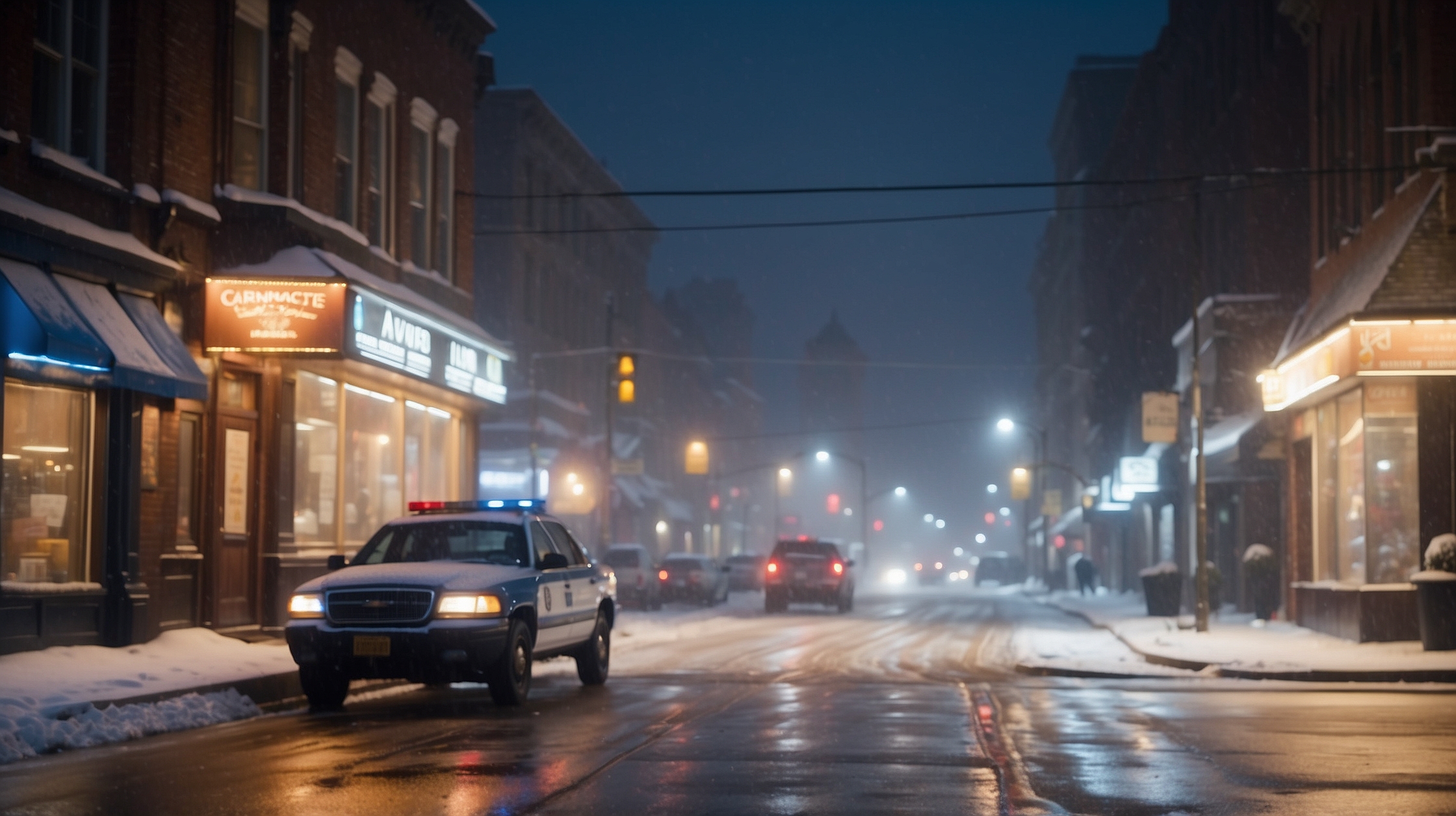
As a powerful winter storm barrels into the region, residents are being urged to hunker down and avoid unnecessary travel. Starting tonight, heavy snow is expected to hit urban and rural areas alike, with authorities already mobilizing emergency responses and road clearing operations. While local governments and weather officials are sounding the alarm, many essential and non-essential businesses have chosen to remain open, posing critical challenges for employee safety and transportation logistics.
Meteorologists warn that the snowfall accumulation could reach significant levels in just a few hours, making roads perilous and potentially impassable. For many, the winter storm is not just a weather event—it’s a critical test of preparedness, resilience, and leadership from both civic leaders and business owners. With frigid temperatures expected to follow the storm, the situation could become even more hazardous, underscoring the importance of staying informed and making smart decisions.
Storm overview: What you need to know right now
| Event | Severe Winter Storm with Heavy Snowfall |
| Start Time | Tonight (Exact time varies by region) |
| Expected Snow Accumulation | 6 to 12 inches in most areas; up to 18 inches in higher elevations |
| Government Advisories | Stay off roads unless absolutely necessary |
| Business Operations | Most remain open with modified hours or remote work policies |
| Temperature Drop | Expect low teens and single digits following snowfall |
| Power Outage Risk | Moderate to high due to ice accumulation and wind gusts |
Officials urge extreme caution on roads
Local authorities have issued strong warnings against venturing out once the snow begins to fall. Snow plows and salt trucks are already staged across key routes, but the volume and intensity of snowfall may overwhelm even the best-equipped municipalities. Emergency services are preparing for delayed response times and increased accident risks due to whiteout conditions.
“Please do not drive unless it is absolutely essential. Roads will be hazardous within a matter of hours, and emergency crews need unhindered access.”
— Chief Laura Benson, Director of Emergency Management
Some counties have issued Code Red alerts, while others are enforcing travel bans on non-emergency vehicles. Public transportation authorities are also keeping a close eye on conditions, with potential for schedule suspensions or route alterations as snow accumulates.
Businesses remain operational—some with flexibility
Despite the wall of snow approaching, many businesses have chosen to keep their doors open. Adaptability is the name of the game, as companies strive to maintain continuity without compromising employee safety. Some organizations have shifted to full remote operations, while others offer shortened hours or voluntary attendance policies for staff.
“We are closely monitoring the situation and empowering team leads to allow work-from-home arrangements where feasible. Customer service remains our top priority, but not at the expense of safety.”
— Andrea Patel, CEO, Local Retail Chain
However, not all employers are taking the same approach. Hundreds of essential workers across delivery services, healthcare industries, utility crews, and grocery chains are still expected to report to duty. The lack of a unified policy across industries has drawn criticism from local labor advocates.
Emergency services and shelters prepare for worst-case scenarios
Local hospitals, fire departments, and police stations have activated winter storm readiness protocols. Temporary warming centers and overnight shelters are being opened across multiple counties to aid the homeless community and those without adequate heating. Non-profit organizations are collaborating with civic authorities to distribute blankets, hot meals, and emergency kits.
“We are asking residents to check on elderly neighbors and anyone who might be vulnerable to the extreme weather. If you need assistance, do not hesitate to call emergency services.”
— Dr. Mirza Khan, Director of Public Health
School districts have already moved classes online or canceled sessions entirely for the next few days. Parents are encouraged to prepare for extended closures, especially if power outages impact digital learning tools.
Utilities brace for widespread impacts
Electric and gas companies have issued alerts warning that the heavy snow, combined with accumulating ice and strong winds, could severely damage infrastructure. Tree falls are a serious concern and could lead to extended, localized power outages. Utility workers are being dispatched proactively in areas identified as high risk for outages.
“Our crews are ready to respond around the clock, but we urge residents to stock up on essential supplies including batteries, flashlights, and non-perishable food just in case.”
— Michelle Dupree, Spokesperson, Regional Power Authority
Residents are advised to charge electronic devices fully before the storm’s arrival and to avoid using open flames as heat sources due to fire hazards. Generators, if used, should be operated outdoors in well-ventilated areas to avoid carbon monoxide poisoning.
Community response and mutual aid efforts
More than ever, community groups and neighborhood networks are stepping up to offer mutual aid. From shoveling driveways for seniors to organizing grocery drop-offs for those without transportation, citizens are displaying resilience and cooperation in the face of a difficult winter challenge.
Many houses of worship have opened their doors as emergency rest points, while school gymnasiums and community centers are being converted into temporary shelters. Social media platforms are awash with posts offering rides, warmth, and companionship during what could be a long and freezing few days.
Forecast calls for continued harsh conditions
The snowstorm isn’t a one-and-done event. Meteorologists predict a second wave of wintry weather trailing just behind the initial system. This secondary front may bring freezing rain and sleet, complicating cleanup efforts and extending disruptions through the weekend.
“The snow totals are only part of the story. Wind gusts exceeding 40 mph will create dangerous wind chills and could lead to snow drifts over three feet high in some areas.”
— Clark Simons, Senior Meteorologist
Residents are strongly encouraged to remain indoors and avoid non-essential activity for at least the next 48 hours. Snow removal is recommended to begin shortly after snowfall ends to prevent buildup and ice formation.
Winners and losers amid the snowstorm
| Winners | Losers |
|---|---|
| Remote-capable employees | Hourly workers at physical locations |
| Grocery stores and delivery services | Commuters and transit systems |
| Community shelters and volunteers | Outdoor workers in construction and logistics |
| Digital education providers | Parents juggling work and childcare |
Short FAQs about the snowstorm
When is the snow expected to start?
The snowstorm is forecast to begin tonight, with intensity increasing throughout the overnight hours.
How much snow will we get?
Most areas can expect between 6 to 12 inches, with some regions facing up to 18 inches depending on elevation and location.
Are schools open tomorrow?
Most school districts have canceled in-person learning and shifted to online instruction or a snow day.
Can I drive to work?
Authorities strongly advise against travel. Check with your employer for remote work options and stay off the roads unless it’s an emergency.
Will public transport be operating?
Expect delays and potential shutdowns. Check local transit authority updates before setting out.
Are any shelters open?
Yes, multiple warming centers and shelters have been opened across towns and cities. Call local help lines to locate one near you.
Should I be concerned about losing power?
Yes, utility companies warn of moderate to high risk. Prepare accordingly by charging devices and gathering emergency supplies.
How can I help others during the storm?
Check in on neighbors, especially the elderly or those without heat. Volunteer at local shelters if it’s safe to do so.


