
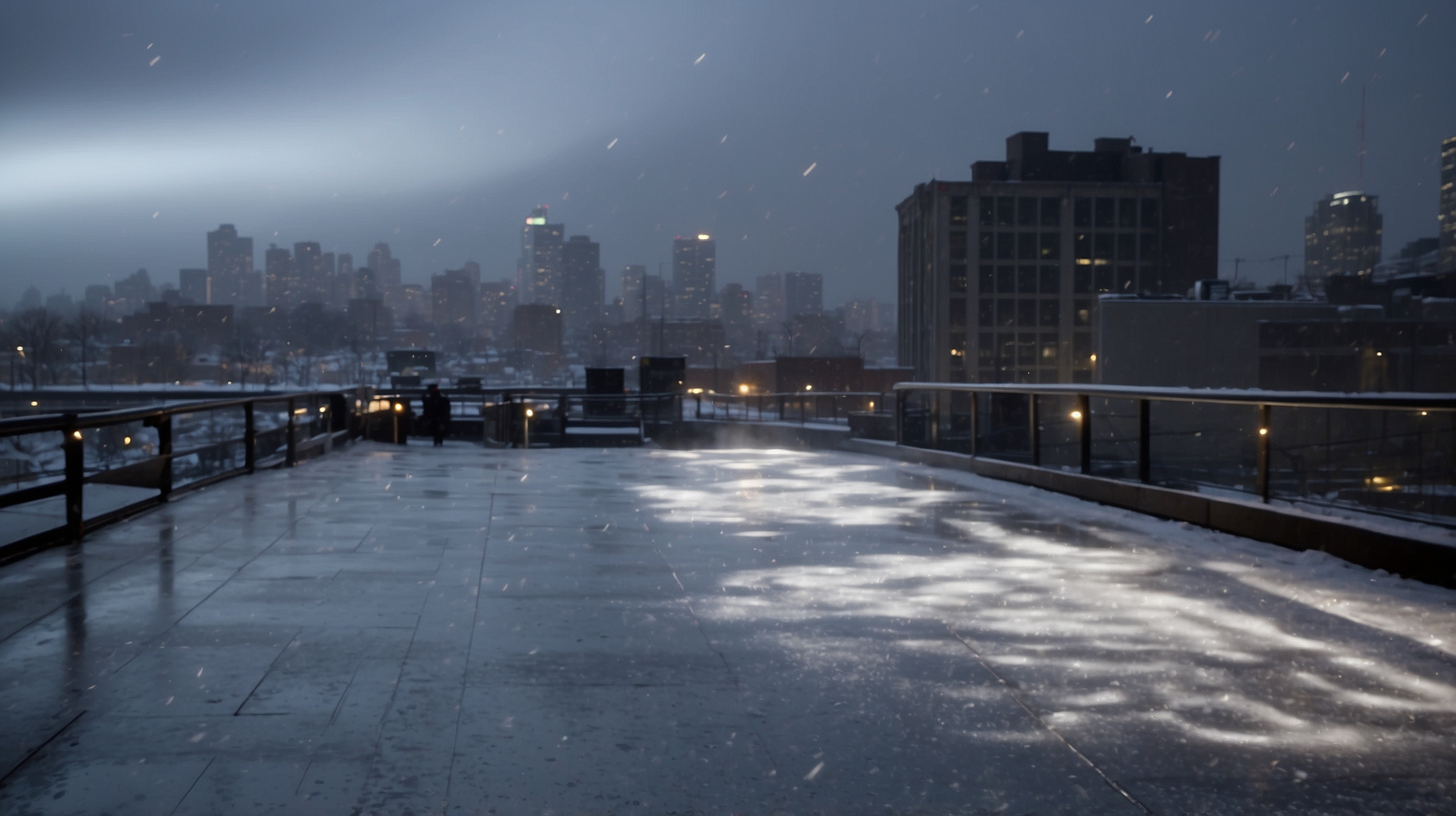
As a powerful winter storm system accelerates its pace toward several major metropolitan areas, forecasts now predict that heavy snowfall will arrive earlier than initially anticipated. Meteorologists are urgently updating models, and city officials are scrambling to respond. Residents in cities like Chicago, New York, Philadelphia, and Boston are being urged to prepare for impactful weather that could paralyze transit, shutter schools, and overload emergency services. What’s more concerning is that many businesses so far remain operational despite signs pointing to a fast-deteriorating situation.
Officials in impacted regions are actively considering enacting emergency weather declarations, including traffic limitations and business closure mandates, but timing remains critical. With snow now expected to arrive during high-traffic hours and intensify through the evening, risks for commuters and essential workers are mounting. Public safety agencies are weighing whether to proactively close down key infrastructure and urge residents to stay home. For now, the forecast is shifting by the hour, and communities remain on high alert.
What you need to know about the upcoming snowstorm
| Storm Arrival Time | Earlier than forecast, beginning midday in the northeast |
| Impacted Cities | Chicago, New York, Milwaukee, Philadelphia, Boston |
| Expected Snowfall Totals | 6-14 inches depending on location |
| Government Advisory | Winter Storm Warnings and Watches in effect |
| Emergency Declarations | Under consideration in multiple states |
| School Closures | Expected to increase rapidly ahead of peak snowfall |
| Transit Disruptions | Likely across most regional rail and bus networks |
Rapid shift in predicted storm timeline forces last-minute decisions
Initially projected to affect the Northeast corridor well into the evening, updated radar data uploaded late last night now indicates that the snowstorm’s leading edge will arrive up to six hours earlier. This has created a logistical nightmare for city leaders and regional departments of transportation. Morning commutes may be clear, but by early afternoon, conditions are expected to degrade rapidly, with visibility dropping to near zero in certain areas.
Transportation agencies began pre-treating roadways ahead of schedule to offset the onslaught of precipitation. Crews have been activated in Illinois, Pennsylvania, and New York, with critical highway stretches like I-95 and I-290 expected to be bottlenecks if accumulation begins before evening rush hour.
Local governments weigh emergency measures as snowfall nears
Officials from multiple cities are closely monitoring the evolving weather dynamics and evaluating potential emergency mandates. That includes restrictions on non-essential travel, mandatory business closures, public transport shutdowns, and deployment of snow emergency fleets to high-volume areas. However, many municipalities have yet to announce concrete plans, leaving many businesses and workers uncertain.
We’re watching this storm hour by hour, and we’ll do what’s necessary to preserve public safety. If that means business closures or emergency warnings, we’ll act fast.
— Julie Hernandez, Director of Emergency Services, City of Boston
One issue complicating official responses is the diverse nature of impacts across neighborhoods within metro zones. Some areas may only see moderate snow, while others could experience complete whiteout conditions. Emergency response units are planning dynamic deployments as updates emerge.
Businesses face criticism for staying open
Despite growing indicators of dangerous road conditions ahead, many businesses still plan to operate throughout the day. This has sparked concern from employee rights groups and safety advocates who argue that workers should not be placed at risk commuting during a high-impact winter event. There is mounting pressure on companies to allow telework or issue early dismissal orders, especially in retail and corporate office sectors.
Forcing employees to choose between risking safety or missing pay during a weather emergency is unacceptable.
— Karen O’Neill, Policy Analyst, Workers’ Action Board
The lack of coordinated policy between states has also created confusion among employers who operate across different locations. While some regional chains have announced voluntary early closures, others are waiting for direct municipal mandates before acting. The result is a patchwork response that may leave many workers traveling in hazardous conditions unnecessarily.
Airports, rail, and buses prepare for shutdowns
Major transportation hubs are bracing for mass delays and possible full-day suspensions, particularly in New York and Boston. Runways are already under continuous de-icing operations, and Amtrak has announced preemptive cancellations across the Northeast corridor. City bus networks are operating under weather contingency patterns and expect widespread delays or rerouting.
Airlines have begun issuing travel advisories and have waived rebooking fees for flights into affected regions. Travelers are urged to check departure statuses frequently and avoid inessential travel. Some airport officials have even recommended passengers reschedule all incoming flights to Friday or Saturday.
What changed this year
This particular storm marks an earlier-than-average onset of heavy snow in several cities, likely linked to shifting La Niña patterns and above-average moisture drawn up the Eastern seaboard. Meteorologists have noted how the strength of this system would typically be more common in deep January or February, not in early December. Combined with lingering leaf litter on roads and warmer pavement temperatures rapidly freezing over, conditions pose unique hazards for both vehicles and pedestrians.
This is not a routine snow event—we’re seeing the kind of moisture and wind overpressure generally reserved for mid-winter systems.
— Dr. Calvin Marks, Senior Meteorologist, National Weather Advisory Team
Steps residents should take now
As communities brace for oncoming snow, officials urge residents to finalize key preparations immediately. That includes picking up grocery and medical essentials, fueling vehicles, charging electronics, and limiting all non-essential travel from late morning onward. Those who work in-person should contact employers about modified schedules and should avoid being caught during peak snowfall in the afternoon or evening.
Pet owners should also ensure adequate care during the storm, particularly for outdoor animals. Snow is expected to be dense and wet, raising the possibility of widespread tree limb breakage and local power outages. Prepare flashlights, batteries, and emergency blankets in case heating systems are impacted.
Comparing who’s prepared vs caught off guard
| Winners | Losers |
|---|---|
| Early-action city agencies with salt and prep crews | Businesses waiting too long to close or adjust hours |
| Schools announcing closures by morning | Employees forced to commute during peak snow |
| Airlines issuing flexible travel waivers | Travelers without backup plans or rerouting options |
Short FAQs about the snowstorm
How much snow is expected in major cities?
Between 6 to 14 inches depending on location, with higher totals near inland corridors.
When will the snowstorm begin?
Forecasters now predict snow will begin midday across much of the Northeast, hours earlier than projected.
Will schools and businesses be closed?
Many school districts are announcing closures or early dismissals; business decisions vary widely by employer.
Will public transportation be affected?
Yes, major disruptions are expected across commuter rail, bus lines, and airports.
Are states declaring emergencies?
Emergency declarations are being evaluated and may be announced depending on snowfall rates and timing.
Is this storm related to climate change?
Experts suggest stronger and earlier seasonal storms could be linked to long-term shifts in weather patterns.
What should I do now to prepare?
Complete shopping, charge devices, avoid unnecessary travel, and speak with your employer about flexible options.
Are grocery stores staying open?
Some are operating on abbreviated hours; check directly with your local stores for updates.


