
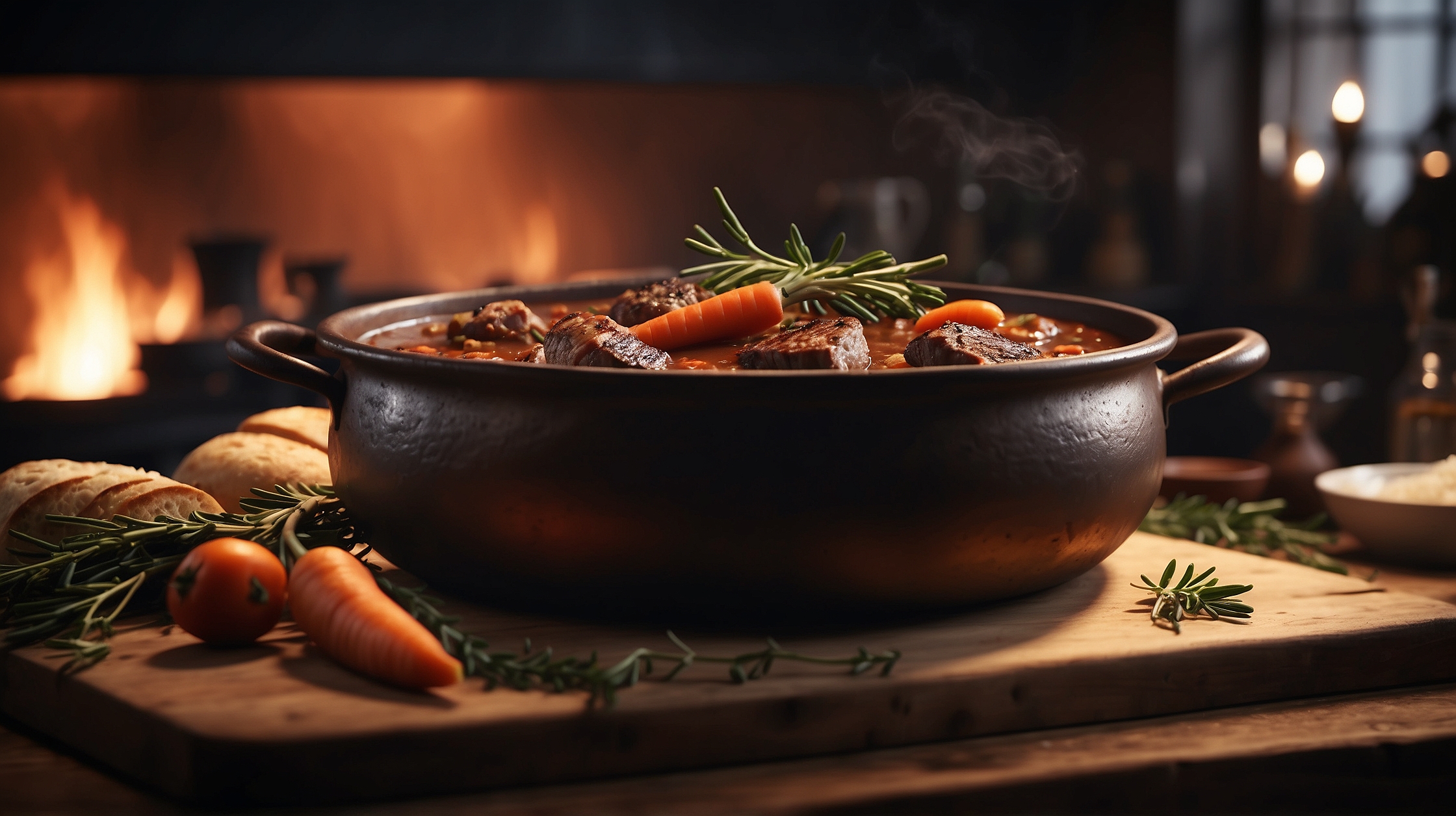
There’s something alchemical about a genuinely soul-warming dinner — not just filling your stomach, but reshaping the entire energy of a cold, gray evening. On one particularly brisk evening, I decided to cook a single, hearty dish that would not only comfort me, but transform the entire mood of my home. What transpired far exceeded my expectations. The warmth from the oven. The smells that seeped into every room. The laughter and conversation that grew more intimate around the table. I hadn’t just cooked dinner; I’d set the emotional temperature for the rest of the night.
This wasn’t just about the food — it was an invitation back into the heart of the home. A tactile reminder that powerful moments don’t have to look like extravagant parties or elaborate plans. Sometimes they begin with the simple act of stirring a pot on the stove, letting memories simmer alongside spices. Here’s why cooking this one, evocative dinner completely shifted the rhythm of an ordinary evening — and how it might do the same for you.
Key takeaways from a single, heartfelt dinner
| What was cooked | Braised Short Ribs with Creamy Polenta |
| Prep time + cook time | 30 min prep, 3 hours total |
| Main ingredients | Beef short ribs, red wine, fresh thyme, polenta, parmesan |
| Occasion | Casual weeknight turned special |
| Intensity of effort | Moderate (one pot, prep-heavy upfront) |
| Why it worked | Rich flavors, low-stakes cooking, made the night feel ceremonial |
Why one comforting meal can change everything
Cooking is already an inherently restorative act — it requires slowing down, using your hands, paying attention to details, tasting, and adjusting. But some meals are made for more than just sustenance. They are meant to cocoon us, invite us to linger at the table longer, and relax into the comfort of what’s familiar yet deeply significant.
This dinner — slow-braised beef short ribs over billowy, buttery polenta — offered that sense of grounded calm. With its heady aromas, rich sauce, and creamy underlay, it invited everyone to pause and truly savor. Suddenly, without planning it, a normal Wednesday evening turned intimate. Phones were left in another room. Voices lowered. The candles on the table mattered.
How the meal came together
The beauty of this dish is in its simplicity of technique and depth of flavor. After seasoning and searing the beef short ribs, I deglazed the pot with red wine, scraped up the good bits, and braised them slowly with onions, garlic, carrots, and thyme. The kitchen immediately took on a scent that hinted at something special underway — even if it was just for the few of us at home.
While the ribs spent hours slowly softening, the polenta simmered into submission, stirred on occasion, finished with a generous amount of parmesan and a knob of butter. This wasn’t fast food. It wasn’t even a 30-minute meal. And in a world of speed and scrolls, that’s exactly what made it powerful — its slowness demanded presence.
“This dish is a meditation in a pot. Grand enough for guests, yet intimate enough for just yourself.”
— Martina Feld, Culinary Nutritionist
The emotional ripple effect
By the time we sat down to eat, something had shifted. The table was set more carefully than usual, the lighting was soft, someone even put on a record. We lingered over plates, shared bites, asked second rounds of questions. It was as if this single dish raised the temperature not just of the kitchen, but of our attitudes and interactions.
This was not just a nourishing meal but a reminder: in the age of digital everything, it only takes one sensory-centered experience to bring us back to ourselves. Whether it’s a weeknight or weekend, creating a meal that slows things down and comforts deeply can grant our minds the same warmth we offer our stomachs.
The dish that made the difference
Braised Short Ribs with Creamy Polenta might sound intimidating to some home cooks, but the process is more therapeutic than taxing. It’s forgiving and allows room to experiment. The ribs become meltingly tender. The sauce develops layers naturally. And the polenta? Pillowy, salty, and ideal for pairing with stews.
It’s one of those sleeper-hit recipes people go back to — not just because it tastes good, but because it helps create occasions out of thin air. You don’t need a birthday or an anniversary. You just need a cold night, a bit of quiet ambition, and a willingness to let the meal unfold on its own terms.
Small choices that elevated the whole night
- Lighting: Dimmed lights and candles made everything feel more intentional.
- Table setting: Real cloth napkins and plates — nothing extravagant, but clearly chosen.
- Music: A low jazz record created mood without overwhelming conversation.
- No devices: Phones on silent, notifications off. Old-school conversation won the night.
What stayed with me
It wasn’t just how good the food was — though it was deeply satisfying — it was how the meal acted as a catalyst. It shifted something emotionally and mentally. The warmth of the dish radiated into a warmth of relationships — stronger eye contact, better jokes, longer silences filled not with awkwardness, but rest.
Now, I think of meals like these not as culinary feats, but as micro-rituals. In a season when many of us are starting to feel the wear of constant change, it’s comforting to know we can still change the energy of an evening with intention — and a few ingredients stewed over time.
Short FAQs
What is the best cut of meat for braising short ribs?
Look for bone-in short ribs with good marbling. They become fall-apart tender after slow cooking.
Can I make this dish in advance?
Yes! In fact, the flavors deepen overnight. Let it cool, refrigerate, and reheat gently the next day.
Is there a vegetarian version of this meal?
You can substitute mushrooms and lentils in place of short ribs, and use vegetable broth for braising.
How do I keep polenta from clumping?
Whisk it into boiling water gradually and stir frequently on low heat. Butter and cheese help smooth it out.
Can this meal be frozen?
Separate the short ribs and polenta before freezing. Store the meat with its sauce. Reheat slowly when ready.
What wine pairs best with this dish?
A full-bodied red like Cabernet Sauvignon or Zinfandel complements the richness of the meat and sauce.
How do I know when short ribs are done?
They should easily pull away from the bone with a fork. If not, let them braise longer at low heat.
What sides complement this dinner?
Simple roasted greens, crusty bread, and a fresh salad with light vinaigrette balance the rich main dish.


