
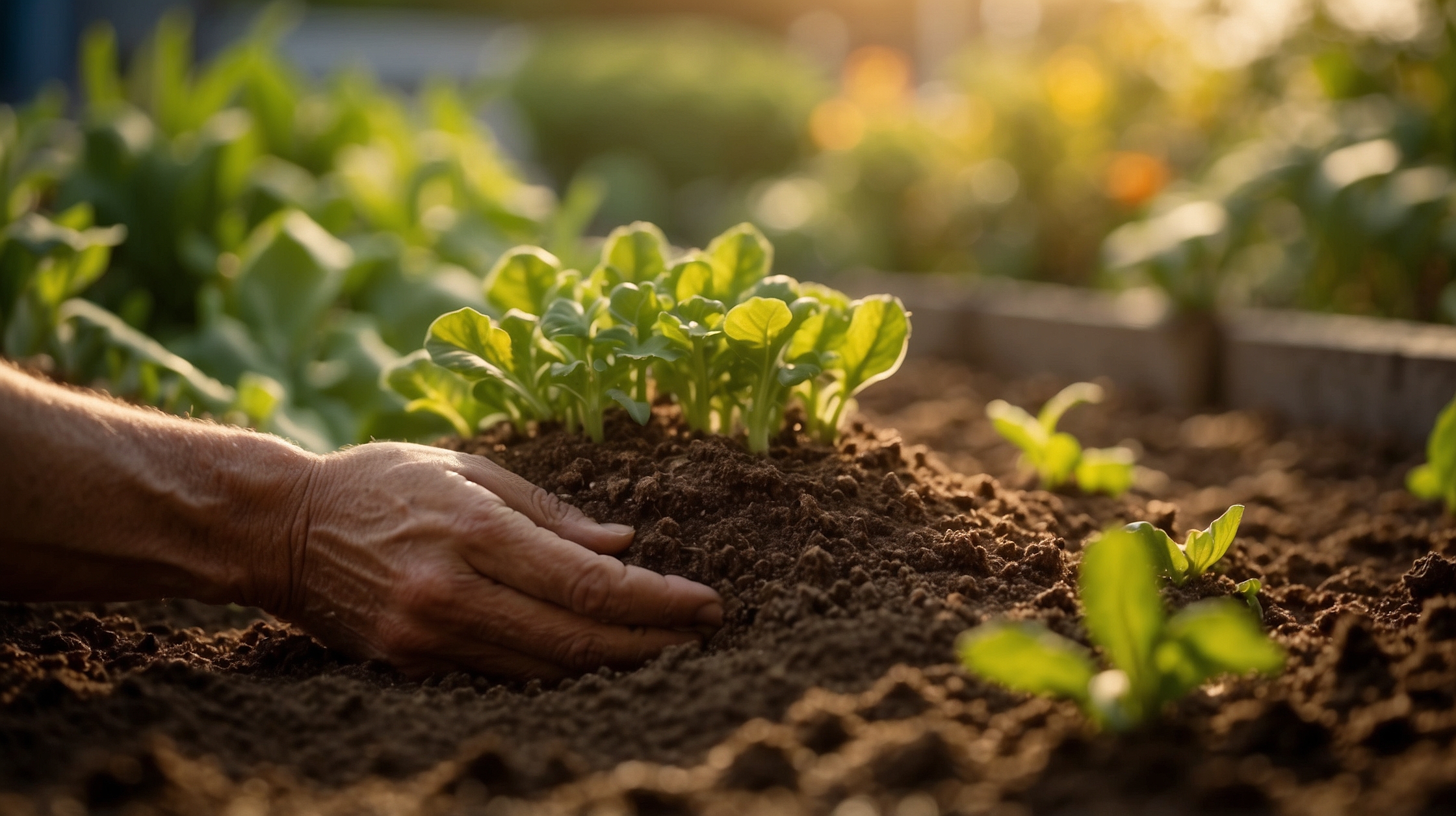
As the seasons change and gardeners begin their yearly preparations, one long-held tradition is starting to get challenged: digging or tilling garden soil every spring. While gardeners have long believed that turning soil helps aerate and prepare the earth for planting, more and more are discovering a surprising truth — not digging their soil may actually lead to a healthier, more productive, and lower-maintenance garden.
By skipping the annual dig, gardeners are noticing stronger soil ecosystems, better water retention, and reduced erosion. The principle behind this method is known as **no-dig gardening**, and it’s quickly gaining traction among both hobbyists and professionals. As soil health becomes a major focus in sustainable agriculture and gardening, this approach is showing how breaking old habits can lead to vibrant and thriving garden beds with less effort. Whether you’re planting vegetables or flowers, the benefits of leaving the soil undisturbed might just change how you grow forever.
At a glance: why ditch digging this spring
| Factor | Old Practice: Digging | New Approach: No-Dig Gardening |
|---|---|---|
| Soil structure | Frequently disrupted | Remains intact and stable |
| Weed growth | Often exacerbated | Typically reduced |
| Labor required | High effort each spring | Much lower long-term |
| Water retention | Varies, often poor | Greatly improved |
| Soil life and health | Disturbed yearly | Left undisturbed to thrive |
What changed this year
For years, gardeners viewed the spade as their first and most vital spring tool. The ritual of flipping soil was believed to allow air, nutrients, and water to mix more readily, prepping the earth for seeds and seedlings. But newer science and lived experience are showing that this practice may be more disruptive than helpful.
Modern gardening enthusiasts have begun embracing the no-dig method due to its clear benefits. By allowing nature to do the work — leaving soil layers intact and focusing instead on enriching the surface with compost — gardeners report more resilient plants and fewer weeds. Over time, the natural structure of the soil fosters symbiotic relationships between microorganisms, fungi, and plant roots, creating a self-sustaining ecosystem that thrives year after year.
The science behind no-dig gardening
The fundamental idea behind no-dig gardening is preserving **soil integrity**. Beneath the surface, soil is home to complex networks of bacteria, fungi (particularly mycorrhizae), worms, and microfauna. These organisms contribute to nutrient cycling, soil aeration, and water retention. Every time the soil is disturbed, these networks are broken, setting back their progressive growth.
By laying compost or organic matter on top of existing soil, you mimic natural forest floor processes. Rain, worms, and microorganisms gradually work this material into the soil without human intervention. Not only does this protect beneficial microbes, but it also helps prevent erosion and compaction, often worsened by digging. In this way, **soil becomes healthier, richer, and more balanced**, leading to lusher growth without traditional labor.
Personal experience: how one gardener made the switch
After years of seasonal digging, one seasoned gardener decided to go against the grain. “What started as an experiment quickly turned into a revelation,” she noted. “My tomatoes thrived, my weeding dropped significantly, and my compost pile finally had a consistent purpose.”
“Letting go of digging was tough at first, but my garden has never looked better. The soil is rich and moist, even during dry spells.”
— Sarah Jensen, Urban Gardener
She reduced physical strain, watched her yields increase, and most importantly, saw the process become simpler. It no longer involved heavy lifting or extensive soil prep, just annual compost layers and routine observation. Over time, her garden beds turned into layered ecosystems of productivity.
Simple steps to start your own no-dig garden
Switching to no-dig gardening doesn’t require a complete overhaul. Here’s how you can begin integrating these principles into your garden with a few practical steps:
- Stop tilling or digging your garden beds; avoid disturbing the soil structure unless absolutely necessary (e.g., when removing deep-rooted weeds).
- Top-dress soil with compost every season, ideally in early spring. Aim for 1–2 inches spread evenly over the bed.
- Mulch regularly with straw, wood chips, or aged leaves to suppress weeds and conserve moisture.
- Plant densely to reduce weed spaces, protect soil, and encourage inter-plant symbiosis.
- Obtain rich compost, preferably home-made or sourced from a reputable compost supplier.
With consistent application, you’ll begin to notice darker, more crumbly soil, healthier root systems, and remarkably lower weed pressure — all by avoiding the shovel.
The role of compost in no-dig success
Compost is the heart of the no-dig method. Whether homemade or purchased, **high-quality compost** adds vital nutrients back to the soil and improves structure. Each spring, apply a fresh layer to replenish lost minerals and provide a slow-release feed. The addition of compost without tilling allows it to integrate naturally, feeding the web of life underground.
“Think of compost as armor and sustenance for your soil. It protects while feeding the life beneath.”
— Dr. Amanda Grover, Soil Ecologist (Placeholder)
Over time, compost can help remediate compacted or degraded soils. By not disturbing the underlying layers, roots can penetrate further while beneficial insects and microbes multiply freely. The result: loamy, rich garden beds with minimal intervention.
Observing the long-term benefits in your garden
Beyond the immediate physical benefits (less digging, fewer weeds), no-dig gardening supports plant health in a variety of ways:
- Higher yields due to more consistent availability of nutrients
- Fewer pests and diseases from balanced habitats and stronger plant immunity
- Better moisture control, especially in dry or compacted zones
- Increased pollinator activity from more diverse plantings and undisturbed soil systems
All these gains make no-dig gardening a cornerstone of **regenerative gardening** — a method focused not just on planting, but on enriching the environment continuously.
Winners and losers when ditching the shovel
| Winners | Losers |
|---|---|
| Soil microbes and fungi | Compact soil-based pests like wireworms |
| Perennial vegetables and flowers | Shovel sales and tiller rentals |
| Pollinators and earthworms | Annual weed species disturbed by tilling |
| Time-strapped or mobility-limited gardeners | Weeds that rely on soil disturbance to spread |
How this method supports long-term climate resilience
Climate-smart gardening involves strategies that protect against drought, erosion, excessive rain, and nutrient loss. No-dig gardening supports each of these goals. Maintaining continuous organic matter on top of your soil increases carbon sequestration, reduces runoff, and immobilizes carbon in a useful form. In times of climate uncertainty, building stronger soil matters more than ever.
“Healthy topsoil is critical to long-term food security. No-dig gardens are micro-models for how we can fix degraded land.”
— Marco Li, Sustainability Consultant (Placeholder)
Short FAQs
What is no-dig gardening?
No-dig gardening is a method that avoids soil disturbance, relying instead on compost and mulch to feed and protect soil from the surface.
Why is digging harmful for soil health?
Frequent digging disrupts beneficial soil organisms, destroys natural structure, and accelerates erosion and compaction.
Do I need to buy compost every year?
Ideally, you can make your own compost. However, good quality compost from local suppliers works well and is essential for no-dig success.
What kinds of plants grow best in a no-dig garden?
Most vegetables, herbs, and perennial flowers perform excellently in no-dig beds, thanks to improved soil health and moisture levels.
How do I deal with weeds without digging?
Suppress weeds with compost and regular mulching. Cutting weeds at the surface can also weaken them over time without disturbing the soil.
Can I apply this to raised beds?
Absolutely. In fact, raised beds are ideal for no-dig practices and are easier to maintain season after season.
What tools do I need for no-dig gardening?
You’ll mainly need a compost spreader or rake, a watering can or hose, and basic mulch layers. No shovels or tillers are required once set up.
Is this method good for first-time gardeners?
Yes, it’s ideal for beginners. It reduces effort and teaches about natural soil processes in a hands-on way.


