
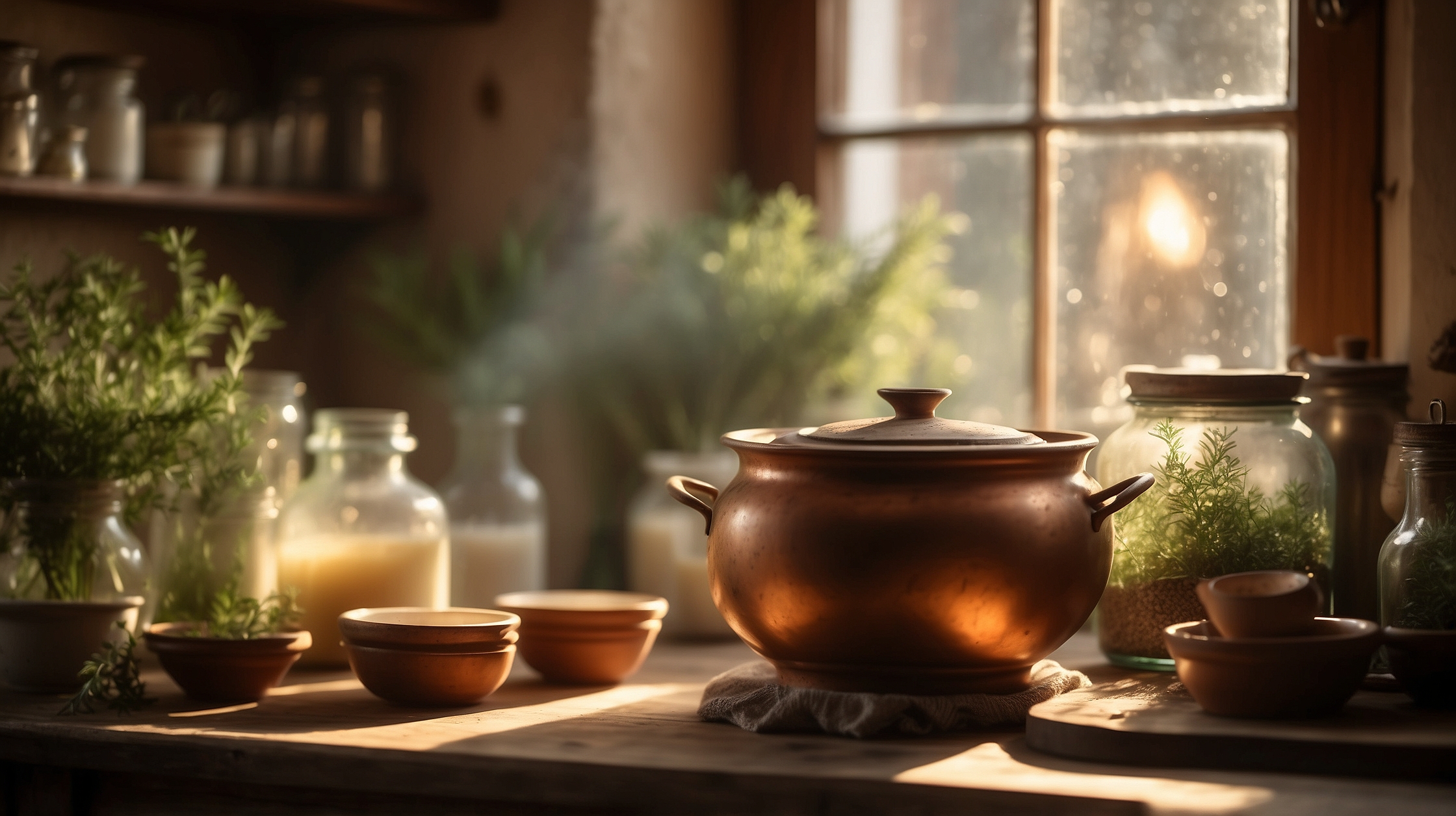
Sometimes the most powerful changes to our environment stem not from complicated technology or expensive upgrades, but from simple, old-fashioned wisdom. In a world buzzing with essential oils, diffusers, and ambient sound machines, we often overlook the holistic rituals handed down through generations. One such timeless tradition is boiling rosemary—a practice with roots in many cultures, including that of the author’s grandmother. After trying this humble ritual, the writer found an unexpectedly profound impact: a home that instantly felt quieter, calmer, and more centered.
More than just a cooking herb, **rosemary** has long been associated with purification, focus, and tranquility. It’s been used in everything from religious ceremonies to natural remedies, and modern science is only now beginning to catch up with what tradition has long understood. This article explores the physical, emotional, and even spiritual benefits of boiling rosemary, and why it’s quickly becoming a popular home wellness method once again. With expert insights, practical tips, and a fresh look at ancient wisdom, we uncover how just a few sprigs of this aromatic herb could transform the energy in your living space.
What you need to know about boiling rosemary at home
| Practice | Boiling fresh rosemary on the stove |
| Primary Benefit | Promotes a calming and refreshing ambiance at home |
| Preparation Time | Approximately 5–10 minutes |
| Recommended Rosemary | Fresh sprigs, organic if possible |
| Frequency | As needed; 2–3 times per week suggested |
| Ideal For | Reducing stress, purifying air, enhancing focus |
Why rosemary is more than just an herb
Historically, **rosemary** has served not only as a flavorful addition to Mediterranean dishes but also as a potent tool in spiritual and wellness practices. In ancient Rome and Greece, rosemary was seen as a symbol of remembrance and its fragrance was believed to sharpen the mind. Today, modern aromatherapy recognizes rosemary oil for its stimulating properties—often used to enhance memory, mood, and even physical energy.
When boiled, rosemary releases essential oils and volatile compounds that waft through the air. This helps turn your home environment into a makeshift apothecary—soothing, aromatic, and inviting. The effect isn’t just fragrant; it’s also emotional. Boiling rosemary serves as both **a sensory experience and a meditative ritual**—an invitation to pause, breathe, and reconnect with your surroundings.
How to get started boiling rosemary
Boiling rosemary is a refreshingly simple process. All you need is a pot of water and a few sprigs of rosemary—preferably fresh. Fill a saucepan with about 2–3 cups of water, add 2–3 rosemary sprigs, and bring the water to a gentle boil. Once it’s bubbling, reduce the heat to let it simmer. As the water simmers, fragrant steam will begin to fill your kitchen and drift through your home. The aromatic oils released during this process can create a noticeable air of calm and clarity.
“The scent of rosemary has been shown in studies to improve concentration and calm anxiety. Boiling the fresh herb engages both the olfactory senses and emotional memory.”
— Dr. Celeste Moray, Holistic Wellness Specialist
Enhanced benefits beyond aroma
While its fresh, woodsy scent is the most immediate reward, boiling rosemary offers more than just a pleasant fragrance. The act itself becomes a moment of mindfulness—a gentle ritual that signals a break from the chaos. Some users also note a perceived shift in the ‘energy’ of their space, attributing a lighter, more open ambiance to the rosemary vapors. Research further indicates that compounds in rosemary such as cineole might help improve mood and reduce cortisol levels, linking the old tradition to real-world biochemical effects.
“Our brains respond positively to herbal aromas, particularly those linked with past comfort and cultural rituals. Rosemary’s healing effect is as much psychological as it is physical.”
— Margo Elsen, Aromatherapy Educator
Making rosemary boiling part of your weekly routine
If you’re new to home herbal rituals, start with **boiling rosemary once or twice a week** and see how your space responds. Some prefer to do it in the morning to set a calming tone for the day, while others find it works beautifully before bedtime to ease into sleep. Add a touch of lemon peel or a cinnamon stick to change the scent profile and enhance the effect. Over time, you may even customize your own herbal ritual around the mood you want to cultivate at home.
Winners and losers in the home scent game
| Winners | Losers |
|---|---|
| Natural herb simmering methods (like rosemary) | Artificial air fresheners with chemical scents |
| Aromatherapy fans seeking natural alternatives | Battery-operated scent diffusers with limited aroma range |
| Minimalists wanting cost-effective ambiance solutions | People relying on overpriced boutique candles |
Other uses of boiled rosemary water
What remains after you boil rosemary is not just used steam, but a **potent infusion** known as rosemary water. This can serve as a natural hair rinse to promote scalp health and shine, as well as a gentle astringent for skin toning. Some reuse it to clean countertops naturally, replacing chemical sprays with herbal freshness that lingers. The versatility of boiled rosemary water adds another layer of functional benefit to what begins as a calming ritual.
The emotional impact of ancestral rituals
For many, inheriting rituals like boiling rosemary becomes an emotional tether to the past. The author of the experience recalls her grandmother using the herb long before it was trendy—boiling it in her kitchen as background to long conversations and quiet evenings. Reintroducing those rituals today brings a sense of continuity, grounding us in a long chain of familial love and care.
“We inherit more than DNA from our ancestors. Their ways of coping, healing, and caring echo in these rituals. Boiling herbs is one of the oldest forms of home-based wellness.”
— Leona Westbrook, Cultural Anthropologist
Short FAQs about boiling rosemary
What does boiling rosemary do?
Boiling rosemary releases aromatic oils that help purify the air, reduce stress, and create a calmer ambiance in your home.
Can I use dried rosemary instead of fresh?
Yes, though fresh rosemary has a more potent scent, dried rosemary can still be used with effective results.
Is it safe to boil rosemary daily?
Boiling rosemary daily is generally safe, though most find doing it 2–3 times weekly to be sufficient for the desired mood enhancement.
Does boiled rosemary have health benefits?
Inhaling steam from boiled rosemary may help reduce anxiety, uplift mood, and even enhance focus due to components like cineole.
Can rosemary water be reused?
Yes, rosemary water can be cooled and used as a natural cleanser, skin toner, or hair rinse.
Does boiling rosemary replace candles or diffusers?
While it doesn’t replace all forms of scenting a home, boiling rosemary is a cleaner, natural alternative with no artificial additives.
What type of pot should I use to boil rosemary?
A small stainless steel or ceramic saucepan works best. Avoid reactive metals like aluminum for better scent purity.
How long should I let the rosemary simmer?
Let the rosemary simmer for about 10–15 minutes to fully release its aromatic oils into your home environment.


