
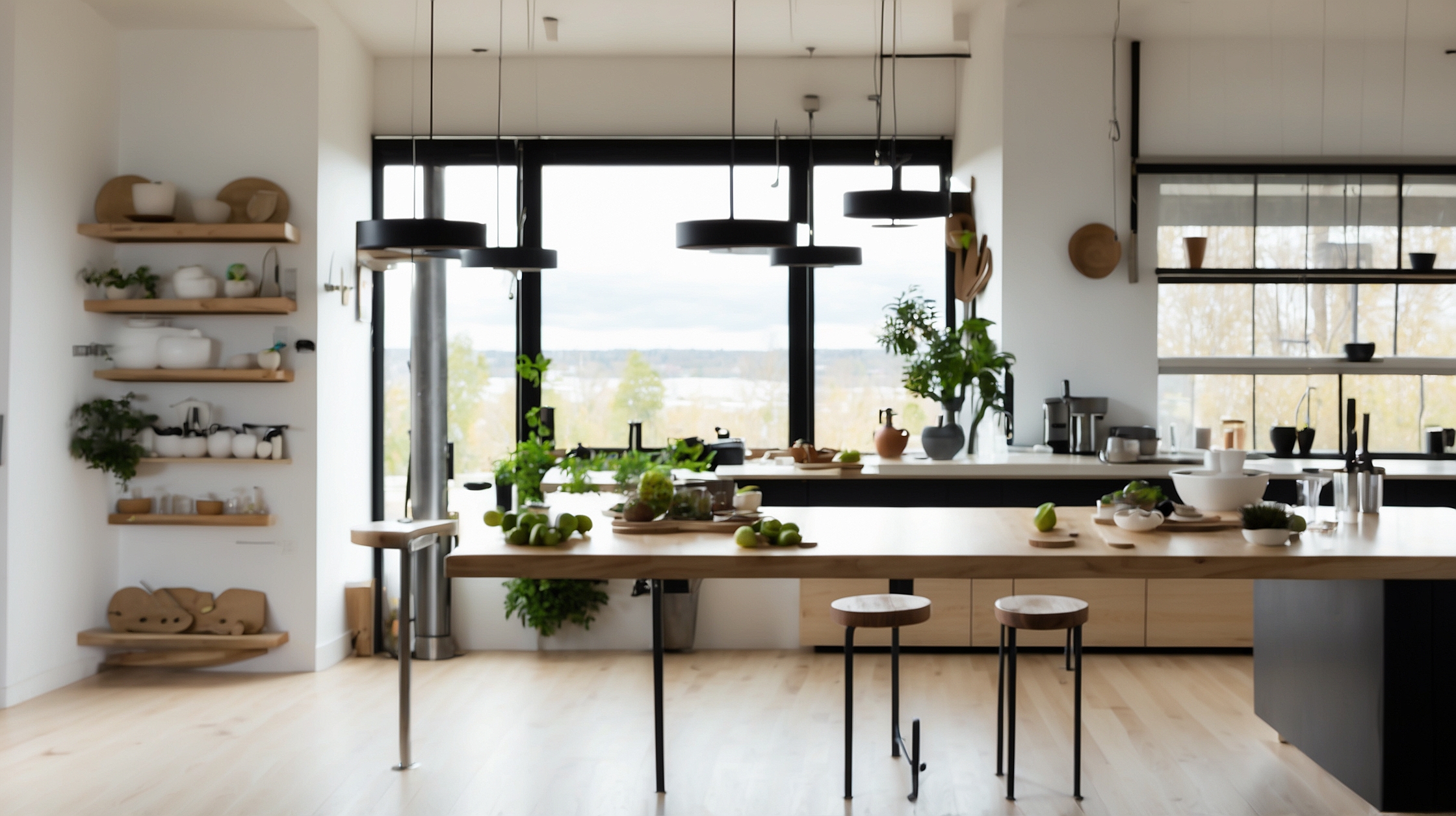
As open-concept living continues to dominate home design trends, the kitchen has become more than just a space for cooking—it’s the heart of the home, a central hub for socializing, entertaining, and multitasking. For years, kitchen islands have been perceived as the gold standard, lauded for their additional countertop space, storage opportunities, and aesthetic appeal. However, a surprising shift is underway. More homeowners are swapping their traditional kitchen islands for smart, space-saving alternatives that better suit their evolving lifestyles and compact living requirements.
This growing trend signals a departure from the notion that bigger always means better. Whether it’s due to tighter floor plans, the desire for better flow, or an interest in budget-friendly renovations, alternatives to kitchen islands are catching on fast—and for good reason. They often bring greater functionality, versatility, and visual openness to kitchens of all sizes, especially compact and mid-sized layouts where every inch counts.
Kitchen Island Alternatives Overview
| Alternative | Key Benefit | Best For |
|---|---|---|
| Rolling Carts | Portable and flexible workspace | Small apartments, tight layouts |
| Peninsulas | Maximizes counter space along walls | Open kitchens with a U or L layout |
| Expandable Tables | Versatile eating and prep space | Multi-purpose kitchen/dining rooms |
| Butcher Blocks | Durable cutting surface and charm | Rustic or vintage homes |
| Wall-Mounted Foldables | Space saving and discreet | Studio kitchens, minimalists |
What’s driving the shift away from kitchen islands
One of the main catalysts for the decline in favor of traditional kitchen islands is spatial limitation. Not every homeowner is working with an expansive kitchen footprint, and installing a hefty island in a smaller space can impede movement and disrupt efficiency. As more people downsize or move into urban apartments, they are finding that oversized islands simply don’t fit with their goals of flow and comfort.
Another major factor is the cost. Building a fixed kitchen island, especially one with plumbing for a sink or electric lines for appliances, can quickly inflate a renovation budget. Meanwhile, many of the emerging alternatives offer equal utility at a fraction of the price. Homeowners seeking function without the financial commitment find that movable carts, fold-down tables, or integrated peninsula designs hit the sweet spot.
Peninsulas make a powerful comeback
Once regarded as the less glamorous cousin of the kitchen island, **peninsulas** are making a major resurgence. These extensions of existing cabinetry or countertops offer an anchored, space-efficient solution that still delivers ample prep space and seating. Particularly well-suited for U-shaped or L-shaped kitchens, peninsulas seamlessly blend into the overall kitchen layout without interrupting traffic flow.
“Peninsulas are functional powerhouses. You get many of the same benefits as an island without sacrificing floor space, which is especially important for galley kitchens or multifunctional open areas.”
— Carla Jensen, Interior Architect
When designed with intention—perhaps including under-counter storage or bar seating—a peninsula can serve as the heart of the kitchen, just like an island, but with a much friendlier footprint for smaller rooms.
Rolling kitchen carts combine beauty with mobility
Lightweight and highly mobile, **rolling carts** are perhaps the most versatile alternative to kitchen islands. Far from the humble utility carts of yesteryear, modern kitchen carts come in a variety of chic designs, incorporating features like towel racks, drawers, wine storage, and even marble or granite tops.
The greatest benefit: they’re not fixed. You can easily roll a cart to where you need it most—near the stove while you cook, beside the dinner table to serve drinks, or into a corner when you need open space.
“Kitchen carts are perfect for renters or homeowners with evolving needs. They offer freedom and transform a room as needed.”
— Mia Lockridge, Home Style Consultant
Expandable kitchen tables pull double duty
In open-plan homes where the dining space blends into the kitchen, **expandable dining tables** are becoming the go-to substitute for islands. Designed to extend or fold away as needed, these tables act as both prep area and gathering spot, making meal times more inclusive and less isolated for the cook.
This dual functionality is making them increasingly popular in households that favor conversational, communal vibes over traditional kitchen formalities.
Butcher blocks add rustic charm and function
For those seeking a stationary worktop surface but without the bulkiness of an island, **butcher blocks** offer an old-school solution with modern-day relevance. Typically compact in size, these standalone pieces not only add character, particularly in farmhouse-style or vintage kitchens, but also provide a heavy-duty workspace ideal for slicing, kneading, and plating.
Butcher blocks can also be repurposed antiques or custom-made to suit your cabinetry, making them an eco-friendly and stylish choice for renovation-conscious homeowners.
Wall-mounted and foldable counter solutions
Functional yet discreet, **fold-down counters** and **wall-mounted tablelets** are ingenious answers for ultra-compact kitchens. When not in use, they stay flush against the wall, freeing up floor area. This design is especially appealing in studios, tiny homes, or minimalist residences where visual clutter needs to be minimized.
Some models even incorporate hidden storage or magnetic surfaces, transforming dead wall space into a productive culinary corner without ever compromising style.
Winners and losers in the kitchen design evolution
| Winners | Why They Won | Losers | Why They Lost |
|---|---|---|---|
| Rolling Carts | Affordable, versatile, renter-friendly | Oversized Islands | High costs, space limitations |
| Peninsulas | Seamless integration into small kitchens | Fixed Counters with Utilities | Expensive to install and less adaptable |
| Foldable Tables | Multi-functional and discreet | Standalone Islands in Small Kitchens | Obstructive and underutilized |
Tips for choosing the right alternative
Choosing the best kitchen island alternative comes down to your specific needs, layout, and style. Here are a few expert tips:
- Measure your space: Know your kitchen’s dimensions and traffic flow patterns before selecting a piece.
- Define your priorities: Are you looking for extra storage, more prep area, or seating? Prioritize based on functionality.
- Consider mobility: If your space is dynamic, opt for wheeled or foldable options.
- Match your home’s style: Choose an option that complements existing cabinetry, finishes, and overall decor.
Why the trend isn’t going away anytime soon
Today’s homeowners crave functionality, efficiency, and adaptable design more than ever before. As lifestyles continue to shift towards flexible work environments, multifunctional home usage, and smaller architectural footprints, the appeal of large, fixed kitchen islands may continue to wane.
“People want spaces that change with their needs,” said Lockridge. “Alternatives to islands provide incredible value both in function and aesthetic.”
With options tailored to every lifestyle—from space-saving foldables to mobile carts to built-in peninsulas—it’s clear the kitchen design universe is vast and ripe with opportunity beyond the conventional island.
Frequently Asked Questions
What is the most popular kitchen island alternative?
Currently, peninsulas and rolling kitchen carts rank among the most favored alternatives due to their functionality and space efficiency.
Can I install a kitchen peninsula in a small kitchen?
Yes, peninsulas work especially well in smaller kitchens since they extend from existing counters and maintain open floor space.
Are kitchen carts durable enough for everyday use?
High-quality kitchen carts built from sturdy materials offer excellent durability and are suitable for daily prep and storage uses.
Will removing an island affect my home’s resale value?
Not necessarily. Buyers increasingly prioritize functionality over tradition, so well-designed alternatives can be just as appealing.
What’s the main benefit of a wall-mounted fold-down table?
These tables offer discreet, foldable workspace that can be tucked away when not needed—ideal for compact living areas.
Is a butcher block safe for food prep?
Yes, as long as it is made from food-grade materials and periodically treated, butcher blocks make excellent prep surfaces.
Do expandable dining tables work in modern kitchens?
Absolutely. Their clean lines, multi-functionality, and smart design make them a practical and stylish fit for modern spaces.


