
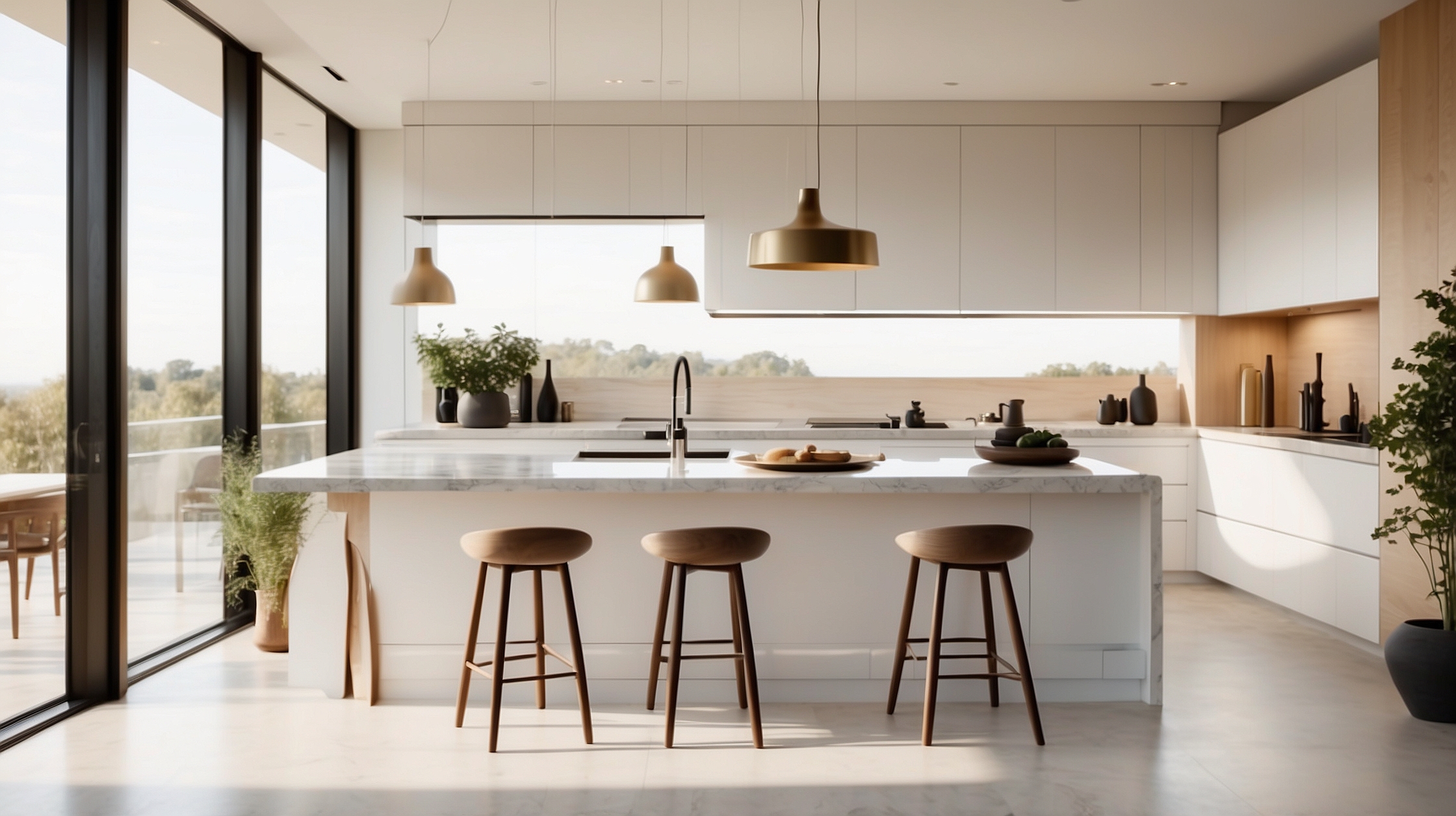
For decades, the kitchen island has reigned supreme as the centerpiece of the modern kitchen—ideal for food prep, quick meals, and gathering with friends. But as home design continues to evolve in 2026, a new contender is stepping up. Homeowners are growing weary of bulky, fixed islands that dominate valuable kitchen space. Now, a more practical and elegant alternative is gaining popularity: the **kitchen worktable**.
Combining timeless appeal with multifunctional benefits, kitchen worktables offer flexibility, character, and a lighter visual footprint. Unlike islands, which are built-in and often expensive to install or modify, worktables are freestanding, movable, and often more budget-friendly. More than a trend, this shift marks a return to authentic functionality with form-meets-function sensibility—perfectly aligning with evolving homeowner preferences for spaces that are more personalized, fluid, and sustainable.
So why exactly are kitchen islands seeing their popularity fade, and why are kitchen worktables quickly becoming the go-to choice for forward-thinking renovators? Let’s unpack how this transformation is redefining today’s culinary spaces and how you can embrace this stylish change in your own home.
Quick overview of the kitchen shift
| Old Trend | Permanent kitchen islands |
| New Preference | Freestanding kitchen worktables |
| Key Benefit | Flexible space usage & timeless design |
| Style Appeal | Farmhouse, industrial, minimalist aesthetics compatible |
| Driving Factor | Desire for mobility, practicality, and reduced renovation costs |
What changed this year
Several intersecting design and cultural shifts led to this rethinking of kitchen layouts. After years of open-concept living and high-end renovations driven by resale value, homeowners in 2026 are leaning into **personalization and function** over status-driven upgrades.
The fixed island, once a status symbol, is now often seen as impractical for smaller homes or those with less-than-grand kitchen footprints. With the growing appeal of minimalism and movement-friendly interiors, islands often become obstacles instead of assets. Add to that the growing trend of sustainability and reduced renovations, and the worktable emerges as a smarter solution.
Work-from-home arrangements and hybrid lifestyles have also prompted reevaluation of home layouts. Many homeowners crave **spaces that can adapt**—a worktable can be cleared for food prep one minute and become a computer desk, art surface, or family game table the next. That level of **fluid functionality** is now considered luxe living.
Why kitchen worktables appeal to modern homeowners
Unlike traditional islands, kitchen worktables evoke the charm of old-world kitchens while meeting the needs of today’s multitasking households. Their freestanding nature allows them to be moved, replaced, or reimagined as needs change. This ability to evolve with the homeowner is a massive point in their favor.
Many worktables also double as conversation pieces. Crafted from materials like reclaimed wood, marble, or stainless steel, they bring character and texture into the space. Some even come with wheels for added flexibility—making them a dream for small apartments or kitchens where square footage matters.
Designers and retailers alike have noticed spike in demand. Hardware brands and furniture companies are expanding their offerings to include customized worktables featuring drawers, towel racks, built-in power points, and even composting units.
Clients are craving authenticity. Worktables allow kitchens to breathe, tell a story, and still deliver functionality.
— Jenna Martinez, Interior Designer
Comparing kitchen islands vs. worktables
| Aspect | Kitchen Islands | Kitchen Worktables |
|---|---|---|
| Installation | Built-in; often requires plumbing and permits | Freestanding; ready-made or DIY-friendly |
| Mobility | Fixed in place | Easy to move or reposition |
| Design Flexibility | More permanent; limits room layout changes | Adaptable to evolving layout or room purpose |
| Visual Aesthetic | Often bulky; uniform finish | Lighter footprint; adds rustic or industrial charm |
| Cost | Higher installation and customization costs | Generally more affordable and DIY-ready |
Who benefits the most from this trend
While nearly any homeowner can appreciate the versatility of a worktable, they’re particularly ideal for certain groups. Urban dwellers with **smaller kitchens** love how much space they can reclaim. Renters, who may not be allowed to install permanent structures, enjoy the **design freedom** worktables offer.
Families that homeschool, meal prep, or entertain often also find the multifunctionality appealing. A worktable becomes a preschool craft station in the morning and a baking zone in the evening.
How to choose the right kitchen worktable
Finding the perfect match for your kitchen comes down to three major factors: size, style, and function.
- Measure your space carefully: Ensure at least 36 inches of clearance around all sides for comfortable movement.
- Choose materials that complement your design aesthetic: Rustic kitchens benefit from reclaimed wood, while urban lofts pair perfectly with steel or concrete finishes.
- Consider built-in features: Look for optional features like storage shelving, towel hooks, or even hidden charging outlets if needed.
A kitchen table opens up options for every life stage—you can even switch it out as your needs change.
— Leonard Rhodes, Home Renovation Consultant
Experts agree: flexibility is the new luxury
For years, homeowners were encouraged to build for resale value. That meant massive kitchen islands with trendy finishes. But in 2026, the narrative has shifted. Design is now about living fully in the present. A worktable supports that mindset—it’s smart, it’s human-centered, and it allows you to define how your kitchen functions.
Even high-end home builders are catching on. Some are offering *movable work islands* as part of their standard kitchen layouts—blurring the line between island and table with hybrid solutions aimed at the best of both worlds.
Winners and losers in the kitchen design shift
| Winners | Losers |
|---|---|
| Urban homeowners seeking space efficiency | Contractors banking on high-ticket kitchen remodels |
| DIY renovators and renters | Fixed cabinetry and oversized kitchen island designs |
| Sustainable building advocates | Heavily customized, non-moveable design schemes |
Short FAQs about kitchen worktable alternatives
Are kitchen worktables cheaper than islands?
Yes, generally speaking, kitchen worktables are significantly more affordable than building a custom island, especially when factoring in installation, permits, and materials.
Can a kitchen worktable include storage?
Absolutely. Many models offer built-in drawers, racks, or shelves. You can also customize your own to suit your storage needs.
Is a worktable suitable for small kitchens?
Yes. In fact, their compact and movable design makes them ideal for small or galley-style kitchens where every inch counts.
What materials are popular for kitchen worktables?
Reclaimed wood, butcher block, stainless steel, and even marble slabs are commonly used. Choose what matches your kitchen’s style and durability expectations.
Do worktables decrease home value compared to islands?
Not necessarily. With buyers increasingly leaning toward flexibility and unique features, a smartly selected worktable can actually enhance home appeal.
Can I replace my current island with a worktable?
Yes, many homeowners are doing just that. Once plumbing or electrical is capped or rerouted, replacing your island with a stylish table can refresh your entire kitchen look.
Are hybrid island-tables a real thing?
Yes. New-to-market options include elements of both—a sturdy worktable with optional built-ins or subtle casters for flexibility, combining the best of both formats.
Is this just a passing trend?
While all design trends evolve, the focus on flexibility, sustainability, and personalization suggests that the worktable revival is here to stay.


