
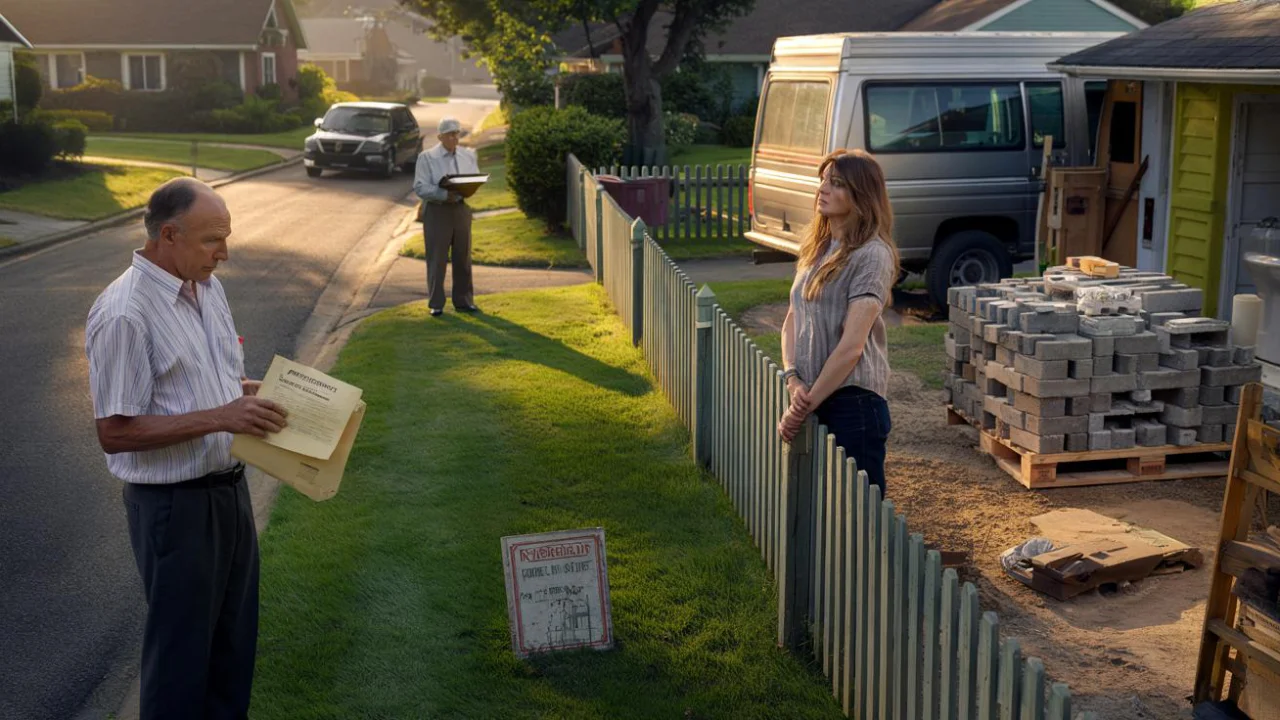
Sarah thought she was just being a good neighbor when she told Tom he could store his boat trailer on the corner of her driveway for “a few weeks” while he figured out where else to put it. That was eighteen months ago. Now Sarah’s trying to refinance her house, and the bank’s surveyor is asking uncomfortable questions about that trailer that’s clearly been there a while.
What started as a simple favor between neighbors has turned into something the legal system calls “unauthorized land use.” Sarah’s discovering that kindness without boundaries can create problems she never saw coming. Her story isn’t unique – it’s happening in neighborhoods across the country as small favors evolve into complex land rights disputes.
The line between being neighborly and creating legal complications is thinner than most people realize. One day you’re helping someone out, the next day you’re dealing with tax implications, property boundary issues, and lawyers who speak in terms you never wanted to learn.
How Simple Favors Transform Into Legal Headaches
The transformation from neighborly gesture to legal problem happens gradually, then suddenly. It starts innocently enough – someone needs a place to park their RV for the weekend, store some building materials, or set up a temporary shed. You say yes because that’s what neighbors do.
But temporary has a way of becoming permanent without anyone making a conscious decision. The weekend becomes a month, the month becomes a season, and suddenly what felt like kindness starts feeling like something else entirely.
“I see these cases regularly, and they almost always start with good intentions,” explains property attorney Jennifer Morrison. “People want to help their neighbors, but they don’t realize that extended use of someone else’s land creates legal implications that can affect property values, taxes, and even ownership rights.”
The legal system doesn’t distinguish between formal arrangements and informal favors once certain time thresholds are crossed. What matters is documented use, not original intent. This creates a perfect storm where acts of kindness collide with property law in ways that surprise everyone involved.
The Real Financial and Legal Consequences
Land rights disputes stemming from neighborly favors can trigger multiple legal and financial complications that most people never anticipate. Here’s what property owners need to understand:
- Tax Implications: The IRS may classify long-term free use of property as a taxable benefit or unreported rental income
- Property Value Impact: Banks and appraisers view unauthorized land use as a red flag that can complicate sales and refinancing
- Insurance Complications: Homeowner’s insurance may not cover incidents involving unauthorized use of property
- Boundary Disputes: Extended use can sometimes lead to claims of prescriptive easements or adverse possession
- Municipal Violations: Local zoning laws may prohibit certain types of storage or use, creating code enforcement issues
The financial exposure can be significant. Property tax reassessments, legal fees, and potential liability issues can easily reach thousands of dollars. In extreme cases, long-term unauthorized use can actually affect legal ownership of land portions.
| Time Period | Typical Legal Risk | Recommended Action |
|---|---|---|
| Under 30 days | Minimal risk | Verbal agreement sufficient |
| 1-6 months | Tax implications possible | Written agreement recommended |
| 6 months – 2 years | Property value concerns | Formal documentation required |
| Over 2 years | Potential ownership claims | Legal consultation necessary |
“The key is documentation and time limits,” notes real estate expert David Chen. “Even the most informal arrangement should have some kind of written record and a clear end date. It protects both parties and prevents misunderstandings.”
Who Gets Hurt When Neighborly Kindness Goes Wrong
The victims of these land rights disputes are rarely the people you’d expect. They’re not wealthy landowners or commercial developers – they’re ordinary families who thought they were doing the right thing.
Take Maria, a single mother who let her neighbor park his work van in her unused side yard while he found a new place. Two years later, when she wanted to build a fence for her children’s safety, she discovered the neighbor had begun claiming parking rights to that space. The legal battle cost her more than the fence would have.
Or consider retired couple Bob and Linda, who allowed their neighbor to extend his garden onto a strip of their unused backyard. When they decided to sell and downsize, the property survey revealed the neighbor had been treating that land as his own for five years, complete with irrigation lines and permanent plantings. The sale was delayed six months while lawyers sorted out the boundaries.
“These disputes destroy relationships and create financial stress for people who were just trying to be good neighbors,” observes community mediation specialist Rachel Torres. “The emotional cost is often worse than the financial one. People feel betrayed by both their neighbors and the legal system.”
Children often become unintended casualties as adult disputes escalate. Friendly relationships turn hostile, affecting everything from carpools to block parties. The social fabric of neighborhoods can unravel over issues that started with simple generosity.
Protecting Kindness With Smart Boundaries
The goal isn’t to stop being neighborly – it’s to be neighborly in ways that don’t create unintended consequences. Smart boundaries actually make it easier to help each other because everyone knows what to expect.
Simple written agreements can preserve both relationships and legal clarity. They don’t need to be formal contracts drafted by lawyers. A basic text message or email confirming the arrangement, duration, and terms can provide crucial documentation if questions arise later.
Photography also serves as valuable protection. Taking a quick picture before and after temporary arrangements can document the original condition of property and confirm that use was temporary, not permanent.
“The best neighbor relationships have clear expectations,” explains community relations counselor Mark Thompson. “When people know the boundaries, they’re more comfortable asking for help and more comfortable saying yes.”
Setting time limits doesn’t make you unfriendly – it makes you responsible. Most people appreciate clarity about expectations, even in casual arrangements. It’s better to extend a deadline than to have no deadline at all.
When the Law Meets Real Life
The intersection of property law and human relationships creates situations that seem almost absurd. Legal concepts developed for commercial transactions suddenly apply to the garden tools your neighbor borrowed or the corner of your driveway where they park during street cleaning.
But the law’s inflexibility serves a purpose. Property rights form the foundation of economic stability and personal security. When those rights become ambiguous, it creates problems that extend far beyond individual relationships.
The challenge is finding ways to preserve community spirit while respecting legal reality. This means being thoughtful about the help we offer and accept, understanding that good intentions alone don’t prevent legal complications.
Most land rights disputes could be prevented with simple communication and basic documentation. The irony is that these protective measures actually make it easier to be generous because they remove the risk that generosity might backfire.
FAQs
How long can I let my neighbor use my property before it becomes a legal issue?
There’s no magic number, but most experts recommend documenting any arrangement lasting more than 30 days and setting clear time limits for anything over 90 days.
Do I need a lawyer to write an agreement with my neighbor?
Not necessarily. A simple written record of the arrangement, duration, and terms can provide important protection without formal legal documents.
Can my neighbor claim ownership of my land if I let them use it?
In extreme cases involving years of continuous, exclusive use, adverse possession claims are possible, but they’re rare and require specific legal conditions to be met.
Will helping my neighbor affect my property taxes?
Extended free use of property could potentially be viewed as taxable income, especially if similar arrangements would normally involve rent payments.
What should I do if a neighborly favor has already gone on too long?
Have an honest conversation about setting an end date, document the current arrangement, and consider consulting with a property attorney if the situation has become complicated.
How can I say no to a neighbor’s request without damaging our relationship?
Explain your concerns about liability or property issues rather than simply refusing. Most reasonable people understand when you explain the legal complexities involved.


